2026 Hanfu Travel Guide: Packing Mamianqun for Xi'an & Luoyang
The 2026 Hanfu Travel Renaissance
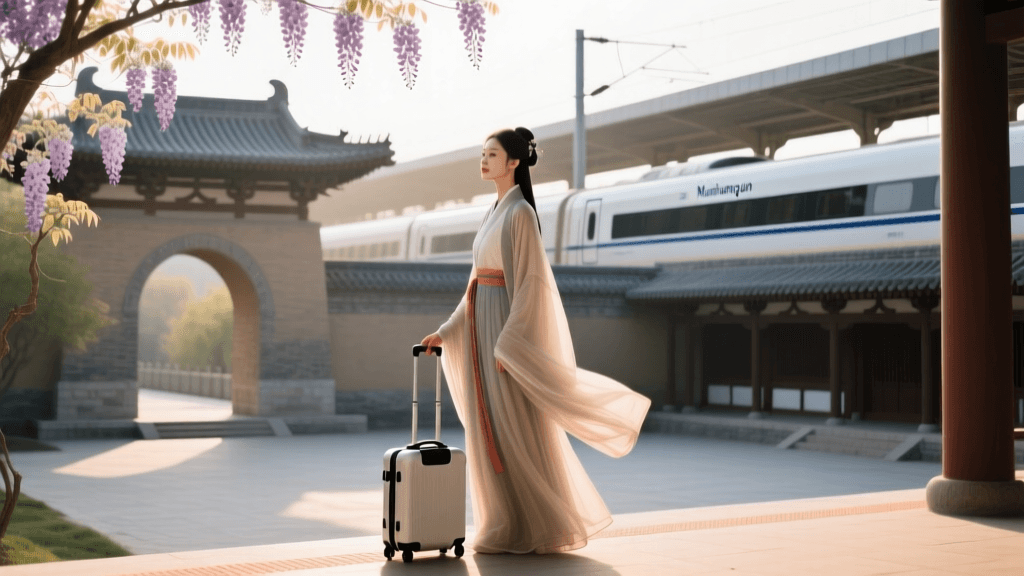
The landscape of Asian heritage tourism has evolved dramatically by 2026, with traditional Chinese clothing moving from niche hobbyist circles into the mainstream travel experience. The 'Xin Zhongshi' (new Chinese style) movement and the broader Hanfu revival have transformed historical cities into living, breathing runways. For travelers planning to explore China's ancient capitals, wearing traditional garments is no longer just a photoshoot gimmick; it is a deeply immersive way to connect with the architectural and cultural heritage of the region.
However, traveling with elaborate traditional garments presents a unique set of logistical challenges. Silk wrinkles, heavy brocades take up half a suitcase, and intricate pleats can easily be crushed in transit. This comprehensive 2026 guide focuses specifically on packing the iconic Mamianqun (horse-face skirt) and lightweight Song Dynasty sets for a high-speed rail tour through Xi'an and Luoyang. Whether you are a seasoned Hanfu enthusiast or a cultural traveler looking to pack your first traditional set, these strategies will ensure your garments arrive in pristine, camera-ready condition.
Curating a Travel-Friendly Hanfu Wardrobe
When packing for a multi-city rail tour, the key is to balance historical accuracy with modern textile convenience. The 2026 spring and summer Hanfu collections have seen a massive surge in high-performance, wrinkle-resistant fabrics that mimic the luxurious drape of traditional materials without the high-maintenance drawbacks. For travel, we highly recommend prioritizing garments made from advanced polyester-silk blends or high-density chiffon.
The Mamianqun, characterized by its flat front and back panels with intricately pleated sides, is the undisputed star of Ming Dynasty-inspired travel wardrobes. For a 2026 travel itinerary, opt for a Mamianqun woven with metallic yarn blends that resist creasing. Avoid pure, heavy silk brocades for daytime travel, as they are prone to water spotting and require professional steaming. Instead, look for 'travel-ready' Mamianqun skirts featuring heat-set pleats, a manufacturing technique that has become standard among top-tier Hanfu brands this year, ensuring the pleats bounce back even after being compressed in a luggage compartment.
For your upper garments, the Song Dynasty Beizi (a lightweight, open-front jacket) is the ultimate travel companion. Its straight silhouette and breathable fabrics make it ideal for layering over modern base layers or traditional Song-style camisoles. Pack two to three Beizi in neutral, earthy tones—such as celadon, lotus pink, or bamboo green—which can be mixed and matched with a single dark-colored Mamianqun to create multiple distinct outfits without overpacking.
The Ultimate Mamianqun Packing Method
Folding a pleated skirt incorrectly is the fastest way to ruin its silhouette. The traditional method of simply folding the skirt in half will result in permanent creases across the pleat lines. To protect your Mamianqun during a high-speed rail journey, follow this specialized rolling and interlaying technique designed specifically for structured traditional skirts.
Step 1: Pleat Alignment and Clipping
Lay the Mamianqun completely flat on a clean, large surface. Carefully align every single side pleat so that the skirt lays perfectly flat. Use soft, fabric-safe binder clips (specifically the silicone-coated ones popular in 2026 sewing kits) to secure the pleats together at the waistband and the hem. This prevents the pleats from shifting during the rolling process.
Step 2: The Acid-Free Tissue Interlay
Place a sheet of acid-free tissue paper over the flat, clipped skirt. The tissue paper acts as a buffer, reducing friction between the fabric layers and preventing the metallic threads or embroidered motifs from snagging or imprinting onto the opposite side of the skirt.
Step 3: The Core Roll Technique
Place a rigid cylindrical object, such as a clean PVC pipe or a tightly rolled yoga mat, at the top edge of the waistband. Begin rolling the skirt tightly and evenly around the core, moving downward toward the hem. Rolling, rather than folding, ensures that no hard creases are introduced into the fabric. Once fully rolled, slide the skirt into a breathable, water-resistant cotton garment bag.
Step 4: Strategic Luggage Placement
Never place your rolled Mamianqun at the bottom of your suitcase. Store it in the top compartment or in a dedicated garment cube. Upon arriving at your hotel, unroll the skirt immediately, remove the clips, and hang it from a wide, padded hanger to let gravity naturally release any minor compression lines.
2026 Destination Guide: Xi'an and Luoyang
The high-speed rail corridor connecting Xi'an and Luoyang is the golden route for Hanfu enthusiasts in 2026. The journey takes just under two hours, allowing you to experience the grandeur of the Tang Dynasty in Xi'an and the profound Buddhist and Wei-Jin heritage of Luoyang in a single, seamless trip.
Xi'an: The Tang Dynasty Spectacle
Xi'an remains the undisputed capital of Hanfu street fashion. In 2026, the Datang Everbright City pedestrian zone has expanded its immersive Tang Dynasty lighting installations, making evening photoshoots breathtakingly vivid. The best time to shoot here is during the 'blue hour' just after sunset, when the warm architectural lanterns contrast beautifully with the cool twilight sky. For a more serene, historically grounded photoshoot, head to the Tang West Market Museum area early in the morning before the tourist crowds arrive. The 2026 municipal regulations now allow small, handheld reflectors in most public heritage zones, but tripods over 60 centimeters require a pre-booked digital permit, which can be easily secured via the local tourism mini-app.
Luoyang: Wei-Jin Elegance and Grotto Grandeur
While Xi'an is loud and vibrant, Luoyang offers a more ethereal, melancholic beauty that perfectly suits the flowing, wide-sleeved garments of the Wei-Jin and Song periods. The Longmen Grottoes, a UNESCO World Heritage site, provide a monumental backdrop of ancient Buddhist carvings. When visiting the grottoes, wear lightweight, layered Hanfu in muted stone or moss-green colors to harmonize with the natural limestone and the Yi River. Note that drone photography is strictly prohibited in the immediate grottoes zone to protect the ancient carvings, so rely on a high-quality smartphone with a periscope telephoto lens for those elevated architectural shots.
For evening activities, the Luoyi Ancient City has been meticulously upgraded for 2026, featuring dedicated Hanfu dressing pavilions, professional makeup stations, and climate-controlled rest areas. It is an ideal location to rent supplementary accessories, such as intricate floral hairpins (Zanhua) and woven bamboo fans, if you chose not to pack them from home. For comprehensive local transit and accommodation tips, the Luoyang travel resources offer updated maps of Hanfu-friendly hotels that provide dedicated garment steamers and wide wardrobes in their rooms.
2026 Travel Hanfu Fabric Matrix
Choosing the right fabric is critical for a stress-free travel experience. Below is a comparative matrix of the most common Hanfu fabrics available in 2026, evaluated specifically for travel viability.
| Fabric Type | Drape Quality | Wrinkle Resistance | Weight | Best Travel Use Case |
|---|---|---|---|---|
| Polyester-Silk Blend | Excellent | High | Medium | Mamianqun skirts, outer Beizi jackets |
| Pure Mulberry Silk | Superior | Very Low | Light | Indoor banquets, controlled studio shoots |
| High-Density Chiffon | Good | Very High | Very Light | Summer Song-style tops, flowing shawls |
| Cotton-Linen Weave | Stiff | Low | Medium | Casual morning wear, temple visits |
| Jacquard Brocade | Heavy | Medium | Heavy | Winter travel, formal evening events |
Essential Travel Accessories for 2026
Beyond the garments themselves, a few modern accessories are indispensable for the 2026 Hanfu traveler. First, invest in a high-output portable garment steamer. The latest 2026 models, such as the Philips StylePod portable steamer, heat up in under 20 seconds and offer enough continuous steam to refresh a heavily embroidered Mamianqun without risking water spots. Always use distilled water in your steamer to prevent mineral buildup that could stain delicate light-colored silks.
Second, pack a set of magnetic Hanfu clips. Traditional ties and sashes can easily come undone during a long day of walking or while navigating crowded high-speed rail stations. Discreet magnetic clips, hidden beneath the outer layers of your Beizi or Ruqun, provide a secure, modern fastening solution that maintains the historical illusion while offering the practicality required for active travel.
Finally, bring a lightweight, collapsible changing tent or a large, opaque silk changing scarf. While many major tourist sites in Xi'an and Luoyang now feature dedicated Hanfu changing rooms, remote photography locations near the Mausoleum of the First Qin Emperor or lesser-known mountain temples may lack private facilities. A portable changing solution ensures you can transition from modern travel clothes into your traditional garments comfortably, regardless of your location.
Final Thoughts on Heritage Travel
Traveling with Hanfu in 2026 is a profoundly rewarding experience that bridges the gap between ancient artistry and modern exploration. By carefully selecting wrinkle-resistant fabrics, mastering the core-roll packing technique, and timing your photoshoots to align with the updated infrastructure of Xi'an and Luoyang, you can elevate your cultural journey from a simple vacation to a living participation in Asian heritage. Pack smart, respect the historical sites, and let the flowing sleeves of your Song-style Beizi catch the winds of the ancient capitals.