Modern Hanfu Fusion: Styling Mamianqun for Streetwear
The Resurgence of the Mamianqun in Modern Fashion
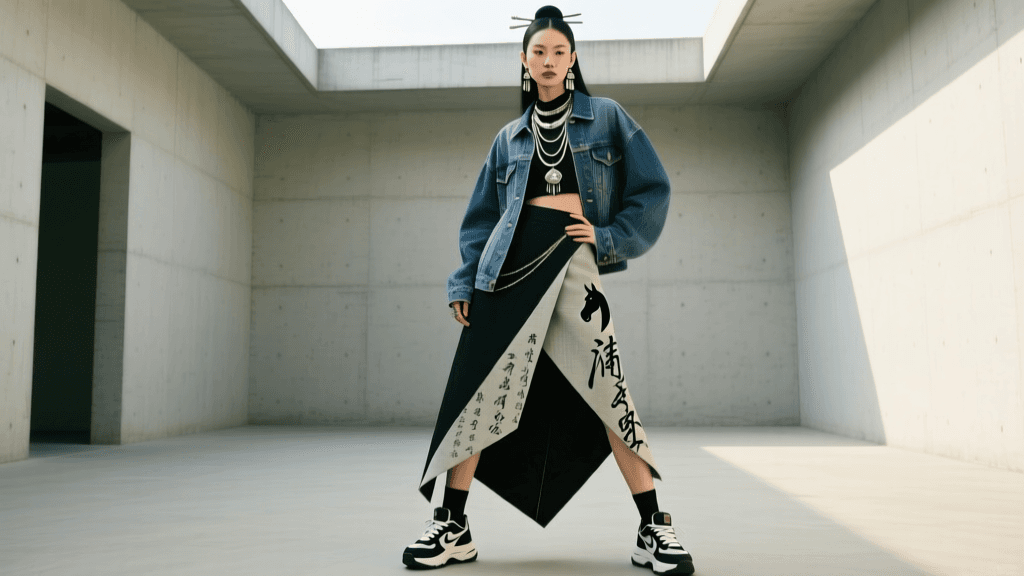
The intersection of heritage and contemporary style has birthed one of the most fascinating movements in Asian fashion: the modern Hanfu revival. While traditional Chinese clothing was once relegated to historical reenactments or ceremonial wear, today it dominates urban streetscapes from Shanghai to New York. At the forefront of this fusion fashion revolution is the Mamianqun, commonly known as the horse-face skirt. Originating in the Song Dynasty and reaching its zenith during the Ming Dynasty, this iconic garment has seamlessly transitioned into a staple of modern streetwear.
As noted in BBC Culture's coverage of the Hanfu movement, young designers and fashion enthusiasts are actively deconstructing historical garments to fit the dynamics of modern urban life. The Mamianqun, with its striking geometric pleats and flat front panels, offers a unique silhouette that pairs surprisingly well with contemporary streetwear, avant-garde minimalism, and high-fashion tailoring. This guide explores how to authentically source, accurately size, and masterfully style the Mamianqun for a modern fusion wardrobe.
Deconstructing the Mamianqun: Key Features for Fusion
To style the Mamianqun effectively, one must understand its architectural brilliance. According to the Metropolitan Museum of Art's Heilbrunn Timeline of Art History, traditional Chinese dress relies heavily on flat-pattern cutting and intricate folding rather than complex darts and seams. The Mamianqun embodies this philosophy through three distinct structural elements:
- Guangmian (Flat Panels): The skirt features four flat panels (two in the front, two in the back) that overlap. In modern streetwear, these panels act as a canvas for bold, embroidered motifs or sleek, monochromatic jacquard weaves.
- Zhe (Side Pleats): The sides of the skirt are heavily pleated, providing dynamic volume and movement. When walking, the pleats fan out, creating a striking contrast against structured modern tops.
- Yaolan (Waistband and Ties): Unlike modern skirts with zippers and buttons, the traditional Mamianqun uses a stiff cotton or linen waistband secured with long fabric ties. In fusion fashion, these ties are often left hanging as decorative elements or wrapped multiple times for a corset-like effect.
Practical Guide: Styling Mamianqun for Contemporary Streetwear
Integrating a centuries-old skirt into a modern wardrobe requires balancing proportions and contrasting textures. Here are three actionable outfit formulas for styling the Mamianqun in everyday settings.
1. The Urban Commuter (Smart Casual)
This look bridges the gap between office-appropriate attire and cultural expression. Pair a solid-colored, midi-length Mamianqun (navy, charcoal, or deep emerald) with a crisp, oversized white button-down shirt. Tuck the shirt in loosely to maintain a relaxed silhouette. Layer with a structured, slightly oversized blazer. For footwear, opt for chunky leather loafers or minimalist white sneakers. The stiff waistband of the skirt provides natural waist definition, eliminating the need for a belt.
2. The Edgy Night Out (Streetwear Fusion)
Contrast the elegance of the Mamianqun with the grit of modern streetwear. Choose a skirt with metallic thread embroidery or a dark, moody brocade. Pair it with a cropped, distressed graphic hoodie or a fitted leather moto jacket. The key to this look is footwear: chunky sneakers (like the Balenciaga Triple S or Nike Air Force 1s) or heavy combat boots (like Dr. Martens) ground the voluminous pleats and add an industrial edge. Accessorize with an industrial nylon crossbody bag worn high on the chest.
3. The Avant-Garde Minimalist (High Fashion)
For fashion-forward individuals, treat the Mamianqun as a piece of wearable sculpture. Select a floor-length, monochromatic skirt in a stiff, structured fabric like heavy crepe or raw silk. Pair it with a tailored, architectural corset top or an asymmetrical turtleneck bodysuit. Keep the color palette strictly monochrome (e.g., all black or all ivory). Finish the look with pointed-toe ankle boots and geometric metal jewelry. Let the overlapping flat panels and sharp pleats be the focal point of the ensemble.
Sizing, Measurements, and Tailoring Tips
Sizing a Mamianqun differs significantly from Western skirts due to the wrap-around construction and tie closures. Because there is no elastic or zipper, precise measurements are crucial to prevent the skirt from slipping or gaping at the flat panels.
| Measurement Point | How to Measure | Ideal Fit & Styling Advice |
|---|---|---|
| Natural Waist | Measure around the narrowest part of your torso, usually just above the belly button. | Order the skirt based on this exact measurement. The waistband should sit snugly to support the weight of the heavy pleats. |
| Hips | Measure around the fullest part of your hips and buttocks. | Ensure the skirt's total flat width (waist x 1.5 or 2) accommodates your hips to prevent the front panels from pulling apart. |
| Skirt Length | Measure from your natural waist down to your desired hemline. | For streetwear, a midi length (ending mid-calf, approx. 75-85cm) is most practical. Floor-length (95-105cm) suits avant-garde looks but requires platform shoes. |
| Waistband Width | N/A (Determined by the garment) | Look for a waistband width of 6-8 cm. Wider bands provide better back support and a more modern, corset-like silhouette. |
Tying Technique: Wrap the skirt around you, ensuring the flat front panel is centered. Cross the ties in the back, bring them to the front, and tie a secure double knot. For a modern twist, let the excess tie fabric hang down the center of the skirt as a decorative sash, or tie them into a structured bow at the side.
Cost Breakdown and Sourcing Guide
The market for Mamianqun has exploded, offering options ranging from mass-produced fast fashion to meticulously crafted indie reproductions. When sourcing online, particularly from Chinese e-commerce platforms like Taobao, utilize proxy shopping services such as Superbuy, Wegobuy, or CSSBuy to navigate international shipping.
| Brand Tier | Notable Brands / Sources | Price Range (USD) | Lead Time & Shipping |
|---|---|---|---|
| Indie Taobao (Mid-Tier) | Shisanyu, Zhongzheng, Lanshan | $45 - $90 | 10-15 days production + 10-15 days proxy shipping. |
| Premium Hanfu Studios | Minghuatang, Jiawei Hanfu | $150 - $400+ | 30-60 days (often made-to-order) + 10-15 days shipping. |
| Fast Fashion / Commercial | Urban Revivo, SHEIN (Hanfu lines) | $20 - $50 | Immediate stock, 7-14 days standard international shipping. |
| Western Boutiques | Etsy sellers, specialized Hanfu boutiques | $80 - $200 | Immediate to 2 weeks, domestic shipping rates apply. |
Pro-Tip for Sourcing: When buying from Taobao, always check the fabric composition. For daily streetwear, look for polyester-blend jacquards or cotton-linen blends. These materials hold pleats exceptionally well, resist wrinkling, and are easier to maintain than pure silk or delicate brocades, which are better reserved for special occasions.
Care and Maintenance for Modern Wear
The sharp, knife-edge pleats of the Mamianqun require specific care to maintain their architectural integrity. Modern fusion garments often use heat-set synthetic blends, which are more forgiving than historical silks.
- Washing: Avoid machine washing at all costs. The agitation will destroy the pleats. Hand wash in cold water with a mild detergent, or opt for professional dry cleaning for heavy brocades.
- Drying: Never wring the skirt. Gently press out excess water and hang it to dry in a shaded area. Use clips to hang it by the waistband so the weight of the wet fabric naturally pulls the pleats straight.
- Storage: Do not fold the Mamianqun horizontally, as this will create permanent creases across the pleats. Always hang it on a skirt hanger with wide, padded clips. If you must pack it for travel, roll it loosely from the hem to the waistband.
Conclusion
The Mamianqun is a testament to the enduring versatility of traditional Chinese clothing. By understanding its historical construction and applying modern styling principles, fashion enthusiasts can seamlessly integrate this masterpiece of Asian heritage into their daily streetwear rotation. Whether paired with a leather jacket and combat boots or a tailored blazer and loafers, the horse-face skirt proves that true style transcends centuries.