Mamianqun Skirts in 2026 Global Fashion Media: A Guide
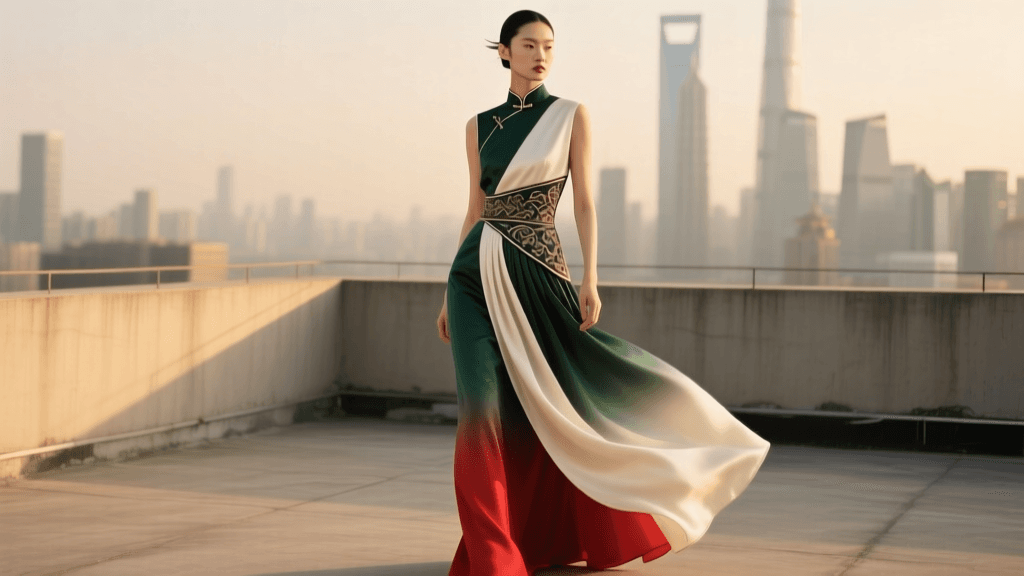
The Mamianqun Takes Over 2026 Global Editorials
In the landscape of 2026 global fashion media, few garments have commanded as much editorial space, cultural discourse, and street-style dominance as the Mamianqun, traditionally known in English as the "horse-face skirt." Once confined to historical dramas and niche heritage circles, this Ming and Qing dynasty staple has been fully integrated into the global fashion zeitgeist. Major publications, from Vogue to Highsnobiety, have dedicated entire Spring/Summer 2026 spreads to the garment, highlighting its architectural pleating, rich jacquard weaves, and seamless blend of historical gravitas with modern utility.
The Mamianqun is characterized by its unique construction: a wrap skirt featuring two overlapping front and back panels (the "skirt doors" or maqun men) flanked by deeply pleated sides. This structure allows for remarkable ease of movement while maintaining a striking, structured silhouette. As global fashion media shifts toward garments with deep historical roots and artisanal construction, the horse-face skirt has emerged as the ultimate symbol of sartorial heritage meeting contemporary design.
From Reclamation to Runway: The Media Narrative Shift
To understand the 2026 media landscape, one must recognize the cultural reclamation movement that paved the way. The early 2020s saw intense global discourse surrounding cultural appropriation when Western luxury houses attempted to replicate the Mamianqun silhouette without proper attribution. This sparked a massive, consumer-led movement to reclaim, credit, and elevate authentic Hanfu makers. By 2026, the fashion media narrative has rightfully shifted from controversy to celebration and collaboration. Top-tier fashion journalists now rigorously credit historical origins, and global luxury brands are partnering directly with heritage textile artisans in China to produce authentic, co-branded collections.
The historical foundations of this garment are deeply rooted in Chinese textile evolution. According to the Metropolitan Museum of Art's Heilbrunn Timeline of Art History, the Ming dynasty (1368–1644) was a period of immense innovation in silk weaving and garment structuring, laying the groundwork for the intricate brocades and pleating techniques seen in early Mamianqun designs. Furthermore, the Met Museum's overview of the Qing dynasty details how these skirt structures evolved, becoming heavily embroidered and standardized as essential components of women's formal and everyday wardrobes. Today's 2026 editorial stylists draw heavily on these historical archives, mixing Ming-era minimalist elegance with Qing-era ornate detailing.
2026 Editorial Styling Trends: A Breakdown
Global fashion editors have categorized the 2026 Mamianqun trends into three distinct stylistic movements. Below is a breakdown of how the garment is being framed in current media:
| 2026 Editorial Trend | Defining Features | Key Media Publications | Recommended Fabric |
|---|---|---|---|
| Quiet Luxury Ming | Muted tones, subtle damask weaves, minimalist styling, focus on drape and tailoring rather than loud patterns. | Vogue, The Business of Fashion | 100% Mulberry Silk Damask, Matte Crepe |
| Cyber-Hanfu Techwear | Reflective threads, cargo-style hardware, asymmetrical hemlines, paired with tactical vests and combat boots. | Highsnobiety, Hypebeast | Technical Nylon, Metallic Jacquard |
| Avant-Garde Deconstruction | Exposed pleating structures, mixed-media panels, raw edges, styled with oversized sculptural blazers. | Harper's Bazaar, Dazed | Raw Silk, Heavyweight Linen Blends |
Mastering the Wrap: Sizing and Mechanics
One of the most common pitfalls for international consumers discovering the Mamianqun through 2026 fashion media is misunderstanding the sizing and mechanics. Unlike Western zippered skirts that are sized by the hip, the Mamianqun is a wrap skirt secured entirely at the waist.
The Golden Rule of Mamianqun Sizing
- Measure the Waist, Not the Hips: The skirt sits at the natural waist or slightly above the navel. The hip measurement is largely irrelevant because the pleats expand to accommodate the lower body.
- The Overlap Calculation: A properly fitted Mamianqun requires the two front "skirt doors" to overlap by at least 15 to 20 centimeters (6 to 8 inches) when wrapped. If the overlap is too small, the skirt will pull open when walking, exposing the legs and breaking the structural integrity of the pleats.
- Skirt Length: For 2026 street style, the media-favored length is the "midi-maxi" hybrid—typically falling right at the mid-calf or ankle bone (approx. 95cm to 105cm for an average height of 165cm). This prevents the heavy pleats from dragging on the ground while maintaining the dramatic sweep.
Tying the Skirt
Modern 2026 iterations often feature hidden snap buttons or velcro strips on the inner waistband to assist with the wrap, a welcomed update from the traditional tie-only method. However, for purists, the traditional tying method involves wrapping the left side over the right, securing the cotton ties tightly at the side seams, and tucking the excess fabric into the waistband to create a smooth, flat front panel.
Actionable Styling Guide for 2026
Translating high-fashion editorial concepts into everyday wearable outfits requires an understanding of proportion and texture. The Mamianqun is inherently voluminous due to its knife pleats, meaning the upper body must be styled to create balance.
1. The Cropped Jacket Technique
Because the skirt sits high on the waist, pairing it with a cropped jacket (ending exactly at the waistband) elongates the legs and highlights the intricate "skirt door" embroidery. In 2026, cropped leather moto jackets and tailored wool boleros are the top choices featured in global street-style photography.
2. The Structured Blazer Tuck
For a corporate or "Quiet Luxury" aesthetic, fashion editors recommend a fitted, structured blazer worn over a thin silk camisole, with the blazer either cropped or tied at the waist. Avoid oversized, slouchy blazers that drape over the hips, as this hides the skirt's wrap structure and adds unnecessary bulk to the silhouette.
3. Footwear Pairings
The footwear choice dramatically alters the skirt's vibe. While traditional cloud-head shoes (yunxie) are reserved for full Hanfu ensembles, 2026 global media heavily favors:
- Chunky Loafers: Adds a preppy, academic edge that grounds the ornate silk of the skirt.
- Pointed-Toe Ankle Boots: Extends the leg line and adds a sharp, modern contrast to the flowing pleats.
- Minimalist Sneakers: Clean, low-profile white leather sneakers are the go-to for daytime, casual editorial looks.
Where to Shop: Brands Dominating the 2026 Media Circuit
If you are looking to purchase a Mamianqun that meets the quality standards seen in current fashion editorials, it is essential to buy from authentic heritage brands rather than fast-fashion knockoffs. Here are the top brands currently featured in global fashion media for 2026:
Ming Hua Tang (明华堂)
Widely considered the pinnacle of historical accuracy and luxury, Ming Hua Tang is the brand most frequently cited in high-end fashion journalism. Their skirts feature museum-grade jacquard weaving, real gold and silver threadwork, and meticulous pleat heat-setting.
2026 Price Range: $450 – $1,200+ USD.
Best For: Archival collectors, brides, and haute couture enthusiasts.
Shisan Yu (十三余)
Shisan Yu bridges the gap between historical inspiration and modern pop-culture appeal. Frequently collaborating with global media franchises and modern artists, their 2026 collections feature lighter, machine-washable polyester-silk blends that cater to everyday street style.
2026 Price Range: $80 – $180 USD.
Best For: Beginners, daily wear, and vibrant, thematic designs.
Zhong Ling (织造司)
Specializing in the "Cyber-Hanfu" and avant-garde aesthetics, Zhong Ling experiments with metallic yarns, asymmetrical cuts, and tech-wear hardware. They are the darling of alternative fashion magazines and street-style photographers.
2026 Price Range: $120 – $300 USD.
Best For: Fashion-forward risk-takers and editorial styling.
Final Thoughts on Cultural Credit in Fashion
The Mamianqun's journey through global fashion media is a masterclass in how cultural heritage can be respected, elevated, and integrated into the modern wardrobe. As we navigate the 2026 fashion landscape, the horse-face skirt stands as a testament to the enduring power of traditional Asian garments. By understanding its mechanics, respecting its origins, and styling it with contemporary intention, wearers can participate in a global sartorial dialogue that honors the past while boldly dressing the future.