Sustainable Kimono Production: Ethical Silk and Natural Dyes
The Environmental Impact of Traditional Kimono Production
The kimono is a masterpiece of Japanese heritage, representing centuries of textile artistry, cultural symbolism, and meticulous craftsmanship. However, as global awareness of the fashion industry's environmental footprint grows, the traditional garment sector is undergoing a vital transformation. Sustainable kimono production is no longer a niche concept; it is a necessary evolution to preserve both the planet and the artisanal techniques of Japan. From the revival of botanical dyes to the adoption of peace silk, eco-conscious consumers and ethical brands are redefining how traditional Japanese clothing is made, worn, and preserved.
The Hidden Environmental Cost of Conventional Kimonos
To understand the importance of sustainable kimono production, one must first examine the environmental toll of conventional methods. Traditional silk sericulture involves boiling silkworm cocoons to harvest continuous, unbroken threads. While this produces the lustrous, high-quality silk prized for formal garments, it is inherently lethal to the silkworm and highly resource-intensive. Furthermore, conventional Yuzen dyeing—a resist-dyeing technique used to paint intricate patterns on silk—historically relied on heavy metals for color fixation and required massive quantities of river water to wash away excess dyes, leading to severe chemical runoff.
According to historical textile analyses documented by The Metropolitan Museum of Art, the construction and dyeing of a single formal kimono can involve dozens of specialized artisans and immense natural resources. Today, modern eco-initiatives are pushing back against these wasteful practices, advocating for closed-loop water systems and non-toxic mordants to protect Japan's delicate river ecosystems.
Ethical Silk: The Rise of Ahimsa and Peace Silk
At the forefront of the ethical kimono movement is the adoption of Peace Silk, also known as Ahimsa silk. Unlike conventional mulberry silk, peace silk (such as Eri or Tussar silk) is harvested only after the moth has naturally emerged from the cocoon. This results in a slightly more textured, matte finish with a rustic elegance that appeals to modern, eco-conscious buyers.
Eri silk, often referred to as the silk of the people in Japan, is highly sustainable. The silkworms feed on castor plants, which require minimal water and no pesticides. While a conventional formal silk kimono (homongi) might cost between ¥150,000 and ¥500,000, a bespoke peace silk kimono crafted by ethical artisans typically starts around ¥250,000 and can exceed ¥800,000 due to the labor-intensive spinning of shorter, broken silk fibers. However, for everyday wear, sustainable brands are increasingly offering organic hemp and cotton yukata (summer kimonos) ranging from ¥40,000 to ¥90,000, providing an accessible entry point into ethical Japanese fashion.
Botanical Dyes and the Revival of Kusaki-zome
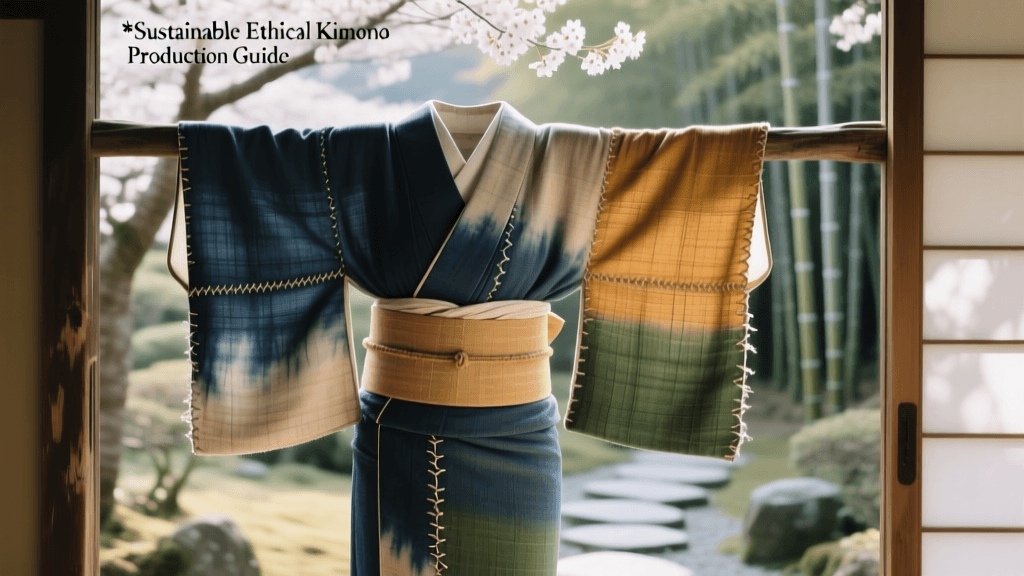
Parallel to ethical silk is the renaissance of Kusaki-zome, or natural plant dyeing. Synthetic dyes, introduced in the late 19th century, offered vibrant, colorfast alternatives but at a severe ecological cost. Today, master dyers are returning to indigenous botanicals: Ai (Japanese indigo) for deep blues, Akane (madder root) for rich reds, and Kariyasu grass for brilliant yellows.
Natural dyeing requires a deep understanding of mordants—substances used to set the dye. Ethical producers use bio-mordants like alum or iron-rich mud rather than toxic heavy metals like chrome or tin. The resulting colors possess a living, breathing quality that shifts subtly in different lighting, a characteristic highly prized by collectors and highlighted in modern exhibitions like the Victoria and Albert Museum exploration of the kimono global and ecological evolution.
Material Impact: Conventional vs. Sustainable Kimonos
| Material & Process | Water Impact | Chemical Runoff | Ethical Silkworm Impact | Average Cost (JPY) |
|---|---|---|---|---|
| Conventional Silk & Synthetic Yuzen | Extremely High | Heavy Metals & Toxins | Lethal (Boiled in cocoon) | ¥150,000 - ¥500,000 |
| Peace Silk (Eri) & Botanical Dyes | Moderate | Zero (Biodegradable) | Zero (Moth emerges naturally) | ¥250,000 - ¥800,000 |
| Organic Hemp/Cotton (Yukata) | Low | Zero | N/A (Plant-based) | ¥40,000 - ¥90,000 |
| Upcycled Vintage Silk | Negligible | Negligible | N/A (Existing material) | ¥10,000 - ¥50,000 |
A Buyer Guide to Eco-Friendly Kimonos
For the modern consumer, navigating the market for sustainable traditional Japanese clothing requires a blend of cultural knowledge and conscious shopping habits. Here is how you can build an ethical kimono wardrobe:
1. Embrace the Vintage and Upcycled Market
The most sustainable kimono is one that already exists. Japan has a robust second-hand market and antique markets like Tokyo Oedo Antique Market. Buying vintage extends the lifecycle of exquisite textiles and reduces demand for new resource extraction.
- Measurement Guide: Vintage kimonos are typically tailored to specific individuals. The two most critical measurements are Mitake (back length from the nape of the neck to the hem) and Yuki (sleeve span from the center back to the wrist). A standard vintage Yuki is 62-65cm. If you are taller, look for modern ethical brands that offer bespoke sizing.
- Upcycling: Damaged vintage silk can be upcycled into haori (jackets), tote bags, or modern wrap dresses, honoring the Japanese philosophy of Mottainai (a sense of regret concerning waste).
2. Support Transparent Artisan Cooperatives
Ethical production also means ethical labor. The artisan population in traditional weaving hubs like Nishijin (Kyoto) and Ojiya (Niigata) is aging rapidly. Organizations like Fashion Revolution Japan advocate for supply chain transparency, ensuring that the weavers and dyers receive fair compensation. When buying new, seek out brands that explicitly name their artisan cooperatives and guarantee fair wages, rather than mass-produced garments manufactured in opaque overseas supply chains.
3. Look for Eco-Certifications
When purchasing cotton yukata or undergarments (juban), look for GOTS (Global Organic Textile Standard) certification. For silk, inquire if the retailer uses OEKO-TEX certified dyes, which guarantees the fabric is free from harmful levels of toxic substances.
Caring for Naturally Dyed and Ethical Silk
Sustainable garments require sustainable maintenance. Naturally dyed kimonos (Kusaki-zome) are highly sensitive to UV light and alkaline substances.
- Washing: Avoid traditional dry cleaning that uses perchloroethylene (perc), a toxic solvent. Instead, seek out eco-friendly cleaners that use liquid silicone or wet-cleaning technologies. For washable cotton or hemp yukatas, use a pH-neutral, biodegradable detergent.
- Drying and Storage: Never dry natural dyes in direct sunlight, as UV rays will rapidly degrade botanical pigments. Air dry in a shaded, well-ventilated area. Store your silk garments in breathable cotton covers (tatou) with natural camphor or hinoki wood blocks to deter moths without relying on chemical mothballs.
- Traditional Arai-hari: For high-end ethical silk, consider the traditional arai-hari service, where the kimono is carefully unstitched, washed as flat fabric bolts using natural soaps, and then re-stretched and sewn by hand. This extends the garment life by decades.
The true beauty of the kimono lies not just in its visual splendor, but in its harmony with nature. By returning to botanical dyes and ethical silk, we are not merely preserving a craft; we are ensuring that the garment respects the earth from which it was born.
Conclusion
The transition toward sustainable kimono production is a testament to the adaptability of Japanese traditions. By choosing peace silk, supporting natural dye artisans, and embracing the vibrant vintage market, consumers can wear these magnificent garments with a clear conscience. As the intersection of heritage and eco-consciousness continues to grow, the kimono remains a powerful symbol of elegance, resilience, and respect for the natural world.