Modern Washable Silk Kimono & Hakama Styling 2026
The 2026 Textile Revolution: Washable Silk and Eco-Fibers
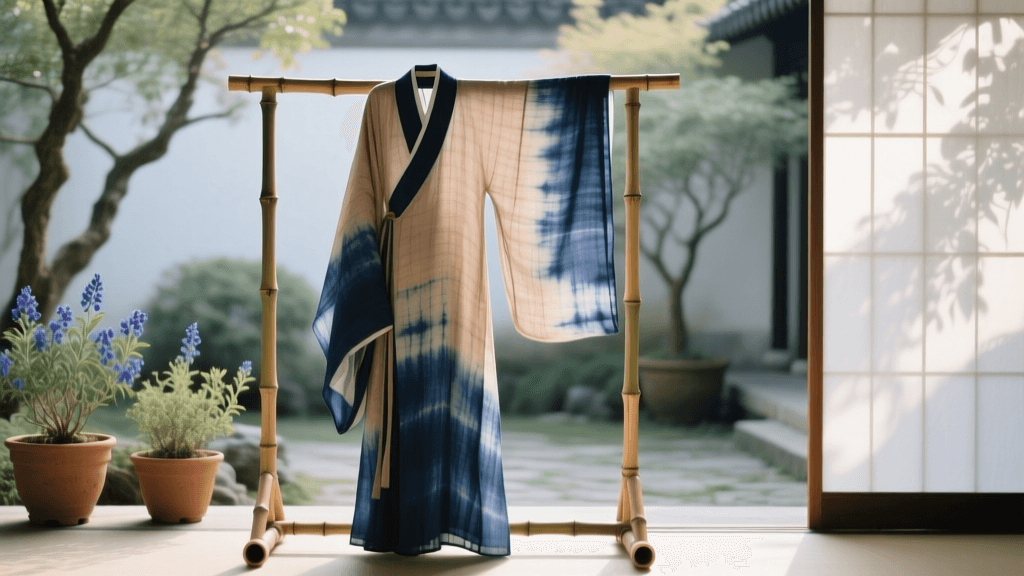
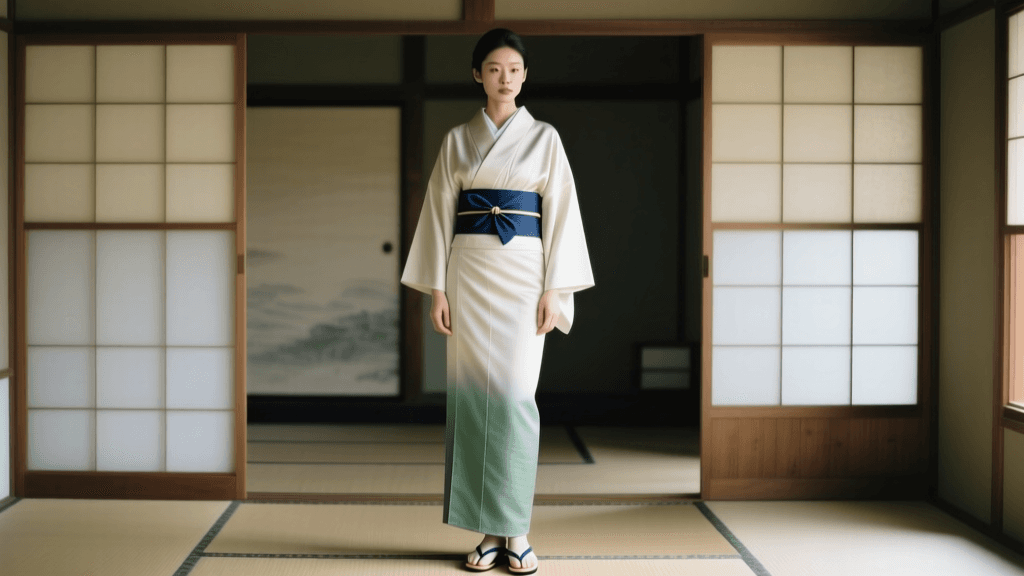
Japanese fashion in 2026 represents a breathtaking synthesis of Edo-period elegance and 21st-century technological innovation. For decades, the primary barrier to wearing traditional garments like the kimono and hakama was the prohibitive cost and difficulty of maintenance. Traditional silk (shoken) requires specialized dry cleaning and careful climate-controlled storage. However, the landscape of 2026 has been entirely transformed by the mass adoption of washable silks (arau shoken) and high-tenacity recycled polyesters that perfectly mimic the drape, breathability, and texture of chirimen (crepe silk).
According to the Agency for Cultural Affairs, Government of Japan, contemporary efforts to preserve traditional garment-making have increasingly focused on making these cultural assets accessible to younger demographics and international enthusiasts. Washable silk undergoes a specialized degumming and eco-resin coating process that allows the protein fibers to withstand gentle machine washing without losing their structural integrity or luster. This innovation has drastically reduced the lifetime maintenance cost of a kimono, shifting it from a fragile heirloom to a practical, sustainable wardrobe staple for formal and semi-formal events.
Choosing the Right Formal Kimono: A 2026 Comparison Chart
When styling traditional Japanese garments for contemporary formal events, understanding the hierarchy of formality is crucial. In 2026, the lines between strict traditional rules and modern styling have softened slightly, but the foundational garment types remain the same. Below is a comprehensive guide to selecting the appropriate kimono for your event.
| Kimono Type | Formality Level | 2026 Styling Context | Average Price Range (USD) |
|---|---|---|---|
| Komon | Casual / Semi-Formal | Repeating patterns; ideal for theater outings, casual dinners, and daytime cultural workshops. | $300 - $600 |
| Tsukesage | Semi-Formal | Patterns concentrated on the hem and sleeves; perfect for daytime weddings, graduation ceremonies, and upscale tea ceremonies. | $800 - $1,500 |
| Homongi | Formal | Continuous "eba" patterns that flow across seams; the standard for evening galas, formal receptions, and high-profile cultural events. | $1,500 - $3,500 |
| Kurotomesode | Ultra-Formal | Black silk with patterns only below the waist and 5 family crests; strictly reserved for married women attending close relatives' weddings. | $2,500 - $5,000+ |
In 2026, many buyers are opting for custom-dyed washable silk Homongi and Tsukesage pieces, which offer the prestige of formal wear with the convenience of modern care. Institutions like the Kyoto Museum of Traditional Crafts continue to educate the public on identifying authentic Yuzen dyeing techniques, even when applied to modern, washable textile bases.
The Modern Hakama: Elegance and Mobility
The hakama, traditionally associated with martial arts, university graduation ceremonies, and Shinto priests, has seen a massive resurgence in 2026 as a staple for semi-formal and formal evening wear. The wide, pleated trousers offer unparalleled mobility and a striking, commanding silhouette that appeals to all genders.
Andon Bakama vs. Umanori Bakama
For formal events, women typically wear the andon bakama (an undivided, skirt-like hakama), which provides a graceful, flowing drape that pairs beautifully with a Tsukesage or Komon kimono. Men, and increasingly women in avant-garde formal styling, opt for the umanori bakama (divided trousers), which offers a sharper, more structured look. In 2026, hakama crafted from matte-finish recycled PET fibers are highly sought after for their resistance to wrinkling and their ability to hold crisp pleats even after hours of sitting.
When styling a hakama for a formal evening event, the obi is hidden beneath the hakama's waistband (koshiita). Therefore, the visual focus shifts entirely to the kimono's upper pattern, the hakama's color, and the footwear. Deep burgundy, charcoal, and midnight blue hakama are the dominant formal colors this year, replacing the traditional bright crimson often reserved strictly for graduation ceremonies.
Contemporary Footwear: Ergonomic Zori and Stretch Tabi
No kimono or hakama ensemble is complete without proper footwear. In 2026, the traditional zori (formal sandals) and tabi (split-toe socks) have been re-engineered for modern comfort without sacrificing their traditional aesthetic.
- Ergonomic Zori: Modern formal zori now feature high-density EVA foam cores wrapped in traditional brocade or vegan leather. A heel height of 12cm to 15cm is standard for women's formal wear, providing an elegant posture boost while absorbing the shock of walking on hard urban surfaces. The hanao (straps) are now frequently lined with microfiber to prevent blisters during long events.
- Stretch Tabi: Traditional cotton tabi require metal fasteners (kohaze) which can be difficult to secure. The 2026 standard for formal wear is the stretch-knit tabi, which slides on like a sock but maintains the stiff, structured appearance around the ankle required for formal kimono styling. They are available in pristine white for ultra-formal events and subtle metallic threads for evening galas.
Mastering the Otaiko Musubi: A Step-by-Step Guide
The Otaiko Musubi (drum knot) is the quintessential semi-formal and formal obi knot for married women and older professionals. It creates a smooth, box-like shape at the back that exudes refined elegance. Here is how to tie it using a modern, slightly stiffer washable silk fukuro obi:
- Prepare the Obi: Fold the obi in half lengthwise. Wrap it around your waist twice, ensuring the bottom edge sits firmly against the top of your hips. The patterned end (tesaki) should be left at the front, while the longer end (tare) continues around.
- Cross and Tie: Bring the tesaki and tare together at the front. Cross the tesaki over the tare and pull it up tightly from underneath to secure the base knot. Tuck the tesaki temporarily into the front of the obi.
- Form the Drum: Take the long tare end and fold it up to create the "drum" shape. The width of the fold should match the width of your obi-ita (front stiffener). Use an obi-makura (obi pillow) inside the fold to give it volume and structure.
- Secure the Knot: Wrap the obi-jime (decorative cord) tightly around the center of the drum to hold it in place. Tuck the excess tare fabric neatly behind the knot, ensuring the bottom edge of the drum is perfectly horizontal.
- Final Adjustment: Rotate the entire obi to the back. Adjust the obi-age (silk scarf) so that just a sliver of color shows above the obi, which is the hallmark of sophisticated 2026 formal styling.
Preservation and Care for Modern Garments
While washable silks and eco-fibers are revolutionary, they still require mindful care to ensure longevity. When washing a 2026 washable silk kimono, always use a specialized pH-neutral detergent designed for protein fibers. Set your washing machine to a delicate or hand-wash cycle with cold water (below 20°C). Never use a tumble dryer; instead, roll the garment in a clean microfiber towel to absorb excess moisture, then hang it on a wide, padded hanger in a shaded, well-ventilated area.
For the hakama, the primary concern is maintaining the sharpness of the pleats. After washing, while the fabric is still slightly damp, use specialized hakama clips to secure the pleats along the hem and waistband before air drying. This eliminates the need for high-heat ironing, which can damage the eco-resin coatings on modern sustainable fibers.
Global Appreciation and Sourcing
The global appetite for authentic yet adaptable Japanese fashion continues to grow. Global cultural hubs such as Japan House London have frequently highlighted the intersection of sustainability and traditional craftsmanship, bringing international attention to Kyoto and Tokyo-based textile innovators. For those looking to source these garments, the Nishijin district in Kyoto remains the premier destination for high-end, custom-woven washable silk obi, while Tokyo's Asakusa district offers an abundance of boutique rental shops that specialize in 2026's modern, ergonomic formal wear sets. Whether purchasing a lifelong piece or renting for a single evening, the modern kimono and hakama offer an unparalleled blend of cultural heritage and contemporary practicality.