Eco-Friendly Chinese Plant Dyes for Sustainable Hanfu 2026
The 2026 Renaissance of Chinese Botanical Dyes
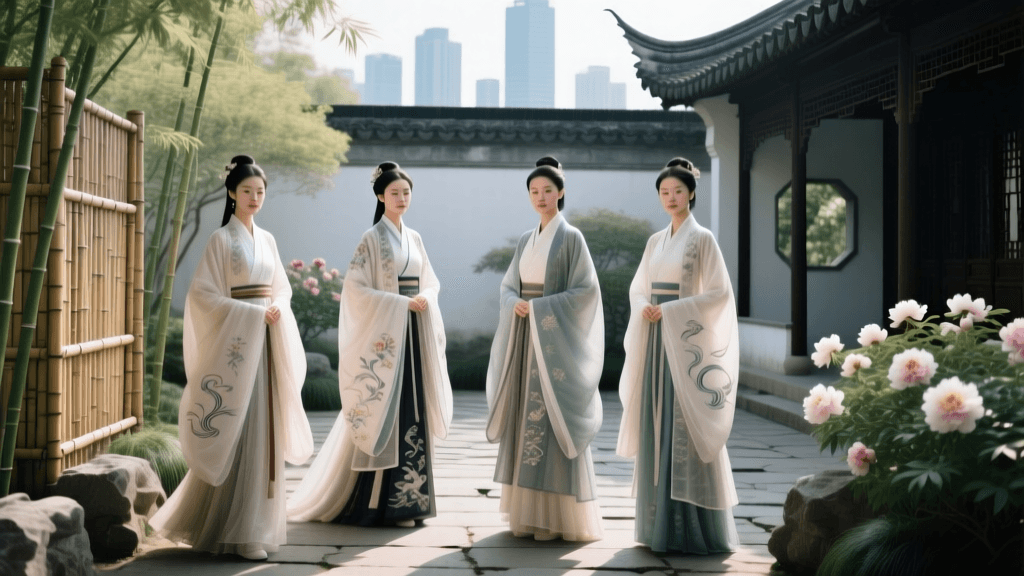
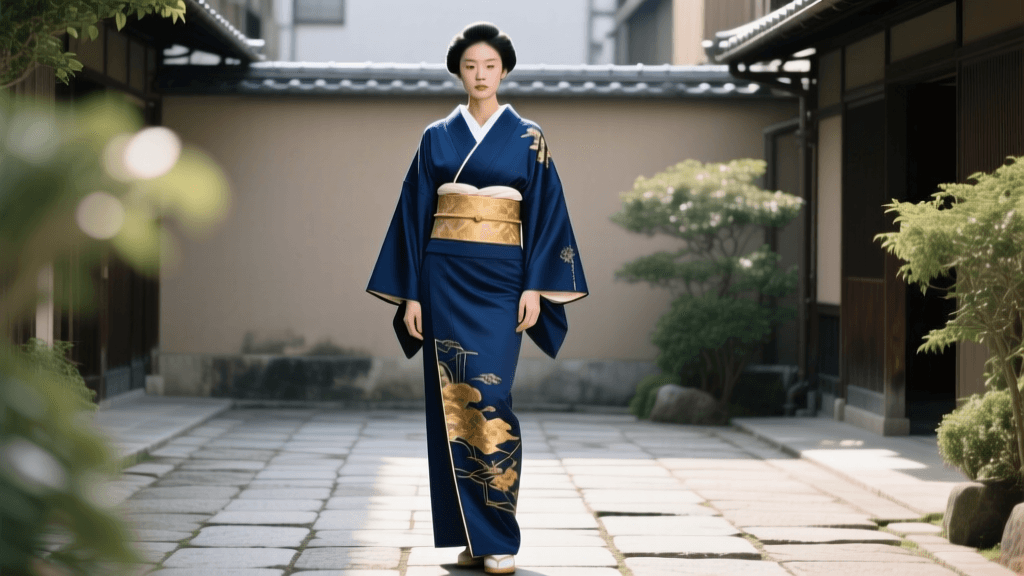
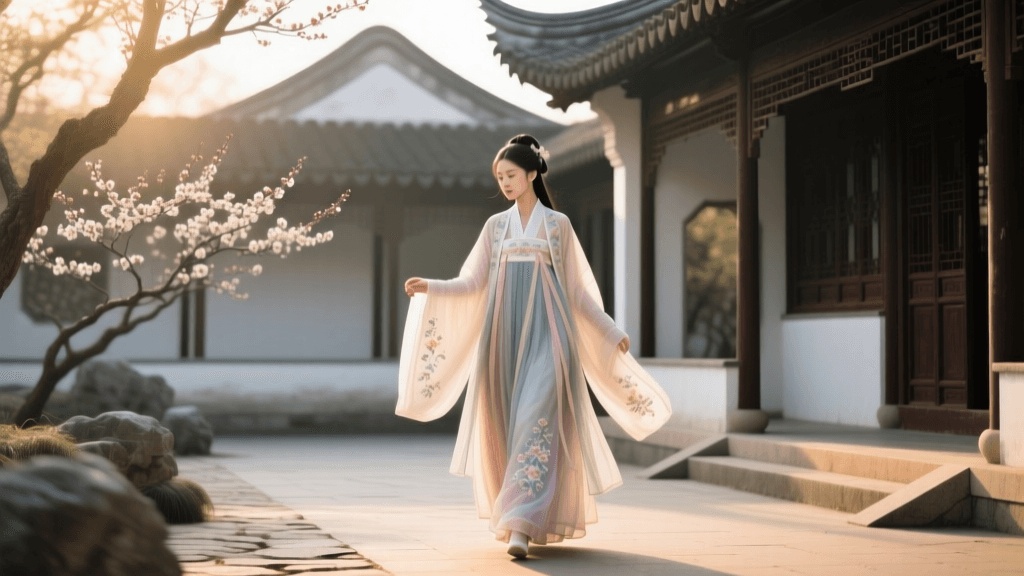
The global fashion industry is undergoing a radical transformation as we navigate through 2026, with a massive pivot toward circularity and regenerative practices. At the forefront of this movement within Asian traditions is the resurgence of the Hanfu, coupled with a strict return to ancient, eco-friendly dyeing methodologies. Modern artisans and sustainable fashion houses are increasingly abandoning synthetic, petroleum-based azo dyes in favor of traditional Chinese botanical dyes. This revival is not merely an aesthetic choice; it is a vital ecological imperative. By utilizing indigenous plant matter, designers are significantly reducing water pollution and microplastic shedding, aligning traditional garment creation with the rigorous environmental standards of 2026.
The push for circular fashion aligns seamlessly with the UN Environment Programme's sustainable fashion initiatives, which heavily advocate for the elimination of toxic chemical runoff in textile manufacturing. Chinese natural dyeing, or cao mu ran (grass and wood dyeing), offers a biodegradable, non-toxic alternative that enriches the soil rather than depleting it. From the terraced mountains of Yunnan to the urban eco-studios of Shanghai, the integration of heritage dye plants into modern Hanfu production represents a perfect synthesis of ancestral wisdom and contemporary environmental stewardship.
Four Essential Chinese Dye Plants for 2026
To truly understand the sustainable potential of Asian textile traditions, one must examine the specific botanical agents that have colored Chinese garments for millennia. In 2026, these four plants remain the cornerstone of eco-friendly Hanfu dyeing.
1. Persicaria tinctoria (Liao Lan / Chinese Indigo)
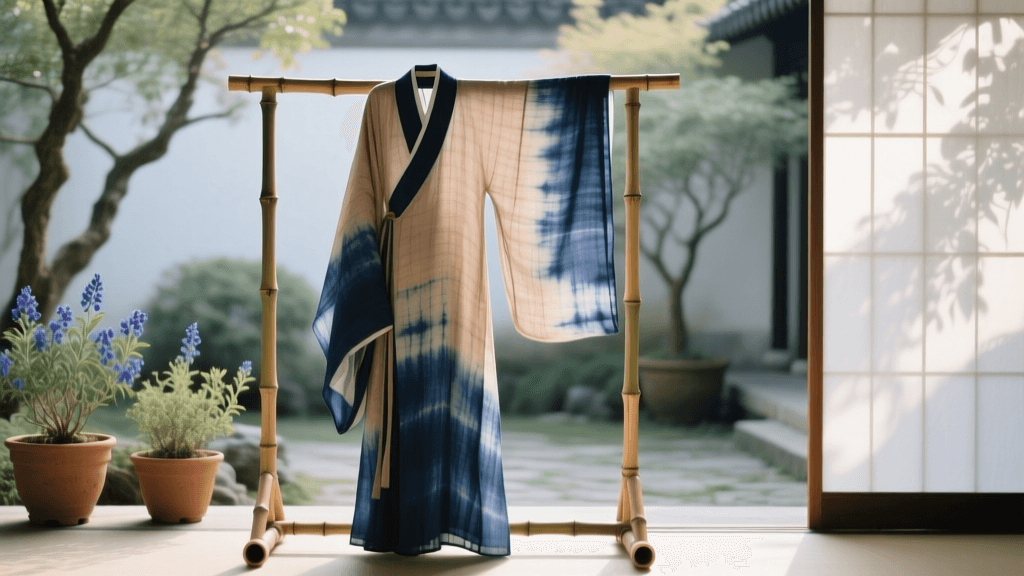
Before the widespread importation of tropical Indigofera, ancient China relied heavily on Persicaria tinctoria, commonly known as Liao Lan or Chinese knotweed indigo. Unlike its tropical counterpart, Liao Lan thrives in temperate climates and is traditionally processed using a cold-water fermentation method. In 2026, artisanal collectives in Guizhou and Yunnan provinces have modernized this process by utilizing solar-assisted temperature-controlled fermentation vats. This drastically reduces the carbon footprint associated with heating dye baths. The resulting color is a profound, living blue that continues to oxidize and deepen over time, offering a breathable, skin-safe pigment that is highly prized in contemporary summer Hanfu garments like the Banbi and Ruqun.
2. Sophora japonica (Huai Hua / Pagoda Tree)
The unopened flower buds of the Pagoda tree, known as Huai Hua, are a cornerstone of traditional Chinese yellow dyes. Rich in the flavonoid rutin, these buds yield a spectrum of brilliant, sunlit yellows and vibrant chartreuse greens depending on the mordant used. In the modern 2026 eco-textile market, Huai Hua is celebrated for its high exhaustion rate, meaning nearly all the pigment in the dye bath is absorbed by the silk or hemp fibers, leaving almost zero toxic residue in the wastewater. Artisans harvest the buds in late summer, drying them naturally under the sun before storing them in climate-controlled, low-humidity environments to preserve their potent coloring properties.
3. Rubia cordifolia (Qian Cao / Chinese Madder)
Chinese Madder, or Qian Cao, is the premier source of natural reds, terracottas, and deep crimsons in traditional Hanfu dyeing. The roots of the plant contain purpurin and alizarin, which bind beautifully to protein fibers like silk and wool. Historically reserved for ceremonial garments and aristocratic dress, Qian Cao is now being cultivated by regenerative farming cooperatives in 2026. These cooperatives practice crop rotation and companion planting, ensuring that the soil microbiome is enhanced rather than exhausted. The extraction process requires careful temperature management—simmering at exactly 140°F (60°C) to extract the red purpurin without releasing the brownish-yellow pigments that emerge at higher boiling points.
4. Phellodendron amurense (Huang Bo / Amur Cork Tree)
Huang Bo is a fascinating dye plant that yields a striking, almost fluorescent yellow. The inner bark of the Amur Cork Tree contains berberine, an alkaloid that not only provides exceptional color but also boasts natural antimicrobial and insect-repellent properties. In ancient times, Huang Bo was used to dye Buddhist monastic robes and to preserve important paper manuscripts from silverfish damage. Today, in 2026, sustainable activewear and travel-friendly Hanfu brands are incorporating Huang Bo dye to create naturally odor-resistant, hygienic garments without relying on synthetic silver-ion or chemical antimicrobial finishes.
Comparative Data Table: 2026 Botanical Dye Profiles
For textile artists and sustainable fashion designers, understanding the technical specifications of these plants is crucial for achieving consistent, colorfast results. Below is a comprehensive comparison of the four primary Chinese dye plants utilized in modern eco-friendly studios.
| Botanical Name | Chinese Name | Primary Color Yield | Preferred Eco-Mordant | Lightfastness (1-5) | Optimal Extraction Temp |
|---|---|---|---|---|---|
| Persicaria tinctoria | Liao Lan | Deep Indigo Blue | None (Vat Dye / Alkaline) | 5 (Excellent) | 68°F - 86°F (Cold Vat) |
| Sophora japonica | Huai Hua | Bright Yellow / Green | Alum (Potassium Aluminum Sulfate) | 4 (Very Good) | 180°F (82°C) |
| Rubia cordifolia | Qian Cao | Terracotta / Crimson | Alum + Cream of Tartar | 4 (Very Good) | 140°F (60°C) |
| Phellodendron amurense | Huang Bo | Fluorescent Yellow | None (Substantive Dye) or Soy Milk | 3 (Good) | 160°F (71°C) |
Step-by-Step Eco-Friendly Dyeing Protocol
Achieving professional, colorfast results with natural Chinese dyes requires precision and an understanding of fiber chemistry. The following protocol is the standard for 2026 eco-studios working with delicate silk Hanfu fabrics.
Phase 1: Scouring and Preparation
Natural fibers, particularly silk and hemp, contain natural gums, waxes, and oils that repel water-based dyes. Scouring is the essential first step. For silk Hanfu fabrics, artisans use a mild, pH-neutral bio-enzyme detergent or a traditional fermented rice water bath. The fabric is submerged in water heated to 110°F (43°C) for 45 minutes. This gentle temperature ensures the delicate protein structure of the silk is not damaged, while effectively opening the fiber cuticles to receive the botanical pigments.
Phase 2: Eco-Mordanting
Most Chinese plant dyes (with the exception of indigo and Huang Bo) are adjective dyes, meaning they require a mordant to bind the pigment to the fiber. In 2026, the industry has largely moved away from heavy metal mordants like chrome and copper due to their environmental toxicity. Instead, studios utilize Potassium Aluminum Sulfate (Alum) at a ratio of 15% Weight of Fiber (WOF), combined with 5% WOF Cream of Tartar to buffer the acidity. The mordant bath is maintained at 180°F (82°C) for one hour. Afterward, the fabric is gently pressed and allowed to rest in a damp state for 24 hours, a process known as "curing," which significantly improves colorfastness.
Phase 3: Extraction and Dyeing
The extraction of color requires patience. For Huai Hua (Pagoda Tree buds), the dried plant matter is placed in a stainless steel or enamel pot with soft, filtered water at a ratio of 1:20 (plant weight to water volume). The mixture is slowly brought to a simmer at 180°F (82°C) and held there for 60 minutes. The liquid is then strained through a fine mesh filter. The pre-mordanted, damp silk is introduced to the dye bath, and the temperature is carefully maintained. Gentle, continuous agitation using wooden tongs ensures an even distribution of color. Once the desired shade is achieved, the fabric is removed, cooled gradually, and rinsed in cold water with a splash of white vinegar to set the final pH and enhance the luster of the silk.
Sustainability and the Future of Asian Textiles
The environmental impact of switching to Chinese botanical dyes is profound. According to historical textile conservation records detailed by the Metropolitan Museum of Art, natural dyes have been used for millennia not just for their beauty, but for their harmonious relationship with the natural world. Today, this harmony is measurable. A 2026 lifecycle assessment of a mid-sized Hanfu production facility in Hangzhou revealed that transitioning from synthetic reactive dyes to botanical dyes like Qian Cao and Huai Hua reduced their freshwater consumption by 42% and eliminated 100% of their hazardous chemical effluent.
Furthermore, the botanical waste left over from the extraction process is not discarded. In modern eco-studios, the spent madder roots and pagoda buds are composted and returned to the agricultural cooperatives that grew them, completing a perfect biological loop. For those interested in the deeper chemical and historical mechanics of these processes, resources like Encyclopedia Britannica's comprehensive guide on dyeing highlight the complex molecular bonds that make these ancient techniques so remarkably durable.
As we look toward the future of Asian traditions, the integration of Chinese natural dye plants into contemporary fashion is more than a passing trend. It is a vital preservation of cultural heritage and a bold step toward a regenerative, sustainable global textile industry. Whether you are a DIY artisan dyeing your first silk Mamianqun or a large-scale designer sourcing eco-friendly textiles, embracing the botanical palette of China offers a vibrant, responsible path forward for 2026 and beyond.