Top Chinese Hanfu Fashion Blogs & Creators to Follow in 2026
The Renaissance of Chinese Fashion Journalism in 2026
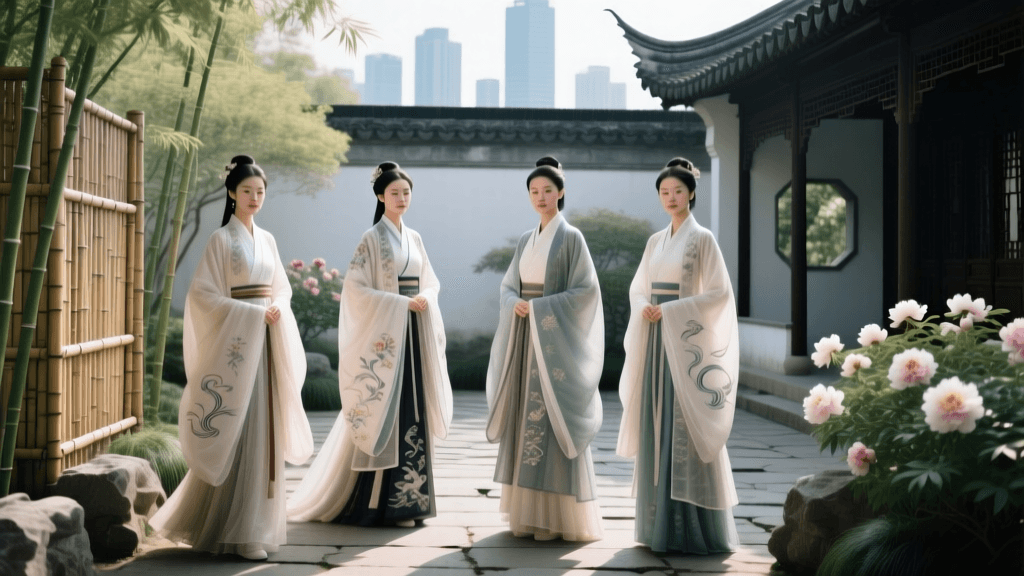
The year 2026 marks a watershed moment in the global appreciation of Asian traditional garments. No longer confined to museum archives or niche historical societies, traditional Chinese clothing—collectively known as Hanfu—has exploded into the mainstream digital consciousness. At the forefront of this cultural renaissance is a new generation of Chinese fashion journalists, digital content creators, and heritage bloggers. These creators have moved far beyond the superficial 'outfit-of-the-day' (OOTD) posts of the early 2020s, evolving into meticulous cultural historians, investigative textile journalists, and advocates for sustainable, eco-friendly dyeing methods.
For global enthusiasts, researchers, and fashion professionals, following these Chinese digital publications and content creators is essential. They provide unparalleled access to the supply chains of traditional weavers, the revival of lost silhouettes, and the philosophical underpinnings of Eastern aesthetics. In this comprehensive guide, we explore the most influential voices in Chinese fashion journalism in 2026, the platforms driving the discourse, and the actionable methodologies they use to document heritage garments.
The Shift from Fast Fashion to Heritage Journalism
Over the past few years, the 'Guochao' (national trend) movement has matured. In 2026, top-tier fashion bloggers on platforms like Xiaohongshu (Little Red Book) and Bilibili are practicing what industry analysts call 'heritage journalism.' This involves rigorous academic research, field interviews with master artisans in provinces like Jiangsu and Zhejiang, and the use of advanced digital imaging to preserve textile techniques.
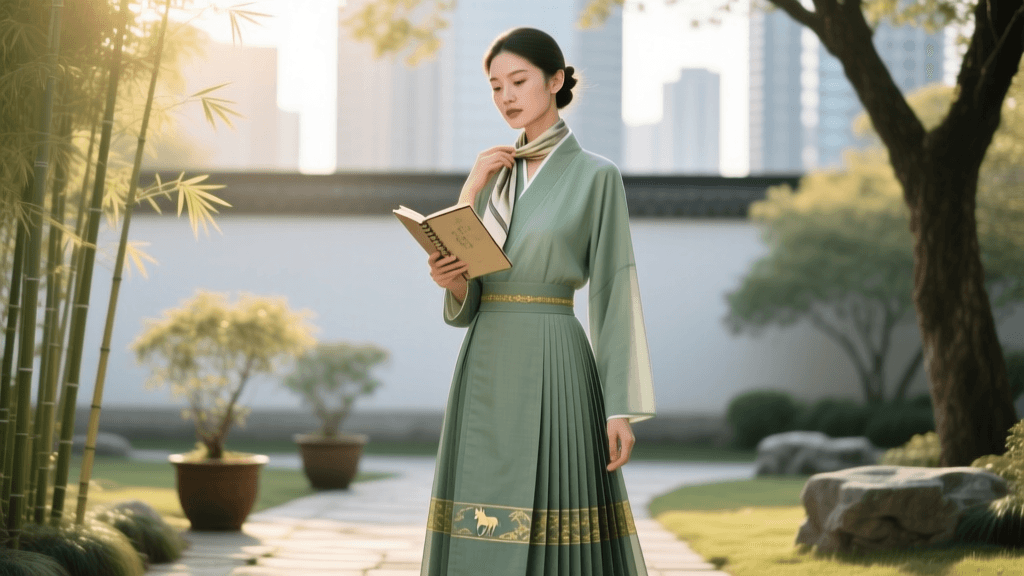
Unlike traditional Western fashion magazines that often appropriate or generalize Eastern motifs, these domestic creators focus on exact historical accuracy. They debate the structural differences between a Ming Dynasty Mamianqun (horse-face skirt) and a Song Dynasty Baizhequn (hundred-pleat skirt) with the same intensity that Western sneakerheads apply to limited-edition footwear. This hyper-specificity has created a highly educated consumer base that demands authenticity, proper historical context, and ethical production methods from modern Hanfu brands.
Leading Digital Platforms for Traditional Garment Discourse
To understand the ecosystem of Chinese fashion journalism, one must understand the platforms where these creators thrive. Each platform serves a distinct journalistic purpose in 2026:
- Bilibili: The epicenter for long-form video essays and documentary-style content. Creators here produce 30-to-60-minute deep dives into the socio-political history of specific dynasties and their corresponding dress codes. Bilibili's 'bullet screen' (danmu) commenting system allows real-time peer review and fact-checking by amateur historians.
- Xiaohongshu (Little Red Book): The premier platform for visual journalism, styling guides, and consumer reviews. In 2026, top Xiaohongshu creators use AI-enhanced macro photography to show followers the exact thread count and weave structures of vintage textiles, helping consumers spot counterfeits.
- WeChat Official Accounts: Functioning as independent digital magazines, WeChat long-form articles are where the most serious investigative journalism occurs. Bloggers use this platform to expose unethical manufacturing practices, interview elderly tailors, and publish translated historical treatises on garment construction.
Documenting Xiangyunsha: The Pinnacle of Eco-Friendly Couture
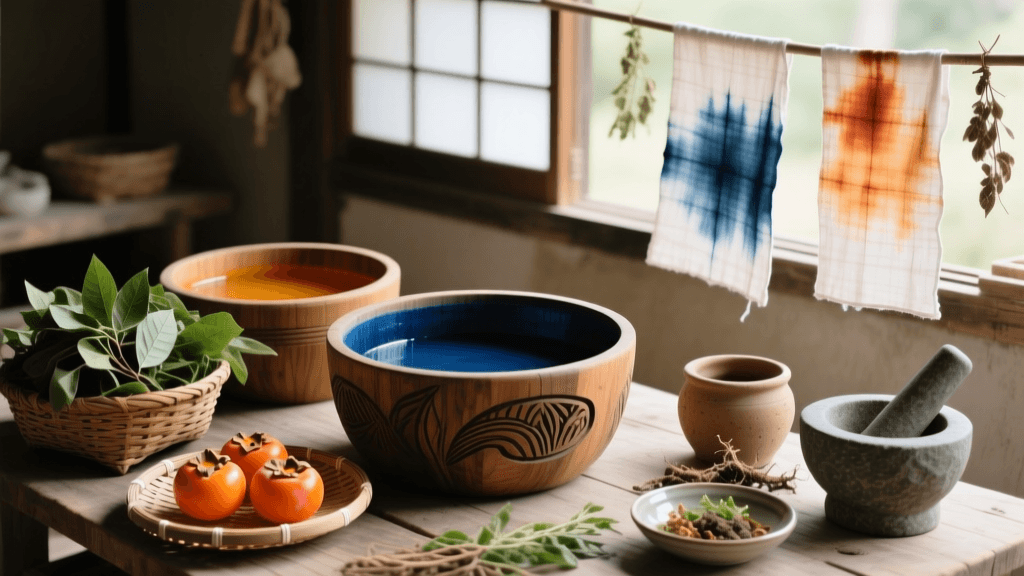
One of the most vital beats for Chinese fashion journalists in 2026 is the documentation and preservation of natural, eco-friendly dyeing methods. The crown jewel of this coverage is Xiangyunsha, also known as gambiered Guangdong gauze. This luxurious silk fabric is dyed using the juice of the Dioscorea cirrhosa (Shulang) tuber and coated with iron-rich river mud from the Pearl River Delta, a process that requires over 30 meticulous steps and intense sunlight.
Top creators have taken to living in the dyeing villages of Shunde for weeks at a time, producing cinematic vlogs and investigative reports on the environmental impact and economic viability of this ancient craft. They highlight how the mud-dyeing process creates a unique, crackled texture that is entirely biodegradable and inherently antibacterial. By bringing global attention to Xiangyunsha, these bloggers are not only preserving a UNESCO-recognized intangible cultural heritage but also pushing the modern fashion industry toward sustainable, zero-chemical alternatives.
2026 Content Engagement Metrics by Format
Understanding how audiences consume traditional fashion content is crucial for aspiring journalists. Below is a data table illustrating the average engagement metrics across major Chinese platforms for heritage fashion content in early 2026:
| Content Format | Primary Platform | Avg. Engagement Rate (2026) | Best Used For |
|---|---|---|---|
| Long-form Video Essay | Bilibili | 8.4% | Historical deep-dives, artisan interviews |
| Visual Macro-Lookbook | Xiaohongshu | 12.1% | OOTD styling, textile weave verification |
| Investigative Article | 4.2% | Supply chain analysis, brand ethics | |
| Live-Stream Loom Tours | Douyin / Taobao | 15.6% | Direct artisan monetization, Q&A |
The Hanfu Movement: Digital Archiving and Community Building
The broader Hanfu movement has always relied heavily on citizen journalists and grassroots bloggers. In 2026, this has evolved into sophisticated digital archiving. Independent blogs and WeChat syndicates are crowdsourcing high-resolution scans of antique garments held in private collections, creating open-source databases for modern tailors to study.
'We are not just wearing history; we are compiling it. Every time a blogger documents the exact drape of a Tang Dynasty banbi, they are rescuing a fragment of our cultural memory from the abyss of time.' — Excerpt from a leading 2026 WeChat editorial on digital preservation.
These digital archives are invaluable for global researchers. They provide precise measurements, seam allowances, and fabric weight specifications that were previously locked away in academic journals or physical museum vaults. Furthermore, bloggers frequently collaborate with university textile departments to conduct non-invasive spectral analysis on vintage dyes, publishing the results for the community to replicate.
Essential Tools for the 2026 Digital Fashion Journalist
For those looking to enter the space of Asian traditional fashion journalism, the technical and academic barriers to entry are higher than ever. The top creators in 2026 utilize a specific suite of tools to ensure their reporting is both visually stunning and academically rigorous:
1. Optical and Imaging Gear
To capture the intricate embroidery of a Ming Dynasty cloud collar or the subtle sheen of Xiangyunsha silk, creators rely on high-resolution mirrorless cameras paired with dedicated macro lenses. The industry standard in 2026 includes the Sony A7R series with 90mm f/2.8 Macro G OSS lenses, allowing bloggers to capture individual silk filaments. Portable, color-calibrated LED light panels are essential for accurately representing natural plant dyes, which can shift dramatically under improper lighting.
2. Digital Research Databases
Reliable journalism requires primary sources. Top bloggers frequently cross-reference their findings with digital archives provided by institutions such as the China Silk Museum and the Palace Museum. Additionally, access to the Sixth Tone cultural archives provides excellent English-language context and sociological data regarding the modern consumption of traditional garments, which is vital for bilingual creators bridging the East-West fashion divide.
3. AI-Assisted Pattern Recognition
In 2026, several bespoke AI tools trained specifically on Chinese dynastic motifs have become available to fashion journalists. These tools help bloggers quickly identify the lineage of a specific woven pattern—such as distinguishing between a Song-era floral medallion and a Qing-era reinterpretation—allowing for faster, more accurate fact-checking during live-streamed antique market tours.
Monetization, Ethics, and the Future of Slow Fashion
The intersection of journalism and commerce is a hotly debated topic within the Chinese Hanfu community. As traditional garments gain global runway presence, the temptation for bloggers to pivot toward fast-fashion affiliate marketing is high. However, the most respected creators in 2026 adhere to a strict 'slow fashion' ethical code.
They prioritize partnerships with heritage workshops and independent artisans over mass-market Taobao factories. By utilizing pre-order models and transparent pricing breakdowns—detailing the exact cost of raw silk, natural indigo, and artisan labor—these bloggers educate their audience on the true cost of heritage clothing. This transparency not only protects the livelihoods of rural weavers but also insulates the market from the race-to-the-bottom pricing that threatens traditional craftsmanship.
Conclusion
Chinese fashion journalism in 2026 is a vibrant, deeply intellectual, and visually breathtaking field. The bloggers and content creators leading the charge are doing far more than dictating trends; they are actively preserving intangible cultural heritage, championing eco-friendly natural dyes like Xiangyunsha, and holding the modern fashion industry accountable to historical and ethical standards. For anyone passionate about Asian traditions, textiles, and the future of sustainable fashion, immersing oneself in the digital publications of these Chinese creators is not just recommended—it is absolutely essential.