Ceremonial vs Everyday Hanbok: 2026 Style & Buying Guide
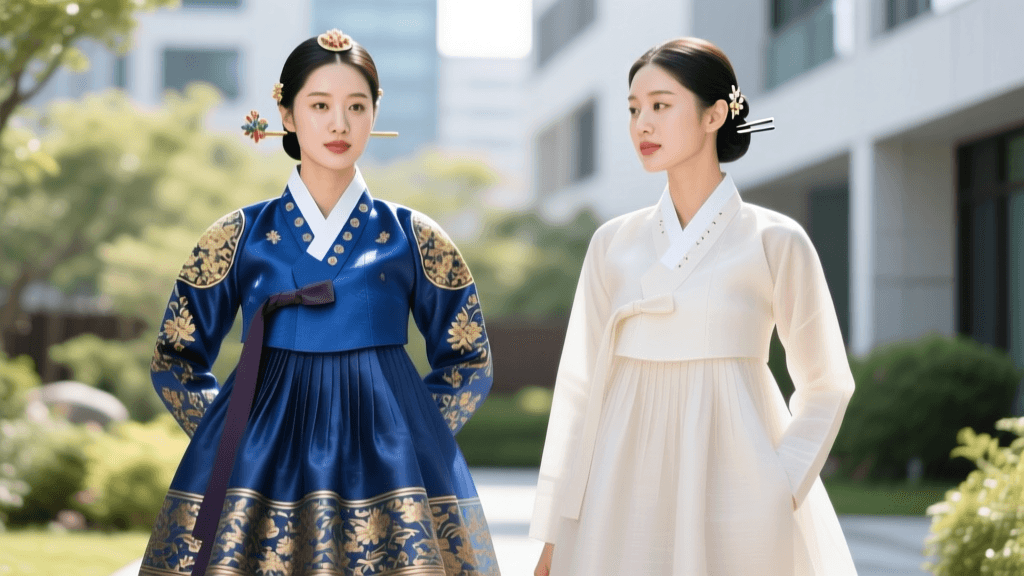
The Korean hanbok has experienced a massive cultural renaissance over the last decade, evolving from a garment reserved strictly for holidays into a dynamic element of contemporary global fashion. As we navigate through 2026, the distinction between ceremonial hanbok and everyday saenghwal (life) hanbok is more defined than ever. Whether you are attending a traditional Charye (ancestral rite), celebrating Seollal, or simply looking to integrate Korean heritage into your daily wardrobe, understanding the functional and aesthetic differences between these two categories is essential.
According to the Encyclopedia Britannica, the fundamental structure of the hanbok—the jeogori (jacket) and chima (skirt) for women, or baji (trousers) for men—has remained remarkably consistent for centuries. However, the 2026 market offers vastly different interpretations of this silhouette depending on the garment's intended use. This guide will break down the fabrics, construction, pricing, and styling rules for both ceremonial and everyday hanbok in the current market.
Defining the Two Realms of Hanbok
Ceremonial Hanbok (Myeongjeol & Hollyebok)
Ceremonial hanbok is designed for milestone events: weddings, Lunar New Year (Seollal), Chuseok, and first birthday celebrations (doljanchi). These garments prioritize historical accuracy, opulent materials, and a rigid, voluminous silhouette. The focus is on preserving tradition, utilizing pure silks, intricate geumbak (gold leaf stamping), and complex layering. Ceremonial wear is rarely machine-washable and requires specialized care, making it an investment piece meant for occasional, high-impact wear.
Everyday Hanbok (Saenghwal Hanbok)
Saenghwal hanbok translates to 'living' or 'everyday' hanbok. This category is built for the realities of modern life—commuting, working in an office, or visiting a cafe. Designers in 2026 have reimagined the traditional proportions to suit contemporary tastes and practical needs. The jeogori is often cropped or tailored like a modern blouse, while the chima features practical additions like hidden pockets, elasticized waistbands, and A-line cuts that prevent tripping on subway stairs. The Korean Cultural Center highlights how modern adaptations prioritize comfort and accessibility, allowing the hanbok to transition seamlessly into daily global wardrobes.
Comprehensive Comparison Chart
To help you decide which style fits your needs, here is a direct comparison of ceremonial and everyday hanbok based on 2026 market standards.
| Feature | Ceremonial Hanbok | Everyday (Saenghwal) Hanbok |
|---|---|---|
| Primary Fabrics | 100% Silk, Satin, Brocade, Ramie | Cotton, Linen, Tencel, Recycled Poly-blends |
| Jeogori Length | Traditional (covers bust, 30-35cm) | Modern/Cropped (ribcage, 20-28cm) |
| Care Instructions | Dry clean only, professional pressing | Machine washable (gentle), steam iron |
| Fastenings | Traditional silk Goreum (ties) | Hidden snaps, hooks, or simplified ties |
| Average Cost (2026) | $450 - $2,500+ USD | $95 - $280 USD |
| Weight & Volume | Heavy, requires structured petticoats | Lightweight, flows naturally with movement |
2026 Fabric Innovations in Everyday Wear
The most significant shift in the 2026 saenghwal hanbok market is the integration of sustainable and high-performance textiles. While traditionalists still swear by summer ramie and winter silk, everyday brands are leveraging modern fabric technology to solve historical pain points like wrinkling and heat retention.
- Tencel and Modal Blends: These semi-synthetic, wood-pulp-based fabrics have become the gold standard for everyday chima. They offer the luxurious drape of silk but are entirely machine-washable and resist deep wrinkling.
- Organic Hemp-Cotton Weaves: For summer wear, lightweight hemp blends provide exceptional breathability and a textured, rustic aesthetic that pairs beautifully with minimalist modern styling.
- Stretch-Woven Polyesters: High-end recycled polyesters are now being woven with a 2% elastane content, allowing for structured jeogori collars that maintain their crisp V-shape throughout a long workday without choking the wearer.
Actionable Sizing and Measurement Guide
Unlike Western clothing, which relies on standard S/M/L sizing based on full body volume, hanbok sizing is highly modular. Because the chima is tied above the bust and the baji is secured at the waist with a drawstring, the fit is inherently forgiving. However, getting the jeogori right is crucial.
How to Measure for a Modern Jeogori
- Shoulder Width: Measure from the edge of one shoulder bone to the other. Modern saenghwal hanbok often features a dropped shoulder seam for a relaxed fit, so accuracy here ensures the collar sits flat against the collarbone.
- Chest/Bust: Measure around the fullest part of your chest. For a traditional fit, add 4 inches for ease. For a modern, tailored saenghwal fit, add only 2 inches.
- Sleeve Length: Traditional sleeves (baerae) are long, covering the hands to protect the cuffs from dirt. In 2026, everyday sleeves are measured from the center back of the neck to the wrist bone, or even cropped to the mid-forearm for a contemporary look.
- Jeogori Length: Measure from the base of your neck down your back. Decide if you want the jacket to cover your bust (traditional/ceremonial) or end just below your ribcage (modern/everyday).
Styling Ceremonial Hanbok for Modern Milestones
Wearing a full ceremonial hanbok in 2026 does not mean you must look like a historical reenactor. The key to pulling off ceremonial wear with modern elegance lies in the foundational garments and accessories.
The Foundation (Sokgot): The silhouette of a ceremonial chima relies entirely on the undergarments. In 2026, modern hanbok under-skirts feature adjustable drawstrings and lightweight hoop structures that provide the traditional bell shape without the suffocating weight of layered cotton petticoats. Always invest in a high-quality sokchima with a non-slip silicone grip at the waistband to prevent the heavy silk skirt from sliding down during long ceremonies.
Footwear: While traditional kkotsin (embroidered shoes) are beautiful, they offer zero arch support. For modern weddings or holiday gatherings, it is entirely acceptable—and recommended—to pair your ceremonial hanbok with minimalist leather loafers, velvet Mary Janes, or low-block heels in neutral tones. Avoid stilettos, as they can easily snag the delicate hem of the skirt.
Hair and Accessories: Skip the heavy, traditional wigs or overly elaborate pins. A sleek, low chignon secured with a modern, minimalist binyeo (hairpin) crafted from jade, matte gold, or even sustainable acrylic offers a sophisticated bridge between antiquity and modern high fashion.
2026 Market Guide: Where to Buy and Pricing
The hanbok market is highly segmented. Knowing where to shop will save you hundreds of dollars and ensure you get the correct garment for your needs.
For Everyday Saenghwal Hanbok
If you are looking for daily wear, skip the tourist rental shops in Bukchon. Instead, look toward contemporary Korean fashion platforms. Brands like Leesle and Tchai Kim continue to dominate the 2026 market, offering modular pieces that can be mixed with Western clothing (e.g., pairing a hanbok skirt with a simple cashmere turtleneck). Expect to pay between $95 and $180 USD for a high-quality, machine-washable everyday set. Online platforms like Musinsa and W Concept are the best places to browse the latest indie designer drops.
For Ceremonial and Bespoke Hanbok
For weddings, major holidays, or heirloom-quality pieces, you must visit specialized ateliers. In Seoul, the areas surrounding Dongdaemun and Jongno house master tailors who work exclusively with imported silks and hand-applied gold leaf. Brands like Danha have successfully bridged the gap, offering luxury ceremonial wear that feels relevant to modern aesthetics. A custom-fitted, pure silk ceremonial set in 2026 will typically start at $600 USD and can easily exceed $2,500 USD for bridal ensembles with intricate hand-embroidery.
Conclusion
The beauty of the hanbok in 2026 lies in its duality. You no longer have to choose between respecting tradition and living comfortably. By understanding the structural and material differences between ceremonial and saenghwal hanbok, you can build a versatile wardrobe that honors Korean heritage while fitting seamlessly into your modern lifestyle. Whether you are tying the goreum of a silk bridal jacket or slipping into a Tencel everyday skirt for a morning coffee, the hanbok remains a living, breathing testament to the evolution of Asian sartorial traditions.