Decoding Kimono Motifs: Pattern, Color, and Seasons
The Language of the Kimono: Beyond the Silhouette
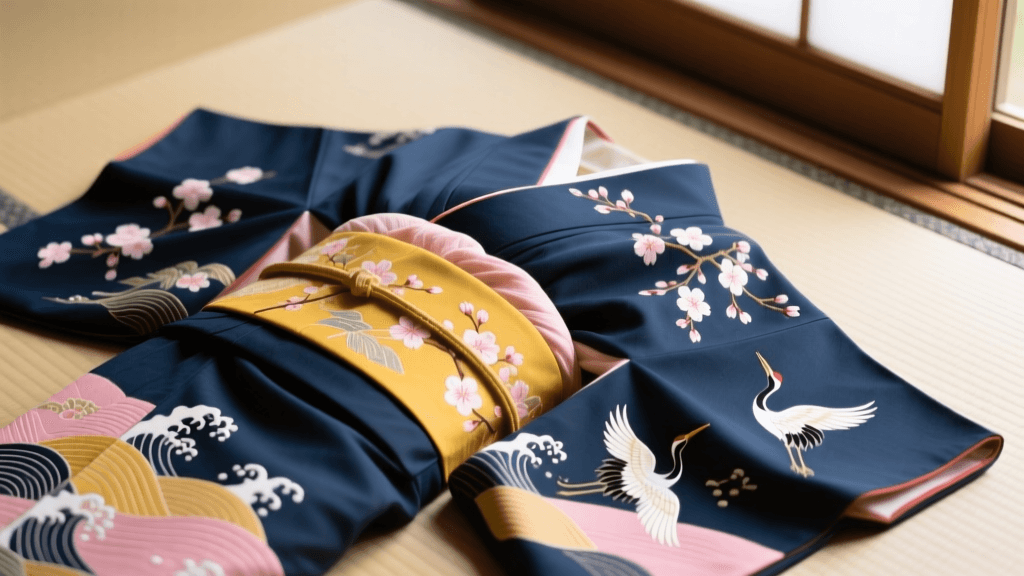
Unlike Western fashion, which traditionally emphasizes the cut, drape, and silhouette of a garment to highlight the human form, the traditional Japanese kimono approaches the body as a canvas. The true artistry, cultural weight, and communicative power of the kimono lie entirely in its textile: the colors, the motifs, and the precise placement of its patterns. To wear a kimono correctly is to engage in a silent, highly codified dialogue with nature, society, and the changing of the seasons.
According to the Victoria and Albert Museum, the kimono's iconic T-shape structure remained relatively unchanged for centuries, specifically to allow the flat, unbroken expanse of silk to serve as a pristine background for intricate dyeing and embroidery techniques. Understanding this 'language' of patterns is essential for anyone looking to purchase, rent, or wear traditional Japanese garments for modern events, from tea ceremonies to weddings.
The Strict Calendar of Seasonal Motifs
In Japanese culture, seasonality (kisetsukan) is paramount. Kimono motifs are not merely decorative; they are temporal markers. Wearing a motif out of season is considered a significant faux pas. The general rule of thumb is to anticipate a season rather than react to it. You should begin wearing autumn motifs as the summer heat breaks, and winter motifs as the first chill enters the air.
Timing is Everything: Actionable Rules
- Cherry Blossoms (Sakura): The most famous Japanese motif is also the most strictly regulated. You should begin wearing sakura motifs in late February or early March, before the trees actually bloom. Once the real cherry blossoms begin to fall (usually early to mid-April), wearing the motif on your kimono is considered bad taste, as it implies you are clinging to a fleeting beauty that has already passed.
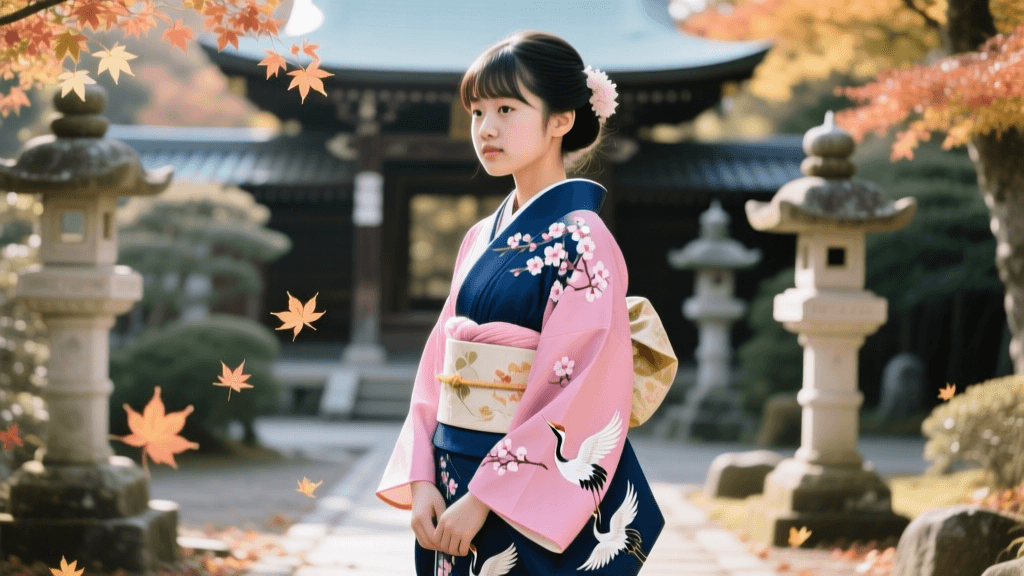
- Maple Leaves (Momiji): Wear these from late September through November. Pairing momiji with flowing water motifs represents the Tatsuta River, a classic poetic reference to autumn's beauty.
- Pine, Bamboo, and Plum (Shochikubai): While these are winter motifs, they are highly auspicious and can be worn year-round for formal celebrations like weddings, though they are most prominent in January and February.
Auspicious Motifs (Kissho) for Celebrations
When attending a wedding, a Coming of Age ceremony (Seijin-shiki), or a formal New Year's gathering, the motifs on your kimono must convey blessings and good fortune. These are known as kissho patterns.
The crane (tsuru) and turtle (kame) are the ultimate symbols of longevity, stemming from the ancient proverb that the crane lives for a thousand years and the turtle for ten thousand. A bride's uchikake (outer robe) or a formal kurotomesode worn by the mother of the bride will frequently feature cranes in flight or intertwined turtles. Another vital auspicious motif is the treasure ship (takarabune), often depicted carrying the Seven Lucky Gods, symbolizing immense wealth and prosperity. For young unmarried women attending weddings, a furisode featuring cascading wisteria or peonies (the 'king of flowers') projects elegance and high social standing without overshadowing the bride.
Color Symbolism and Formality
Color in kimono dictates the wearer's age, marital status, and the formality of the occasion. The placement of the color is just as important as the hue itself.
- Red (Aka): Historically associated with youth, vitality, and protection against evil spirits. Bright red is predominantly worn by young, unmarried women. A red nagajuban (under-kimono) is still worn by many for its protective qualities.
- Black (Kuro): The pinnacle of formality for married women. The kurotomesode is a black kimono with patterns only below the waist, featuring five family crests (kamon). It is strictly reserved for the most formal events, such as weddings.
- White (Shiro): Represents purity and sacredness. It is the color of traditional Shinto wedding kimonos (shiromuku) but is also the traditional color of mourning, depending on the context and accessories.
- Purple and Deep Blue: Often utilized in homongi (visiting kimonos) for older married women or for formal tea ceremonies, projecting quiet dignity and refined elegance.
Seasonal Motif Cheat Sheet
| Season | Motif | Japanese Name | Symbolism & Timing |
|---|---|---|---|
| Spring | Cherry Blossom | Sakura | Renewal, fleeting beauty. Wear from late Feb to early April (before petals fall). |
| Spring | Wisteria | Fuji | Love and support. Wear in late April and May. |
| Summer | Morning Glory | Asagao | Coolness, summer mornings. Wear in July and August. |
| Summer | Firefly | Hotaru | Evening cool, ephemeral light. Wear in June and July. |
| Autumn | Maple Leaves | Momiji | Passage of time, elegance. Wear from late Sept to Nov. |
| Autumn | Chrysanthemum | Kiku | Longevity, nobility. Wear from Sept to Nov. |
| Winter | Pine, Bamboo, Plum | Shochikubai | Resilience, longevity. Auspicious for New Year and winter weddings. |
| Winter | Camellia | Tsubaki | Quiet winter beauty. Wear in Dec and Jan. |
The Art of Yuzen Dyeing: What to Look For
To truly appreciate kimono motifs, one must understand the craftsmanship behind them. The Metropolitan Museum of Art highlights the Edo-period invention of Yuzen dyeing, a resist-dye technique that revolutionized Japanese textiles. Artisans use a rice-paste resist to draw intricate outlines on the silk, preventing colors from bleeding into one another. This allows for the highly detailed, painterly motifs seen on formal garments.
When shopping for a vintage or new kimono, look for the slight raised texture of the rice paste outlines and the rich, multi-tonal gradients within a single petal or leaf. Hand-painted Yuzen pieces command a premium, often starting at ¥200,000 ($1,350), whereas stencil-dyed (kata-yuzen) or printed alternatives are more budget-friendly, ranging from ¥30,000 to ¥80,000 ($200–$550).
Actionable Guide: Sizing, Renting, and Buying
For modern consumers, navigating the acquisition of a kimono requires specific knowledge of measurements and market costs.
How to Measure for a Kimono
When purchasing or renting a kimono, the most critical measurement is not your waist or bust, but your height. Because the kimono is wrapped and folded at the waist (a process called ohashori), the width is highly forgiving. However, the length must be precise. To find your ideal kimono length, measure from the prominent vertebra at the base of your neck down to your ankle bone.
- Standard Size: Fits heights of 158 cm to 163 cm (approx. 5'2' to 5'4'). The kimono length will be around 160 cm.
- Tall Size: For heights 165 cm and above, you will need a custom-tailored piece or an antique omeshi silk kimono that can be let out at the seams.
- Petite Size: For heights under 155 cm, standard kimono will require deep folding, which can look bulky. Look for kobeshaku (petite) sizing.
Cost Breakdown for Modern Consumers
Whether you are traveling to Japan or shopping online, understanding the price tiers will help you make informed decisions. The Japan National Tourism Organization frequently recommends rental services for tourists, but owning a piece is a cherished investment.
- Yukata (Summer Cotton): Buying a new, machine-washable yukata set (including obi and belt) costs between ¥5,000 and ¥15,000 ($35–$100). Rental for a day in Kyoto or Asakusa costs ¥3,000–¥5,000 ($20–$35).
- Homongi (Formal Visiting Kimono): Essential for weddings and tea ceremonies. Rental ranges from ¥10,000 to ¥25,000 ($70–$170). Purchasing a new, hand-dyed silk Homongi starts at ¥150,000 ($1,000+).
- Furisode (Unmarried Women's Formalwear): Characterized by long, swinging sleeves. Rental is ¥15,000–¥30,000 ($100–$200). Purchasing new can easily exceed ¥500,000 ($3,400) due to the intricate Yuzen dyeing and gold leaf application.
Conclusion
The kimono is far more than a beautiful garment; it is a wearable almanac and a tapestry of cultural values. By understanding the strict seasonal calendars, the auspicious meanings of kissho motifs, and the practicalities of sizing and craftsmanship, you can approach traditional Japanese dress with respect and confidence. Whether you are renting a vibrant yukata for a summer festival or investing in a hand-painted silk homongi, you are participating in a centuries-old tradition that celebrates the profound beauty of the natural world.