2026 Hanfu Fabric Drape & Comfort Analysis: Top Textiles
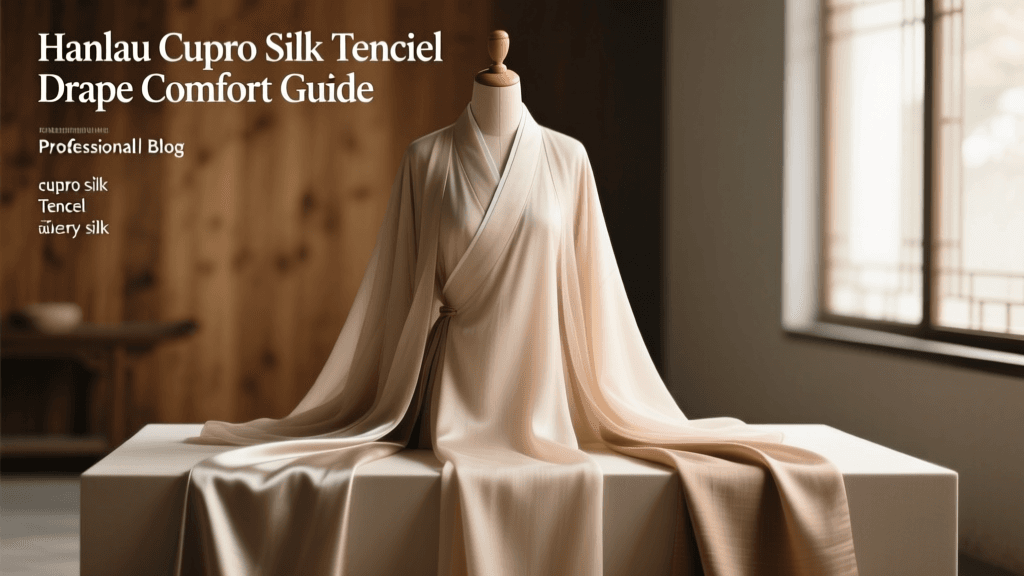
The Evolution of Hanfu Textiles in 2026
The Hanfu renaissance has evolved significantly by 2026, transitioning from a niche historical reenactment hobby into a robust pillar of the global Xin Zhongshi (new Chinese style) fashion movement. As traditional garments like the Mamianqun (horse-face skirt) and Beizi (slip dress) become integrated into daily modern wardrobes, the demands placed on textiles have shifted dramatically. Enthusiasts and designers are no longer satisfied with mere visual accuracy; they now demand rigorous fabric performance, specifically focusing on drape, breathability, and all-day comfort. Understanding the physics of how a fabric falls against the body—known in Chinese textile aesthetics as chuizhui gan (垂坠感)—is essential for selecting the right garment for any occasion.
In this comprehensive 2026 analysis, we break down the structural integrity, comfort metrics, and drape qualities of the most prominent fabrics used in contemporary Hanfu production. Whether you are sourcing materials for a custom weave or purchasing ready-to-wear pieces, understanding these textile properties will elevate your traditional wardrobe.
The Physics and Cultural Aesthetics of Drape
In traditional Chinese garment construction, the fabric is not merely a covering; it is an active participant in the silhouette. Unlike Western tailoring, which often relies on darts, seams, and structured padding to force a garment into a specific shape, Hanfu relies entirely on the natural drape of the textile. The flow of a Ruqun (blouse and skirt ensemble) or the sharp, kinetic pleats of a Mamianqun are dictated by the fabric's bending stiffness and weight.
A fabric with excellent chuizhui gan possesses enough density and fluidity to fall smoothly over the body's contours without clinging or bunching. This creates the ethereal, flowing silhouette historically associated with scholars, deities, and nobility. In 2026, textile engineers in Hangzhou and Suzhou have perfected modern blends that mimic the heavy, luxurious drape of ancient silks while introducing modern wrinkle resistance and machine-washable durability.
2026 Hanfu Fabric Comparison Matrix
To help you navigate the current market, we have compiled a performance matrix based on 2026 textile testing standards. This chart evaluates the most popular fabrics used in modern Hanfu manufacturing across four critical metrics.
| Fabric Type | Drape Quality (1-10) | Breathability | Wrinkle Resistance | 2026 Avg Cost (Per Meter) |
|---|---|---|---|---|
| Grade 6A Mulberry Silk | 9.5 | High | Low | $45 - $85 |
| Cupro-Silk Blend | 8.5 | High | Medium | $25 - $40 |
| Tencel-Linen Weave | 7.0 | Very High | Medium | $18 - $30 |
| Traditional Brocade (Zhuanghua) | 6.0 | Low | High | $70 - $150 |
| Polyester Chiffon (Budget) | 5.0 | Very Low | High | $5 - $12 |
Grade 6A Mulberry Silk (桑蚕丝)
For purists and luxury collectors, Grade 6A mulberry silk remains the undisputed champion of traditional drape. According to the Food and Agriculture Organization's sericulture reports, mulberry silk fibers possess a unique triangular prism-like structure that refracts light, giving Hanfu its signature pearlescent glow. In 2026, the heaviest silk crepes (weighing 30 to 40 momme) are highly sought after for winter Aoqun (lined jackets and skirts) because their substantial weight creates an immaculate, gravity-defying drape that holds pleats perfectly. However, pure silk requires meticulous care, is prone to water spotting, and lacks the elasticity needed for high-mobility daily wear.
Cupro (Bemberg) and Silk Blends
The breakout star of the 2026 Xin Zhongshi market is the Cupro-silk blend. Cupro is a regenerated cellulose fiber derived from cotton linter, often branded as Bemberg. When woven with a 20% to 30% silk ratio, the resulting textile achieves a drape score that rivals pure silk but at a fraction of the cost and maintenance. Cupro-silk blends are exceptionally fluid, making them the premier choice for summer Qixiong Ruqun (chest-high skirts) where the fabric must cascade elegantly from the underbust without adding bulky volume. Furthermore, Cupro is naturally anti-static, preventing the embarrassing clinging that often plagues pure synthetic alternatives in dry climates.
Tencel Lyocell and Linen Intersections
For historical styles originating from the Song and Ming dynasties, which favor structured yet breathable layers, Tencel-linen blends have become the industry standard. As highlighted by the official Tencel sustainability portal, Lyocell fibers are produced in an environmentally responsible closed-loop process. When interwoven with linen, the Tencel neutralizes the traditional scratchiness and stiff wrinkling of pure linen, while the linen provides the necessary structural 'bite' to hold the sharp, architectural collars of Ming-style Pifeng (cloak-like garments). This blend offers superior thermoregulation, making it the ultimate choice for humid summer travel and outdoor cultural festivals.
Evaluating Comfort: Skin Feel and Thermoregulation
Comfort in traditional garments extends far beyond simple softness. It encompasses moisture-wicking capabilities, thermal conductivity, and friction against the skin. In 2026, dermatological testing has become a standard marketing point for premium Hanfu brands.
- Moisture Management: Tencel and Cupro excel in high-humidity environments. They absorb moisture up to 50% better than standard cotton, pulling sweat away from the skin and allowing it to evaporate rapidly. This is crucial for multi-layered Hanfu worn during summer solstice ceremonies.
- Thermal Regulation: Mulberry silk is a natural temperature regulator. Its protein structure traps insulating air in the winter while remaining cool to the touch in the summer. However, heavy brocades lined with synthetic polyesters will trap heat, leading to discomfort during extended wear.
- Friction and Sensitivity: For individuals with eczema or sensitive skin, the smooth, continuous filament of Grade 6A silk produces the lowest coefficient of friction. Modern 'peach skin' polyester blends, while cheap and durable, can cause micro-abrasions over a full day of wear.
The Xin Zhongshi Movement: Blending Tradition and Modernity
The 2026 Xin Zhongshi (New Chinese Style) movement has heavily influenced fabric choices, pushing manufacturers to develop textiles that bridge the gap bygone eras and the modern commute. Designers are now utilizing 'memory silk'—a proprietary blend of silk and advanced shape-memory polymers. This fabric remembers the sharp, knife-pressed pleats of a Mamianqun even after being crushed in a crowded subway or folded into a travel suitcase. This innovation has single-handedly revitalized the daily wearability of pleated traditional skirts, removing the need for hourly steaming and pleat-clipping that previously deterred modern professionals from wearing Hanfu to the office.
Preserving Drape: 2026 Maintenance and Storage Protocols
Even the most expensive, perfectly woven textile will lose its structural integrity and drape if improperly maintained. The way you wash, dry, and store your Hanfu directly impacts the longevity of the fabric's chuizhui gan. According to the conservation guidelines established by the Metropolitan Museum of Art's Textile Conservation department, protein-based fibers like silk require highly specific environmental controls to prevent degradation.
Washing and Hydration
Never use alkaline detergents on silk or cupro blends, as they break down the molecular bonds of the fibers, resulting in a stiff, lifeless drape. In 2026, pH-neutral, enzyme-free textile baths are widely available and highly recommended. When hand-washing, avoid wringing the fabric. Instead, press the water out by rolling the garment in a microfiber towel. Wringing introduces micro-tears that disrupt the fabric's natural fall.
Steaming vs. Ironing
To restore the drape of a crushed Tencel-linen Beizi, always use a continuous steam generator rather than a traditional flat iron. Flat irons compress the fibers, creating an unnatural, glossy sheen and stiffening the fabric. Steam relaxes the hydrogen bonds in the cellulose fibers, allowing them to return to their natural, flowing state. For Mamianqun pleats, use specialized magnetic pleat boards during steaming to ensure the geometric precision of the skirt is maintained without scorching the waistband.
Long-Term Storage
Storing heavy silk brocades on wire hangers will permanently distort the warp and weft of the fabric, destroying the shoulder drape of jackets and coats. Garments should be padded with acid-free tissue paper and stored flat in breathable cotton garment bags. For everyday cupro and Tencel pieces, wide, velvet-padded wooden hangers are essential to distribute the weight of the garment evenly, preserving the structural memory of the textile for years to come.
Conclusion
The Hanfu landscape in 2026 is a triumph of textile engineering meeting cultural heritage. By understanding the distinct drape and comfort profiles of mulberry silk, cupro blends, and Tencel-linen weaves, enthusiasts can curate a wardrobe that honors historical aesthetics while embracing modern livability. Whether you are attending a formal tea ceremony or navigating a bustling city street, selecting the right fabric ensures that your traditional garments move with you in perfect, flowing harmony.