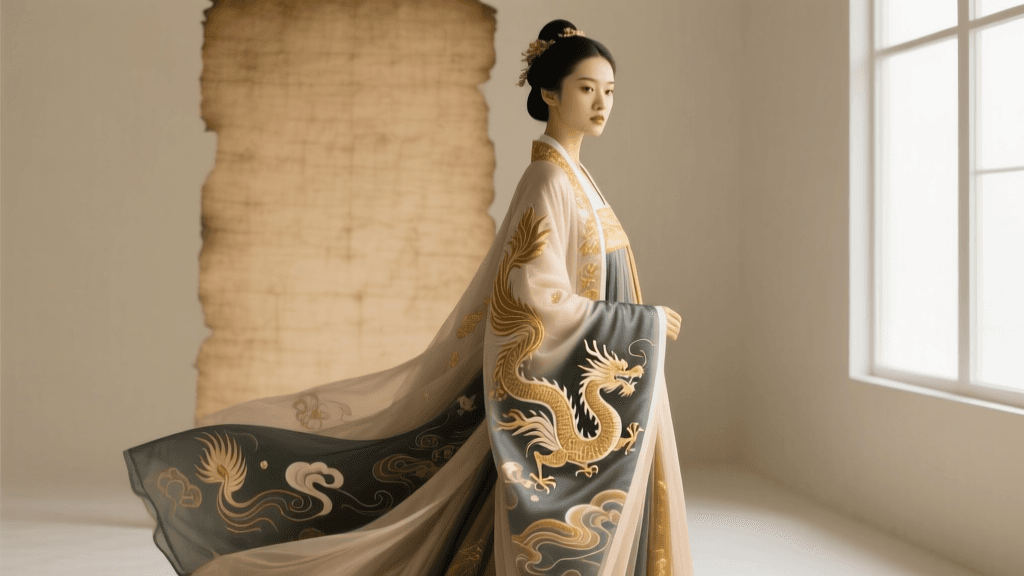
Lotus & Peace Silk for Kimono and Hanbok: 2026 Guide
The 2026 Shift Toward Ethical Textiles in Asian Traditional Garments
The landscape of traditional Asian garment construction has undergone a profound transformation by 2026. While mulberry silk has reigned supreme for centuries in the creation of the Japanese kimono and Korean hanbok, modern artisans and consumers are increasingly prioritizing sustainability and ethical production. This shift has elevated alternative textiles—specifically lotus silk and peace silk (Ahimsa)—from niche curiosities to highly sought-after fabrics for ceremonial and everyday traditional wear. According to recent sustainability reports by Textile Exchange, the demand for non-violent and plant-based silk alternatives has grown exponentially, driven by a new generation of wearers who demand ecological harmony without sacrificing the elegant drape required for traditional silhouettes.
Understanding Lotus Silk: The Rare Fiber of Inle Lake
Lotus silk is extracted from the stems of the Nelumbo nucifera (sacred lotus) plant. Historically confined to the artisans of Inle Lake in Myanmar and the Mekong Delta in Vietnam, lotus silk has entered the global luxury textile market in 2026 with improved, albeit still highly manual, extraction techniques. The fibers are incredibly fine, breathable, and possess a natural elasticity that makes them uniquely suited for summer-weight traditional garments.
Application in Kimono and Hanbok
In Japanese tailoring, lotus silk is prized for hitoe (unlined) summer kimonos and high-end yukata. Its natural cooling properties and matte, linen-like finish provide a rustic yet luxurious aesthetic known as wabi-sabi. For the Korean hanbok, lotus silk is increasingly used for the jeogori (jacket) in warm-weather festival wear, offering a crisp structure that holds the garment's signature architectural lines without the heavy insulation of traditional winter silks.
Peace Silk (Ahimsa): Cruelty-Free Elegance
Peace silk, or Ahimsa silk, is harvested only after the silkworm has naturally metamorphosed into a moth and left the cocoon. This process breaks the continuous filament, resulting in a spun silk yarn rather than a reeled one. The most common varieties used in 2026 are Eri silk and Tussar silk. As detailed in the historical archives of the Victoria and Albert Museum, wild and spun silks have a rich history in Asian textiles, offering a textured, slubbed appearance that differs vastly from the glass-like smoothness of cultivated mulberry silk.
Drape and Structural Integrity
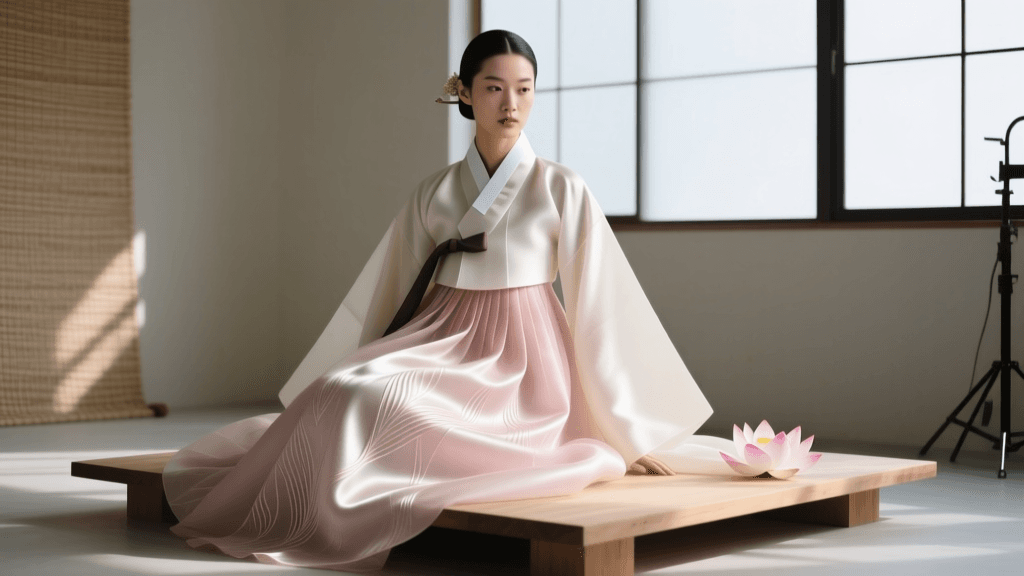
Because peace silk is spun, it has a softer, more fluid drape and a slightly nubby texture. In the construction of a hanbok's chima (skirt), peace silk provides a beautiful, voluminous flow that catches the light diffusely. For the kimono, peace silk is an excellent choice for the obi (sash) and haori (jacket), where a slightly heavier, textured weave adds visual depth and tactile interest to the outfit. Furthermore, the natural "grip" of spun peace silk makes it vastly superior for tying the complex knots of a hanbok goreum (ribbon tie) or a kimono musubi (obi knot), preventing the slipping often experienced with slippery charmeuse silks.
Comparative Analysis: Lotus, Peace, and Mulberry Silk
Choosing the right fabric requires an understanding of weight, measured in momme (mm), and the specific structural demands of the garment. Below is a comprehensive comparison of the primary silk choices available to traditional tailors in 2026.
| Textile Type | Origin & Processing | Average Weight (Momme) | Drape & Texture | 2026 Avg. Price (Per Yard) | Best Garment Application |
|---|---|---|---|---|---|
| Mulberry Silk (Habitai/Charmeuse) | Bombyx mori cocoons (reeled) | 12mm - 19mm | Fluid, high-sheen, smooth | $35 - $60 | Formal Hanbok Chima, Kimono Nagajuban |
| Eri Peace Silk (Ahimsa) | Samia ricini cocoons (spun, moth emerges) | 15mm - 25mm | Matte, soft, wool-like slub | $75 - $110 | Winter Haori, Hanbok Jeogori |
| Tussar Peace Silk | Antheraea paphia (wild, spun) | 10mm - 16mm | Crisp, textured, moderate sheen | $65 - $95 | Obi Sashes, Summer Festival Chima |
| Lotus Silk | Nelumbo nucifera stems (hand-extracted) | 8mm - 12mm | Breathable, matte, linen-like | $250 - $400 | Hitoe Summer Kimono, Luxury Yukata |
Practical Guide: Sourcing and Sewing with Alternative Silks in 2026
Working with lotus and peace silk requires adjustments to traditional sewing techniques. Because these fibers lack the continuous filament strength of reeled mulberry silk, they demand specialized handling.
Needle and Thread Selection
- Needles: Use Microtex (sharp) needles, size 60/8 or 70/10. The sharp point pierces the spun fibers cleanly without causing snags or runs, which are common with universal needles on slubbed peace silk.
- Thread: Opt for 100% silk thread or high-tenacity recycled PET thread. According to the Food and Agriculture Organization (FAO), blending sustainable threads with traditional sericulture products is a major focus for 2026 textile engineering, ensuring seam durability without compromising biodegradability.
- Tension: Lower your machine's top tension by 1 to 1.5 settings. Lotus silk is highly sensitive to tension puckering, and a relaxed feed is essential for flat seams.
Seam Finishes for Unlined Garments
For unlined garments like the hitoe kimono, the interior seams are visible. Traditional tailors utilize French seams or the intricate hika fold technique to enclose raw edges. When working with lotus silk, which frays more readily than heavy crepe silk, applying a micro-stitch (1.5mm length) on the initial seam before folding and pressing is critical to prevent unraveling over time.
Natural Dyeing: Enhancing Ethical Fibers
The matte finish of both lotus and peace silk makes them exceptional canvases for natural dyes, a practice that has seen a massive revival in 2026. Traditional Japanese kakishibu (persimmon tannin) dyeing reacts beautifully with the proteins in peace silk, creating a water-resistant, paper-like stiffness ideal for outerwear. Conversely, lotus silk, being a plant-based cellulose fiber, requires a mordant (like alum or soy milk) to bind natural indigo or madder root dyes effectively. The resulting colors are muted, earthy, and perfectly aligned with the contemporary aesthetic of modern traditional wear.
Sourcing Realities and Market Availability
Sourcing authentic lotus silk in 2026 requires navigating a highly specialized supply chain. Due to climate fluctuations affecting water levels in Inle Lake and the Mekong Delta, authentic hand-woven lotus silk yields have seen a noticeable decrease this year, driving up luxury market prices. Buyers should look for certified fair-trade cooperatives that guarantee the hand-rolling origin of the fiber. Peace silk, while more abundant, is frequently blended with cotton or synthetic fibers in the mass market. To ensure 100% pure Ahimsa silk, always request a burn test certificate or purchase directly from established heritage mills in Assam and Bihar.
Care and Maintenance of Ethical Silk Garments
Preserving the integrity of lotus and peace silk requires a departure from standard dry-cleaning methods, which often use harsh chemicals that strip the natural sericin and plant oils from the fibers.
- Washing: Hand wash in cool water (below 30°C) using a pH-neutral, enzyme-free detergent specifically formulated for delicate protein and cellulose fibers.
- Drying: Never wring lotus silk. Roll the garment in a clean cotton towel to absorb excess moisture, then lay flat away from direct sunlight to prevent the natural fibers from becoming brittle.
- Pressing: Use a low-heat steam iron with a cotton pressing cloth. Peace silk can develop a permanent shine if pressed directly with a hot iron, which ruins its rustic aesthetic.
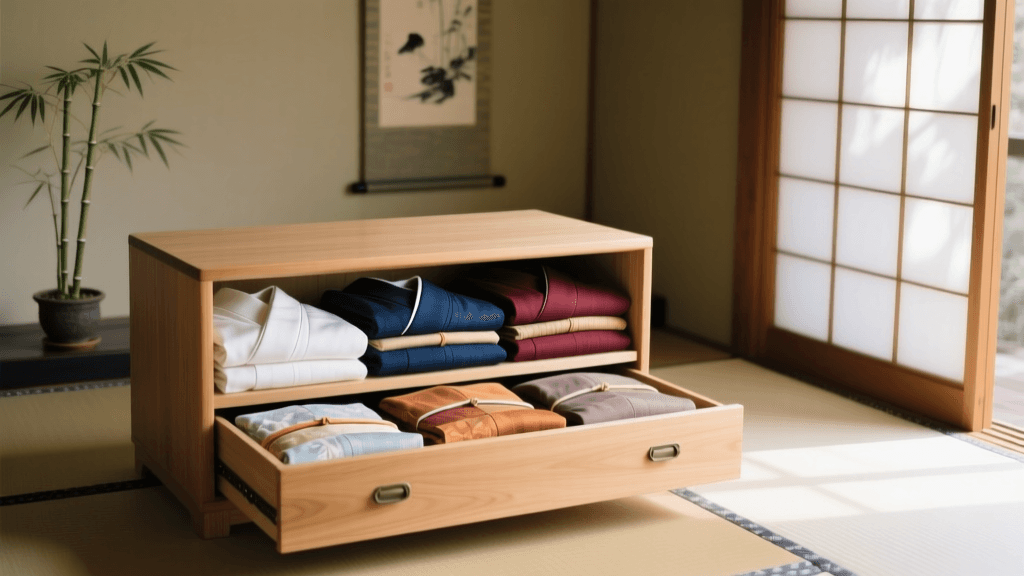
- Storage: Store folded in acid-free tissue paper within a cedar chest (tansu). Avoid hanging heavy peace silk chima or kimono for long periods, as the spun fibers can stretch under their own weight over time.
Conclusion: The Future of Traditional Asian Textiles
As we navigate 2026, the integration of lotus silk and peace silk into the wardrobes of kimono and hanbok enthusiasts represents a harmonious blend of ancestral respect and modern ethical consciousness. By understanding the unique properties, sewing requirements, and care protocols of these extraordinary textiles, artisans and wearers alike can ensure that Asian traditional garments continue to evolve, remaining relevant, sustainable, and breathtakingly beautiful for generations to come.