Styling the Mamianqun: 2026 Global Fashion Media Trends
The Mamianqun Takes Over 2026 Global Runways and Editorials
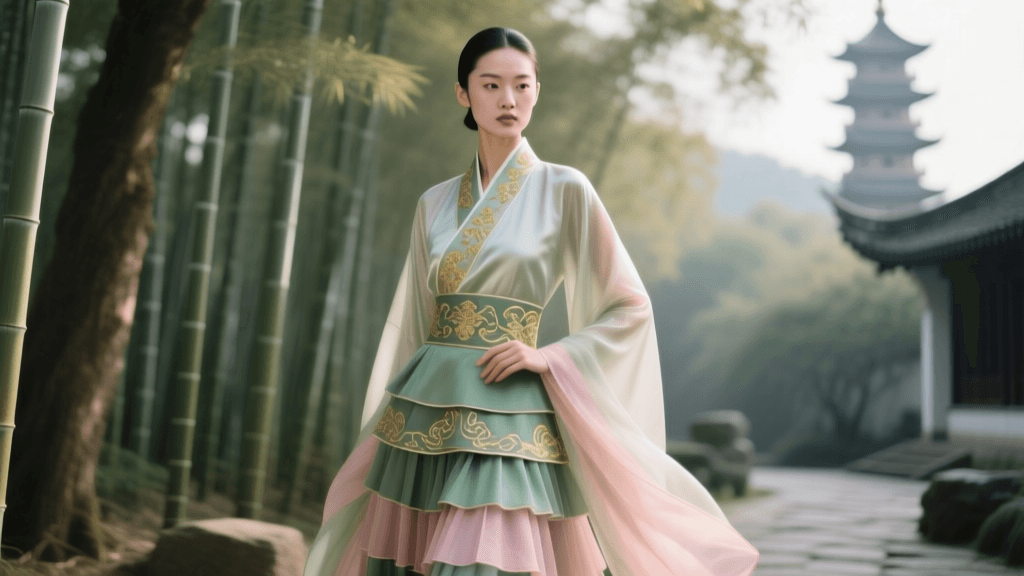
The global fashion media landscape in 2026 has undergone a profound transformation, moving away from superficial cultural appropriation toward deep, respectful integration of Asian traditional garments. At the forefront of this movement is the Mamianqun (horse-face skirt), a cornerstone of Hanfu that has evolved from a historical artifact into a highly coveted staple in contemporary haute couture and global street style. Major fashion publications, from Vogue to Harper's Bazaar, are now regularly featuring the Mamianqun in their editorial spreads, celebrating its architectural pleating and rich textile heritage.
Unlike the fleeting trends of the past decade, the 2026 fashion season treats the Mamianqun not as a costume, but as a foundational luxury piece akin to the tweed midi skirt or the tailored pleated trouser. Designers in Paris, Milan, and Shanghai are collaborating directly with traditional weaving artisans to produce skirts that honor the garment's Ming and Qing dynasty origins while adapting to the modern wardrobe. This shift marks a pivotal moment in how Asian traditions are consumed, discussed, and styled on the global stage.
From Historical Artifact to High-Fashion Staple
To understand the Mamianqun's current media dominance, one must appreciate its structural brilliance. Historically, the skirt is characterized by its flat front and back panels (the 'horse faces') flanked by intricately pleated side panels. According to historical records of the Mamianqun, this design was originally developed for ease of movement while horseback riding, eventually becoming a symbol of elegance and status among women in imperial China.
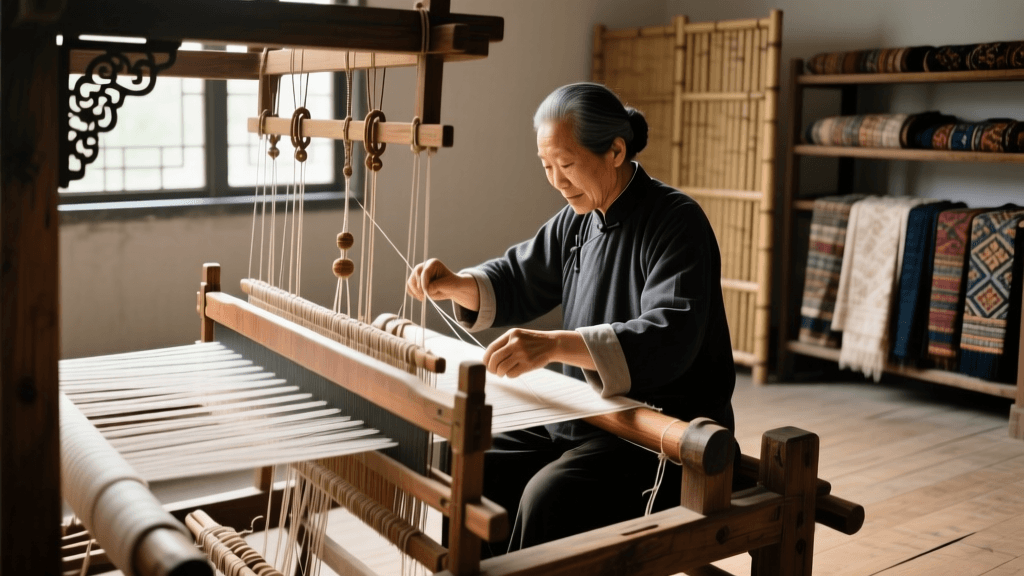
In 2026, global fashion media has shifted its focus from the mere visual aesthetics of the garment to its incredible craftsmanship. Editorial features now highlight the complex zhuanghua (brocade weaving) and k'o-ssu (silk tapestry) techniques required to create authentic patterns. The Victoria and Albert Museum's Asian textile archives have been frequently cited in recent fashion journalism to educate readers on the distinction between mass-produced printed imitations and genuine jacquard-woven masterpieces. This educational pivot in fashion media has empowered consumers to demand authenticity, driving a surge in ethical, artisan-led Hanfu brands.
Deconstructing the Mamianqun: 2026 Media vs. Tradition
Fashion editors in 2026 are carefully distinguishing between historically accurate Hanfu and modern runway adaptations. Below is a breakdown of how the garment is being interpreted in contemporary media compared to its traditional roots.
| Feature | Traditional Ming/Qing Dynasty | 2026 Global Runway Adaptation |
|---|---|---|
| Waistband | White cotton or linen, tied with fabric sashes | Structured grosgrain, elasticized hidden panels, or metal-clasp belts |
| Fabric | Heavy silk brocade, damask, or woven jacquard | Lightweight crepe, metallic-thread blends, and sustainable Tencel-jacquard |
| Pleating | Sharp, heat-set knife pleats, often un-stitched at the top | Laser-cut pleats, permanent heat-pressed synthetics, or stitched-down top pleats |
| Length | Floor-sweeping or ankle-grazing | Midi, tea-length, and asymmetrical hemlines for editorial styling |
| Fastening | Wrap-around with tie strings | Hidden zippers, hook-and-eye closures, or snap buttons for modern ease |
How to Style the Mamianqun for the Modern Wardrobe
The true triumph of the Mamianqun in 2026 is its versatility. Global style directors are no longer pairing it exclusively with traditional tops; instead, they are utilizing it as a statement bottom that anchors contemporary outfits. Here are three actionable, media-approved styling formulas for the current year.
1. The Corporate Power Blend
For a commanding office look, pair a mid-calf length, solid-color or subtly patterned Mamianqun with a sharply tailored, oversized blazer. The contrast between the structured shoulders of the blazer and the fluid, kinetic movement of the skirt's pleats creates a striking silhouette. Opt for a skirt in deep jewel tones—such as sapphire blue or emerald green—woven with subtle metallic threads. Finish with pointed-toe leather boots to maintain a professional, grounded aesthetic.
2. Evening Elegance and Haute Couture
For galas or evening events, fashion media recommends leaning into the garment's luxurious origins. Choose a floor-length Mamianqun crafted from authentic xiangyunsha (gambiered Canton gauze) or heavy Song brocade. Pair it with a fitted, high-neck cashmere or silk turtleneck tucked seamlessly into the waistband. The key to this look is allowing the intricate motifs of the skirt—often featuring auspicious clouds, dragons, or floral patterns—to serve as the sole focal point of the ensemble.
3. Streetwear Edge
The street style photographers of 2026 have captured countless influencers pairing cotton-blend or denim Mamianqun skirts with graphic tees, oversized leather moto jackets, and chunky sneakers. This high-low approach democratizes the garment, proving that traditional Asian silhouettes can seamlessly integrate into urban, everyday fashion. When attempting this look, ensure the skirt's waistband sits securely at the natural waist to prevent the heavy pleats from dragging down the outfit's proportions.
Sourcing Authentic Pieces: 2026 Buyer's Guide
As demand has skyrocketed, the market has become saturated with varying qualities of Mamianqun. Navigating this landscape requires an understanding of textile value and artisan craftsmanship. According to ongoing market analyses by the Business of Fashion covering China's luxury and heritage market, consumers are increasingly willing to invest in heritage pieces that guarantee ethical production and authentic weaving techniques.
Entry-Level: Machine-Woven Blends ($80 - $150)
At this price point, you will find skirts made from polyester-cotton blends with printed or machine-jacquard patterns. While they lack the luster and drape of pure silk, they are durable, machine-washable, and excellent for daily wear or street-style experimentation. Look for brands that prioritize precise pleat-setting to ensure the 'horse face' panels remain flat and aligned.
Mid-Tier: Authentic Hanfu Brands ($200 - $550)
This is the sweet spot for enthusiasts seeking historical accuracy without crossing into haute couture pricing. Established Hanfu brands utilize silk-cotton blends, authentic brocade weaving, and traditional tie-fastenings. The motifs are woven directly into the fabric rather than printed on top. At this tier, you can expect meticulous finishing, including reinforced waistbands and perfectly symmetrical pleat spacing.
Luxury and Artisan: Hand-Loomed Masterpieces ($800 - $3,000+)
For collectors and high-fashion consumers, luxury Mamianqun skirts feature hand-loomed silk, genuine gold or silver thread weaving, and bespoke sizing. These pieces are often commissioned directly from master weavers in regions like Suzhou or Hangzhou. They are investment-grade garments that require specialized care and are typically reserved for ceremonial wear, high-profile editorials, or red-carpet events.
Textile Care and Maintenance
Proper care is essential to maintain the structural integrity of the Mamianqun's pleats and the vibrancy of its woven threads. For authentic silk brocade skirts, dry cleaning is the only recommended method. However, to preserve the sharpness of the pleats between wears, store the skirt flat or rolled, never hung, as the weight of the fabric can stretch the waistband and distort the pleat lines over time. When ironing is necessary, use a low-heat steam setting and always place a pressing cloth between the iron and the delicate jacquard surface to prevent scorching the metallic or silk threads.
The Future of Cultural Appreciation in Fashion
The prominence of the Mamianqun in 2026 global fashion media represents a broader, highly positive shift in the industry. We are witnessing a maturation of cultural appreciation, where the origins, techniques, and historical significance of Asian garments are respected and accurately credited. By choosing to invest in authentic pieces, styling them with modern intentionality, and supporting artisan weavers, global consumers are helping to ensure that the rich tapestry of Asian traditions continues to thrive and evolve on the world stage.