Mamianqun and Hanbok 2026 Global Fashion Media Trends
The Renaissance of Asian Silhouettes in 2026 Editorials
Global fashion media in 2026 is no longer merely borrowing superficial motifs from Asian traditions; it is engaging in a deep, structural dialogue with them. Publications like Vogue, Harper's Bazaar, and Elle have dedicated entire Spring/Summer 2026 editorial spreads to the seamless integration of the Chinese Mamianqun (horse-face skirt) and the Korean Hanbok into everyday high-fashion wardrobes. This shift represents a maturation in global fashion journalism, moving away from cultural appropriation and toward a profound appreciation of garment architecture. According to the Victoria and Albert Museum's Asian collections, the structural integrity of traditional Asian textiles has historically influenced Western tailoring, but 2026 marks the definitive year where these garments are taking center stage in global media without being stripped of their cultural context or historical significance.
For fashion enthusiasts, collectors, and stylists, understanding how these traditional garments are being framed by top-tier media in 2026 is essential. It provides a roadmap for incorporating these pieces into a modern wardrobe with authenticity, respect, and cutting-edge style. This comprehensive guide explores the specific styling techniques, fabric choices, and editorial trends defining the Mamianqun and Hanbok in the current fashion landscape.
The Mamianqun: Architectural Pleats in 2026 Editorials
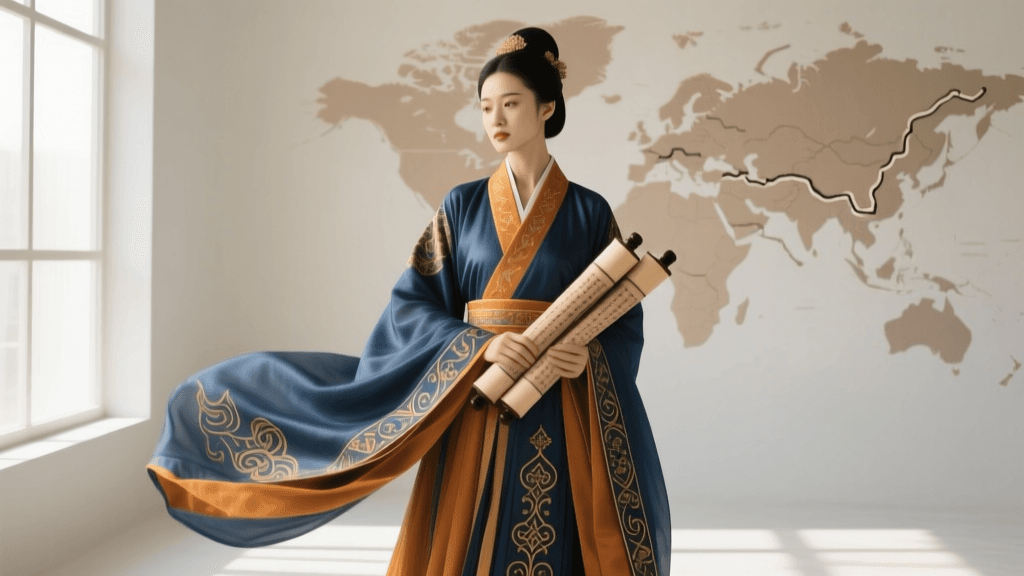
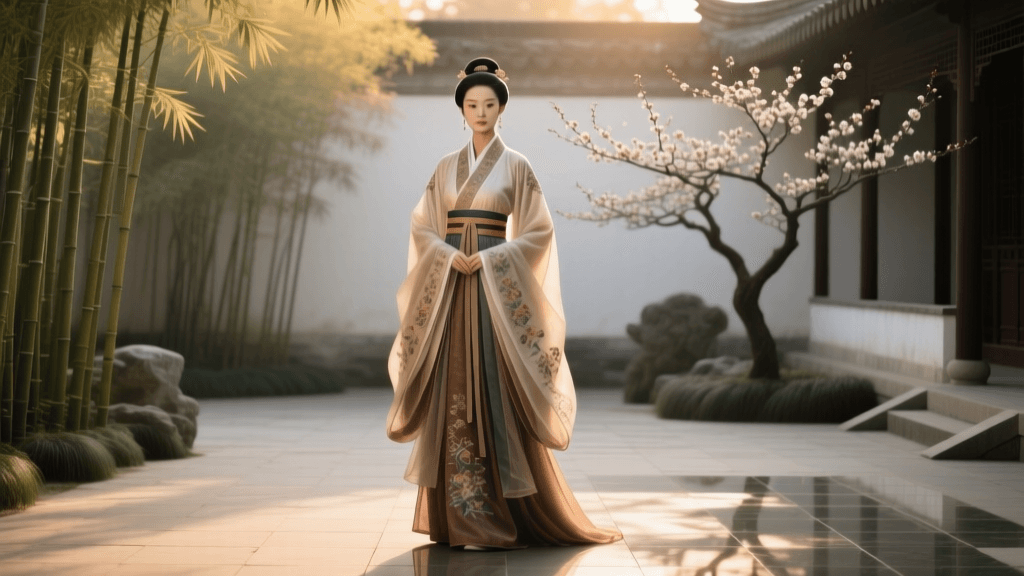
The Mamianqun, characterized by its flat front and back panels with intricate side pleats, has become a darling of 2026 high-fashion editorials. Originally popularized during the Ming Dynasty, the skirt's architectural brilliance lies in its ability to remain flat and structured while allowing for dynamic movement. As documented in the Metropolitan Museum of Art's historical archives on Chinese dress, the pleating techniques used in traditional Chinese garments required immense mathematical precision and textile mastery. Today, fashion editors are highlighting this precision by pairing heavy, structured Mamianqun with minimalist, contemporary tops to create a striking visual contrast.
Media-Approved Fabrics for the Modern Mamianqun
In 2026, the fashion media has largely moved away from cheap, mass-produced polyester replicas, favoring heritage textiles that photograph beautifully and drape authentically. The top fabrics featured in this year's editorials include:
- Xiangyunsha (Gambiered Canton Gauze): This mud-silk is the undisputed star of 2026 summer editorials. Its subtle, leathery sheen and breathable nature make it perfect for warm-weather styling. Editors are pairing black Xiangyunsha Mamianqun with crisp, oversized white poplin button-downs.
- Song Brocade (Songjin): For autumn and winter spreads, fashion magazines are featuring heavy Song brocade. The intricate, flat-weave patterns catch the studio lighting beautifully, and stylists are layering these skirts with chunky, oversized cashmere turtlenecks and structured leather blazers.
- Raw Ramie Blends: For a more avant-garde, deconstructed editorial look, raw ramie provides a stiff, paper-like texture that holds the pleats rigidly, creating dramatic silhouettes in high-contrast black-and-white photography.
The Modern Hanbok: Redefining Proportions on the Runway
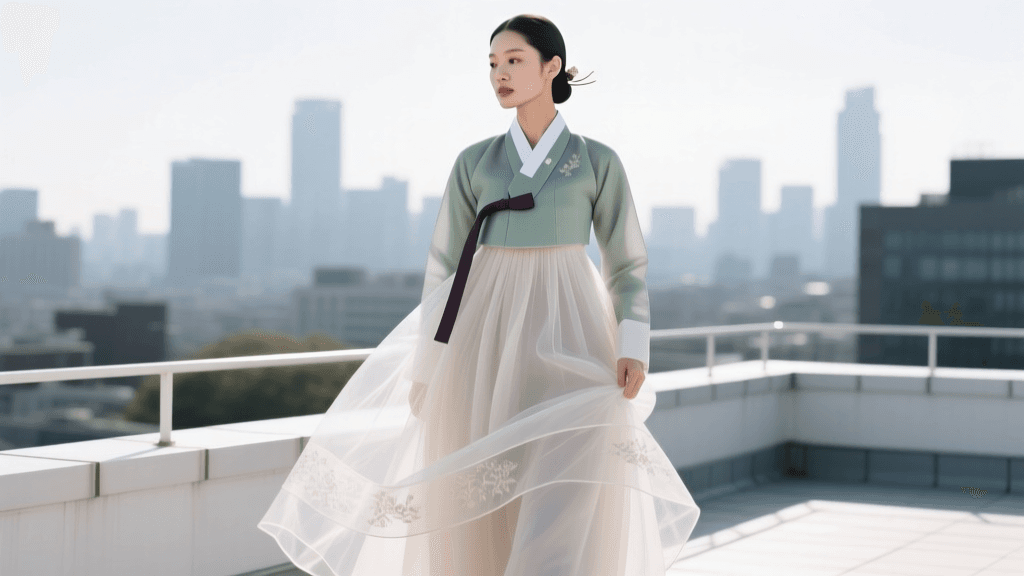
While the Mamianqun dominates street-style editorials, the Korean Hanbok has claimed the high-fashion runway and avant-garde magazine covers in 2026. The traditional Hanbok, consisting of the Jeogori (jacket) and Chima (skirt) for women, is celebrated for its fluid lines and voluminous proportions. In 2026, global fashion media is obsessed with the "deconstructed" Hanbok, where traditional elements are exaggerated or reimagined using modern tailoring techniques.
Exaggerating the Baerae and Dongjeong
The baerae (the curved, sweeping sleeve of the Jeogori) and the dongjeong (the stiff, white detachable collar) are the focal points of 2026 Hanbok editorials. Stylists are working with contemporary Korean designers to elongate the baerae, creating dramatic, floor-sweeping sleeves that look spectacular in motion-captured editorial videos. The dongjeong, traditionally a symbol of purity and structure, is being widened and stylized, sometimes rendered in contrasting black silk or metallic threads to frame the face sharply for close-up beauty and fashion portraits.
Furthermore, the Fashion Institute of Technology Museum has frequently highlighted how traditional Asian garments challenge Western concepts of the body-conforming silhouette. The 2026 Hanbok editorials embrace this philosophy, utilizing the voluminous Chima to create bell-shaped, architectural silhouettes that completely obscure the natural waistline, offering a powerful, commanding presence in editorial photography.
2026 Editorial Styling Matrix: Traditional Garments in Modern Contexts
To help you translate these high-fashion editorial concepts into your own wardrobe, we have compiled a styling matrix based on the most prominent 2026 magazine spreads. This table outlines the specific garment, the editorial styling technique, recommended modern pairings, and the expected investment for authentic pieces.
| Garment | 2026 Media Styling Technique | Recommended Modern Pairing | Estimated 2026 Cost (Authentic) |
|---|---|---|---|
| Xiangyunsha Mamianqun | High-contrast minimalism; emphasizing the skirt's sheen against matte fabrics. | Oversized matte cotton poplin shirt, wide leather belt over the shirt (not the skirt). | $250 - $450 |
| Song Brocade Mamianqun | Textural layering; mixing heavy historical weaves with modern knits. | Fine-gauge merino wool turtleneck, tailored wool overcoat, pointed-toe leather boots. | $300 - $600 |
| Modern Ramie Hanbok Chima | Avant-garde volume; allowing the skirt to dictate the entire silhouette. | Structured, cropped architectural blazer, minimalist silk camisole. | $200 - $400 |
| Silk Jeogori (Exaggerated Baerae) | Fluid motion; styling for dynamic, sweeping photography. | High-waisted, wide-leg tailored trousers, sleek leather mules. | $180 - $350 |
Sourcing and Styling: Actionable Advice for the 2026 Wardrobe
Replicating the looks seen in 2026 global fashion media requires a discerning eye for quality and an understanding of traditional construction. The market is flooded with fast-fashion imitations, but true editorial style demands authenticity. Here is how to source and style these garments correctly.
Sourcing Authentic Pieces
For the Mamianqun, look for artisans and specialized boutiques based in Suzhou and Hangzhou, which remain the epicenters of silk weaving and embroidery in 2026. When shopping online, verify that the pleats are heat-set or hand-stitched at the waistband to prevent them from falling out. A genuine Mamianqun will have a flat front and back panel (the "horse face") that is entirely devoid of pleats, with all the fullness concentrated in the side pleats. For the Hanbok, seek out contemporary ateliers in Seoul's Bukchon Hanok Village or specialized global boutiques that collaborate directly with Korean heritage weavers. Ensure the Chima features traditional gathering techniques at the waistband rather than modern cartridge pleating, which alters the historical drape.
Precise Measurements and Fit
Traditional garments do not follow modern Western sizing charts. To achieve the exact proportions seen in 2026 editorials, you must take specific measurements:
- Mamianqun Length: The 2026 editorial standard is a "grazing" length. Measure from your natural waist to exactly 2 centimeters above the floor. For a standard height of 165cm, this usually translates to a skirt length of 95cm to 98cm. This prevents the hem from dragging while maintaining a dramatic, floor-sweeping illusion.
- Mamianqun Waist: Measure your natural waist tightly. Traditional skirts use a fabric waistband that ties, so add 15cm to your exact waist measurement to allow for the overlap and tying mechanism.
- Hanbok Chima Placement: The Chima must sit significantly higher than a Western skirt. Measure from just below your bust line (the empire waist) down to your desired hemline. Wearing it at the natural waist will ruin the traditional bell silhouette and look disproportionate in photographs.
Garment Care and Preservation
Maintaining the structural integrity of these garments is crucial for preserving their editorial appeal. Xiangyunsha silk, due to its mud-dyeing process, should never be machine washed or aggressively wrung. In 2026, the recommended care protocol is gentle hand-washing in cool water with a pH-neutral silk detergent, followed by flat drying in the shade. Direct sunlight will degrade the unique gambiered finish. For Song brocade and heavily embroidered pieces, professional dry cleaning with a specialist who understands heritage textiles is mandatory. Always store your Mamianqun flat or loosely rolled; hanging it for long periods will stretch the waistband and distort the meticulously crafted side pleats.
Conclusion
The integration of the Mamianqun and Hanbok into 2026 global fashion media represents a triumph of cultural appreciation and sartorial innovation. By understanding the historical context, selecting authentic heritage fabrics, and applying precise editorial styling techniques, you can seamlessly incorporate these magnificent Asian traditions into your modern wardrobe. As the fashion world continues to look East for structural and aesthetic inspiration, mastering the art of styling these garments ensures you remain at the absolute forefront of global fashion.