Mamianqun in 2026 Fashion Media: Authentic Styling Guide
The Rise of the Mamianqun in 2026 Global Fashion Media
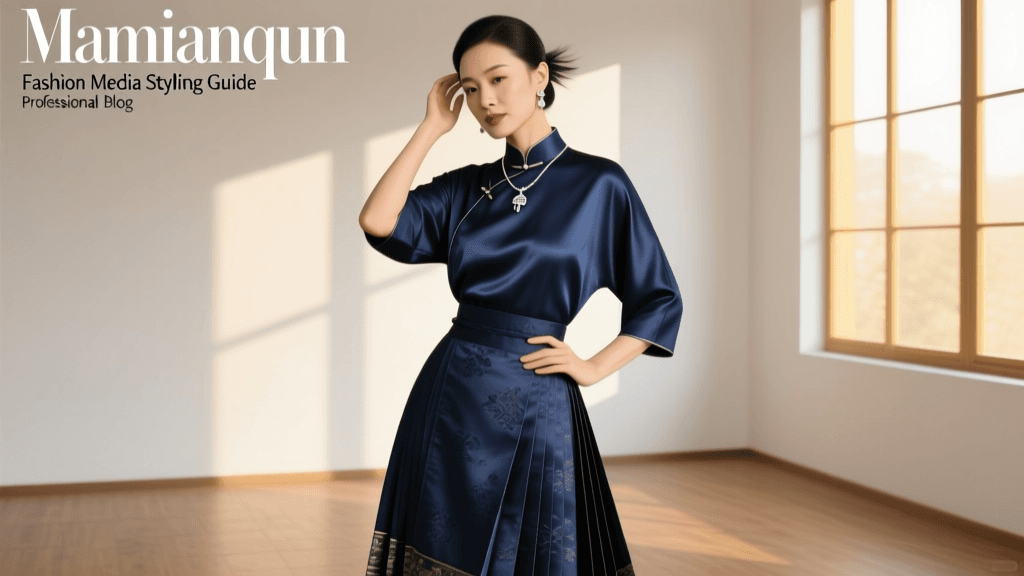
The global fashion landscape in 2026 has witnessed a profound and necessary correction in how traditional Asian garments are represented on editorial pages and runways. At the forefront of this movement is the Mamianqun (horse-face skirt), a structural masterpiece of the Ming Dynasty that has transitioned from a niche historical revival to a staple in high-fashion editorials across Vogue, Harper's Bazaar, and Elle. Unlike the cultural missteps of the early 2020s—where Western luxury houses faced severe backlash for appropriating the skirt's distinct silhouette without attribution—2026's fashion media has embraced a model of authentic collaboration. Today, top-tier stylists are working directly with heritage Hanfu brands, ensuring that the cultural lineage of the garment is respected, accurately named, and beautifully integrated into modern global wardrobes.
According to cultural analysts tracking the Hanfu movement, the grassroots push for historical accuracy has fundamentally changed how international fashion desks approach Asian traditional dress. As noted by BBC Culture, the modern Hanfu revival is driven by a young, digitally native generation demanding both aesthetic beauty and historical integrity. In 2026, this demand has forced global fashion media to elevate their editorial standards, moving away from generic Orientalist styling and toward precise, historically informed fashion journalism.
Anatomy of the Mamianqun: What Global Media Often Misses
To truly appreciate the Mamianqun as featured in 2026's top editorials, one must understand its unique architectural construction. The skirt is not merely a pleated garment; it is an engineering marvel of traditional Chinese textiles. It consists of two overlapping fabric panels that create flat, unpleated sections at the front and back (the "horse faces"), while the sides feature deep, structured pleats (known as guang). This design allowed for ease of movement, particularly for horseback riding, while maintaining a dignified, streamlined silhouette when standing still.
Unfortunately, fast-fashion interpretations frequently misrepresent these structural nuances. Below is a comparison chart to help you distinguish between authentic heritage pieces and mass-market imitations often mislabeled in Western media.
| Feature | Authentic Heritage Mamianqun | Fast-Fashion "Pleated Midi" Imitation |
|---|---|---|
| Waistband | Wide, flat cotton/linen waistband with traditional tie closures. | Elasticated or zippered waistband with hook-and-eye closures. |
| Pleat Structure | Flat front and back panels; deep, heat-set or stitched side pleats. | Continuous accordion pleats all the way around the skirt. |
| Overlapping Panels | Two distinct overlapping layers that prevent gaping when walking. | Single continuous layer of fabric. |
| Textile & Motifs | Woven jacquard or brocade with auspicious Ming-style motifs (e.g., florals, mythical beasts). | Printed polyester with generic, often culturally inaccurate patterns. |
Key 2026 Editorial Collaborations to Watch
This year's most celebrated fashion spreads have been those that credit their sources. Leading the charge are heritage brands like Minghuatang and Shisanyu, which have transitioned from domestic Taobao powerhouses to globally recognized names featured in Paris and Milan showrooms. In the Spring/Summer 2026 issues of major fashion publications, we are seeing these brands credited not just as wardrobe providers, but as co-creators of the editorial vision.
Stylists are now pairing the heavy, structured jacquard of a traditional Ming-style Mamianqun with contemporary minimalist tailoring. This juxtaposition highlights the skirt's architectural beauty without reducing it to a costume. The Victoria and Albert Museum's extensive Chinese textile archives frequently highlight the complexity of these historical weaves, and modern heritage brands are utilizing advanced digital jacquard looms to replicate these museum-quality textiles at accessible price points for the 2026 consumer.
How to Style the Mamianqun for Modern Wardrobes
Drawing inspiration from 2026's global street style and high-fashion editorials, here is actionable advice on integrating the Mamianqun into a contemporary wardrobe without losing its cultural essence:
- The Structured Blazer Pairing: Contrast the fluid, pleated sides of the skirt with a sharply tailored, oversized wool blazer. This grounds the traditional garment in modern power dressing. Opt for a solid-colored blazer to let the intricate woven motifs of the skirt take center stage.
- Knitwear Tucking: For a softer, editorial approach, pair a high-waisted Mamianqun with a fine-gauge merino wool turtleneck or a cropped cashmere cardigan. Tucking the knitwear into the wide waistband emphasizes the skirt's unique silhouette and elongates the legs.
- Footwear Choices: While traditional embroidered shoes are beautiful for ceremonies, 2026 street style favors chunky leather loafers, sleek Chelsea boots, or classic Mary Janes. The slight elevation of a block heel helps the heavy hem of the jacquard fabric drape perfectly without dragging on the ground.
- Outerwear Layering: In cooler months, the Mamianqun pairs exceptionally well with longline wool coats or modern interpretations of the traditional Pifeng (a sleeveless vest or open-front cloak). Avoid overly bulky puffer jackets, which can obscure the waistband structure and disrupt the skirt's elegant A-line flow.
Sourcing Authentic Pieces in 2026
If you are inspired by this year's fashion media to add a Mamianqun to your collection, it is vital to support authentic makers. The market is flooded with cheap knockoffs, but genuine heritage brands offer unparalleled quality. In 2026, brands like Minghuatang, Shisanyu, and Zhongling offer international shipping via their global storefronts or dedicated cross-border logistics partners.
Expect to invest between $80 and $250 for a high-quality, woven jacquard Mamianqun from a reputable heritage brand. Pieces featuring genuine silk-blend brocades or hand-finished details from artisan collectives can range from $300 to over $600. Always check the fabric composition: authentic pieces will list polyester-cotton blends for durable daily wear, or silk-viscose blends for a luxurious drape, rather than the flimsy 100% thin polyester used in fast-fashion costumes.
When verifying authenticity, examine the reverse side of the fabric. True woven jacquard will show a mirrored, albeit looser, version of the pattern on the back, whereas printed imitations will simply show a blank or solid-colored reverse side. Additionally, engaging with global Hanfu communities on platforms like Reddit and Discord can provide real-time reviews of emerging heritage brands and their international shipping reliability in 2026.
Care and Maintenance for Woven Jacquard
Proper care is essential to maintain the structural integrity of the pleats and the brilliance of the woven threads. The Metropolitan Museum of Art's historical exhibitions on Chinese fashion have long showcased the durability of these textiles when properly maintained. For your modern pieces:
- Washing: Never machine wash a Mamianqun. The agitation will destroy the heat-set pleats and cause the overlapping panels to tangle. Hand wash gently in cold water with a pH-neutral silk detergent, or opt for professional dry cleaning for silk-blend pieces.
- Drying: Do not wring the fabric. Gently press out excess water and hang the skirt on a padded hanger in the shade. The weight of the wet jacquard will naturally help pull the pleats back into alignment as it dries.
- Ironing: If the pleats lose their sharpness, use a garment steamer rather than a direct iron. If you must iron, use a low-heat setting with a cotton pressing cloth to avoid flattening the raised jacquard motifs or scorching synthetic blends.
- Storage: Unlike Western pleated skirts that are often hung, heavy Mamianqun are best stored folded along their natural pleat lines in a breathable cotton garment bag. If you must hang them, use a skirt hanger with wide, padded clips to avoid leaving marks on the delicate waistband ties.
The Future of Asian Traditions in Global Media
The prominent, respectful featuring of the Mamianqun in 2026's global fashion media is a triumph for cultural preservation and sartorial innovation. It proves that traditional Asian garments do not need to be diluted or Westernized to be relevant on the world stage. By understanding the garment's history, supporting authentic heritage brands, and styling it with modern intentionality, fashion enthusiasts can participate in a global dialogue that honors the past while designing the future. As we move through 2026, the Mamianqun stands not just as a skirt, but as a testament to the enduring power of authentic cultural expression in high fashion.