Mamianqun In 2026 Global Fashion Media: Editorial Styling
The 2026 Editorial Renaissance of the Mamianqun
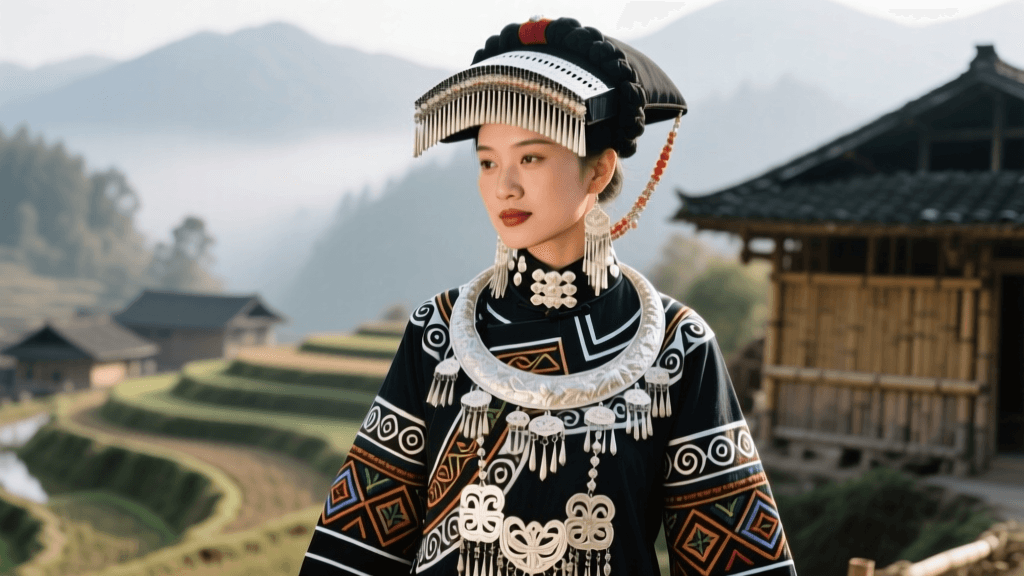
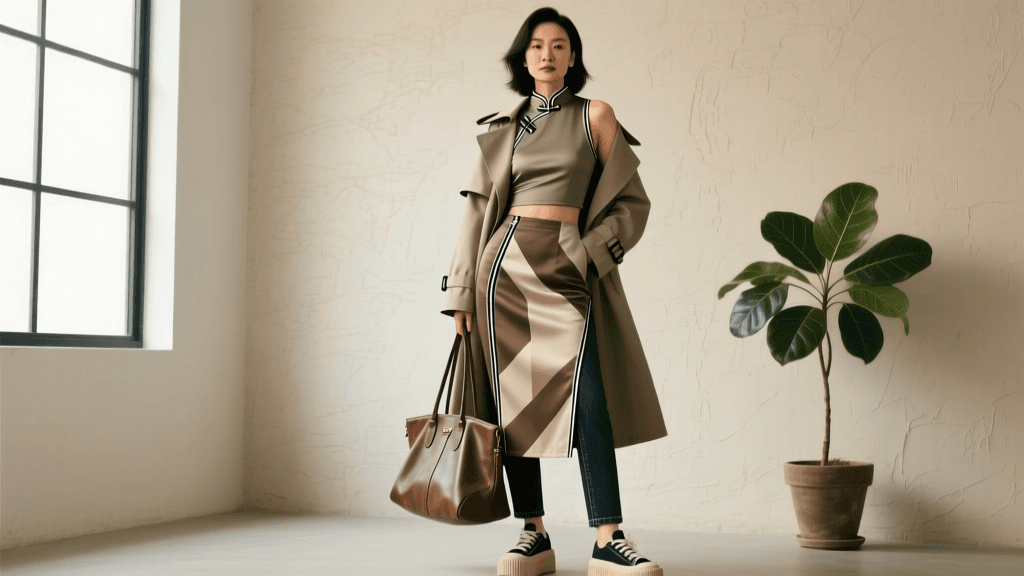
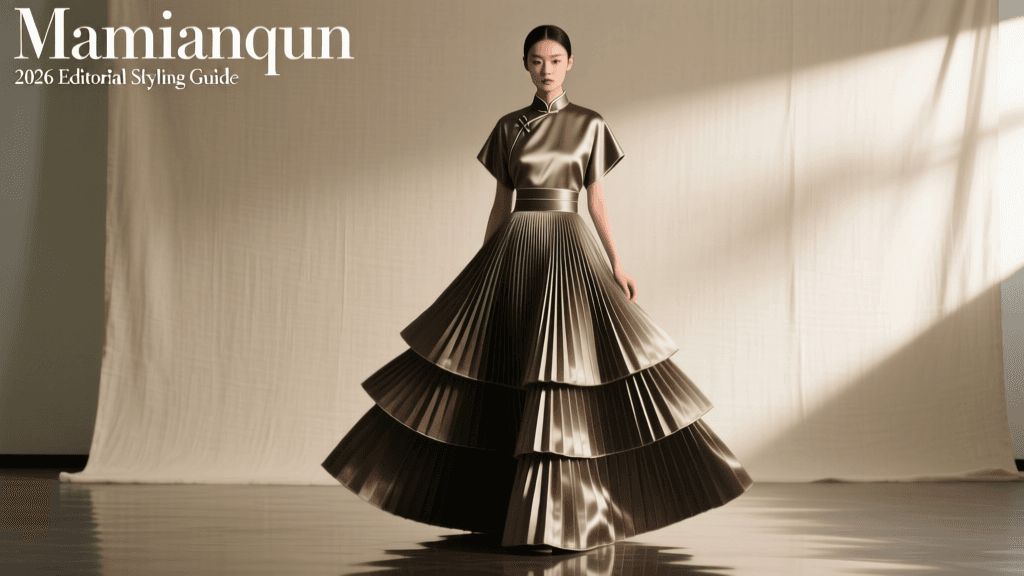
The global fashion media landscape of 2026 has undeniably shifted its gaze toward the rich, structural elegance of traditional Asian garments. Among the most prominent silhouettes dominating the editorial pages of Vogue, Harper's Bazaar, and Elle this year is the Mamianqun, commonly known as the horse-face skirt. Originating in the Song Dynasty and reaching its zenith during the Ming Dynasty, this iconic piece of Hanfu has transcended its historical roots and niche subculture status to become a formidable presence in high-fashion editorial styling. In 2026, top-tier fashion editors are no longer treating the Mamianqun as a mere costume piece; instead, they are deconstructing its architectural pleats and luxurious brocades to create avant-garde, contemporary haute couture narratives.
This editorial renaissance is deeply rooted in a broader cultural appreciation that has matured significantly over the last few years. According to The Metropolitan Museum of Art's Heilbrunn Timeline of Art History, the structural complexity of Chinese dress has always reflected deep societal and philosophical values. Today's fashion media leverages this historical weight, pairing Ming Dynasty weaving techniques with modern Western tailoring to produce striking visual contrasts on the runway and in print. For stylists, collectors, and fashion enthusiasts, understanding how to source, style, and maintain these garments in 2026 is essential for participating in this global sartorial conversation.
Deconstructing the Silhouette: What Fashion Editors Look For
To style the Mamianqun for a 2026 editorial shoot, one must first understand its unique anatomical construction. Unlike Western circle or pencil skirts, the Mamianqun is a wrap skirt characterized by two flat, overlapping panels at the front and back (the 'horse faces'), with heavily pleated fabric on the sides. This design was originally intended for ease of movement while horseback riding, but in the context of modern fashion photography, it offers unparalleled kinetic energy. When a model walks or spins, the side pleats fan out dramatically, while the flat front panel provides a stable canvas for intricate embroidery, woven motifs, or bold styling accessories.
In 2026, fashion editors are particularly drawn to the zhijin (gold-woven) and zhuanghua (woven velvet/brocade) textiles used in premium Mamianqun. The interplay of light on these metallic and textured threads translates beautifully through the camera lens. Furthermore, the rigid, structured waistband (yaolan) provides a natural corset-like effect, allowing stylists to play with extreme proportions, such as pairing the voluminous skirt with hyper-fitted, architectural bodices or oversized, slouchy outerwear.
The 2026 Editorial Styling Matrix
Global fashion publications have categorized the styling of the Mamianqun into three distinct editorial themes this year. Below is a breakdown of how top stylists are pairing this traditional garment for high-impact media spreads.
| Editorial Theme | Top Pairing | Footwear | Textile Focus | Media Vibe |
|---|---|---|---|---|
| Avant-Garde Corporate | Structured Wool Blazer, Cinched Belt | Pointed-Toe Leather Mules | Wool-blend Zhuanghua | Vogue Business |
| Ethereal Romantic | Silk Corset Bustier, Sheer Gloves | Embroidered Silk Flats | Silk Zhijin Brocade | Harper's Bazaar |
| Streetwear Fusion | Oversized Leather Moto Jacket | Chunky Platform Combat Boots | Heavy Crepe De Chine | Elle Street |
Avant-Garde Corporate
This look bridges the gap between historical formality and modern boardroom power. By pairing a dark, woven Mamianqun with a sharply tailored, broad-shouldered wool blazer, stylists create a silhouette that commands authority. The flat front panel of the skirt is often accented with a minimalist, architectural metal belt, grounding the traditional garment in 2026's neo-minimalist trend.
Ethereal Romantic
Leaning into the skirt's flowing side pleats, this editorial direction utilizes lightweight silk and metallic gold threads. Paired with a structured corset bustier, the contrast between the rigid bodice and the fluid, cascading pleats creates a romantic, almost cinematic tension. This styling is a favorite for sunset location shoots and high-society gala features.
Streetwear Fusion
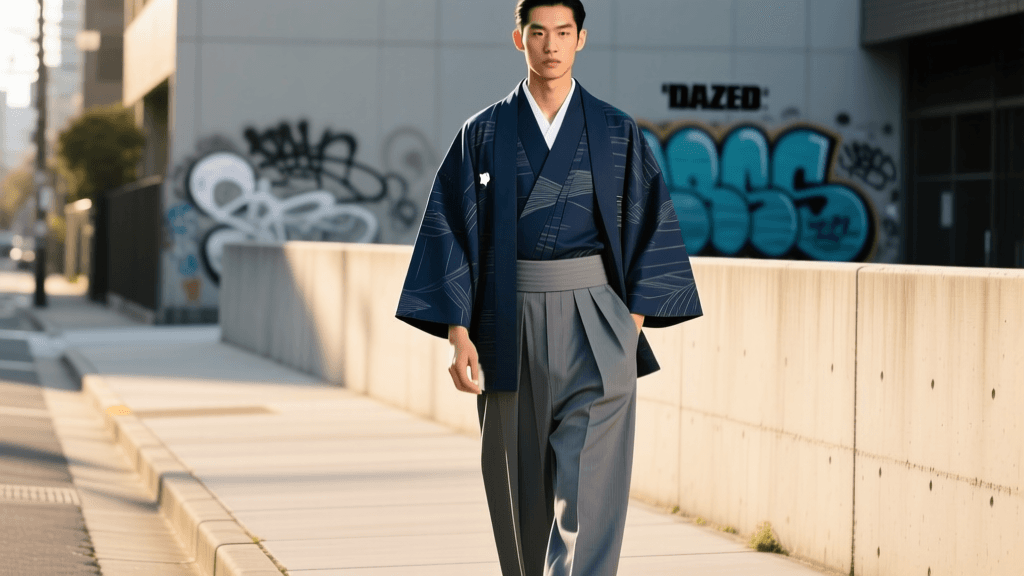
The most disruptive trend in 2026 fashion media is the collision of Ming Dynasty elegance with gritty, utilitarian streetwear. A heavy, matte-finish Mamianqun worn with a distressed leather motorcycle jacket and chunky boots challenges the delicate stereotypes of traditional Asian dress, presenting it as resilient, urban, and fiercely modern.
Sourcing Haute-Couture Grade Hanfu in 2026
For readers and stylists looking to acquire editorial-grade Mamianqun, the 2026 market offers a distinct hierarchy of brands, ranging from accessible mid-tier labels to museum-quality haute couture houses. The global supply chain for authentic Hanfu has matured, with international shipping and bespoke tailoring now standard for top-tier brands.
- Minghuatang (Haute Couture): Widely considered the pinnacle of modern Ming Dynasty reproduction, Minghuatang's 2026 collections feature proprietary silk-blend brocades and real gold-leaf threading. Prices for a single Mamianqun from this house range from $800 to over $2,500 USD. Lead times for bespoke pleating and weaving can take up to 90 days, making it the exclusive choice for high-budget editorial features.
- Shisanyu (Mid-Tier Editorial): Offering exceptional value without sacrificing visual impact, Shisanyu's 2026 spring line focuses on plant-dyed, sustainable textiles. Their Mamianqun typically range from $150 to $350 USD. While they use high-quality synthetic blends and jacquard weaves rather than pure gold thread, their skirts photograph beautifully and are a staple for commercial fashion editorials.
- Independent Artisans on Taobao/Global Platforms: The 2026 boom has seen a rise in independent weavers utilizing smart-loom technology to create custom, small-batch Mamianqun. Prices vary wildly ($100 - $600 USD), but they offer the unique advantage of custom waist sizing and bespoke colorways tailored to specific editorial mood boards.
When sourcing for media, it is crucial to verify the 'drop' or 'swing' weight of the fabric. A skirt that is too light will not hold its pleats in the wind, while one that is too heavy will lack the kinetic movement required for dynamic photography.
Garment Care: Maintaining Editorial Pleats on Set
The defining feature of the Mamianqun is its crisp, knife-sharp side pleats. Maintaining these pleats during a chaotic 2026 fashion shoot requires specific, actionable garment care techniques. Unlike Western pleated skirts that are permanently heat-set in factories, many high-end Hanfu skirts rely on the natural memory of the silk or wool fibers, requiring meticulous on-set maintenance.
Step-by-Step On-Set Pleat Maintenance
- Preparation: Never hang a Mamianqun by the waistband on set, as the weight of the heavy brocade will stretch the fibers and distort the pleats. Always store the skirt flat or gently folded over a padded hanger.
- Steaming vs. Ironing: Avoid direct contact with a standard iron, as the high heat will crush the metallic threads (zhijin) and cause irreversible shine on silk blends. Instead, use a professional-grade garment steamer with a brush attachment to gently coax the pleats back into alignment.
- The Clamping Technique: For razor-sharp editorial pleats, stylists in 2026 utilize wooden pleat-clamps or heavy binder clips lined with felt. After lightly steaming the side panels, clamp the pleats down and allow the garment to cool and dry completely before removing the clips. This locks the fibers into place without applying destructive direct heat.
- Static Control: The friction of heavy brocade against modern synthetic linings often generates static, which causes the pleats to cling awkwardly to the model's legs. Apply a specialized, non-staining anti-static spray to the inner lining of the skirt 15 minutes before shooting to ensure the fabric cascades naturally.
Cultural Context and Media Responsibility
As the Mamianqun continues to permeate global fashion media in 2026, the conversation surrounding cultural appreciation versus appropriation remains vital. Early in the decade, the fashion industry faced severe backlash when Western luxury houses attempted to claim the horse-face skirt silhouette as their own original design. Today, the media landscape is vastly different. Top-tier publications now rigorously credit the Ming Dynasty origins of the garment and frequently collaborate with Hanfu historians and Chinese cultural consultants to ensure accurate representation.
Institutions like the Victoria and Albert Museum's extensive Asian textile archives have played a pivotal role in educating global designers on the historical significance of these weaves, ensuring that when a Mamianqun graces the cover of a 2026 fashion magazine, it is celebrated as a masterpiece of Asian heritage rather than a fleeting, exoticized trend. For the modern consumer and stylist, engaging with the Mamianqun means engaging with its history—understanding the symbolism of the woven motifs, respecting the complexity of the loom, and honoring the culture that preserved this magnificent silhouette for centuries.
Ultimately, the 2026 editorial styling of the Mamianqun represents a triumph of cross-cultural sartorial dialogue. It proves that traditional Asian garments are not static relics confined to museum glass, but living, breathing works of art that continue to inspire, challenge, and elevate the global fashion narrative.