Lotus Silk vs Ahimsa Silk: 2026 Bridal Textile Guide
Introduction to Sustainable Asian Luxury Textiles in 2026
The landscape of Asian traditional garments is undergoing a profound transformation in 2026. Brides, grooms, and fashion connoisseurs are no longer just looking at the aesthetic appeal of a Kanchipuram saree, a modern Hanbok, or a bespoke Cheongsam; they are scrutinizing the very fibers that compose these masterpieces. As the global fashion industry pivots toward eco-conscious luxury, two extraordinary textiles have risen to the forefront of Asian ceremonial wear: Lotus Silk and Ahimsa (Peace) Silk. Both offer a compelling alternative to conventional mulberry silk, yet they possess vastly different characteristics, origins, and applications. This comprehensive 2026 guide breaks down the nuances of these sustainable fabrics, helping you make an informed choice for your next traditional garment.
What is Lotus Silk?
Lotus silk is one of the rarest and most labor-intensive natural fibers in the world. Harvested primarily from the stems of the Nelumbo nucifera (sacred lotus) plant in the waterways of Myanmar's Inle Lake and Vietnam's Mekong Delta, this textile is a marvel of artisanal engineering. To produce lotus silk, artisans must carefully snap the lotus stems and extract the delicate, microscopic fibers hidden within. These fibers are then rolled together and spun into yarn while still wet to prevent breaking.
The resulting fabric is highly unique. Unlike the high-gloss sheen of traditional silk, lotus silk possesses a matte finish and a texture that closely resembles raw linen or soft cotton. It is exceptionally breathable, naturally stain-resistant, and possesses a subtle, earthy elegance. In 2026, lotus silk has become the ultimate status symbol for brides seeking a lightweight, structured, and entirely cruelty-free textile for summer ceremonies.
What is Ahimsa (Peace) Silk?
Ahimsa silk, widely known as peace silk, was pioneered in India as a non-violent alternative to conventional silk production. In traditional sericulture, silkworms are boiled alive inside their cocoons to preserve the continuity of the silk filament. Ahimsa silk, however, allows the Samia ricini or Bombyx mori moth to complete its metamorphosis and naturally pierce the cocoon to emerge. Because the cocoon is broken, the silk filaments are shorter and must be spun rather than reeled, resulting in a fabric with a slightly textured, 'slubbed' appearance.
According to detailed historical and modern textile records, such as those documenting Ahimsa silk, this method aligns perfectly with the principle of non-violence (Ahimsa) found in several South Asian philosophies. The fabric retains the thermal regulation and luxurious drape of traditional silk but offers a more muted luster and a softer, warmer hand-feel. It has become a staple in the 2026 South Asian bridal market, particularly for heavy, embroidered lehengas and intricately woven sarees.
Head-to-Head Comparison: Lotus Silk vs. Ahimsa Silk
When selecting a fabric for traditional Asian garments, understanding the physical properties of the textile is crucial. Below is a detailed comparison chart reflecting market data and textile performance metrics for 2026.
| Feature | Lotus Silk | Ahimsa (Peace) Silk |
|---|---|---|
| Primary Origin | Myanmar, Vietnam | India |
| Texture & Hand-feel | Linen-like, matte, crisp | Soft, slightly slubbed, warm |
| Drape & Structure | Structured, holds pleats well | Fluid, heavy drape |
| Sheen / Luster | Matte / Earthy | Muted, soft pearl luster |
| 2026 Avg Cost (Per Yard) | $130 - $160 USD | $45 - $85 USD |
| Breathability | Exceptional (Ideal for summer) | Moderate (Ideal for winter/fall) |
| Best Garment Type | Summer Hanbok, Unlined Cheongsam | Bridal Saree, Lehenga, Winter Hanbok |
Best Applications in Traditional Asian Garments
The South Asian Saree and Lehenga
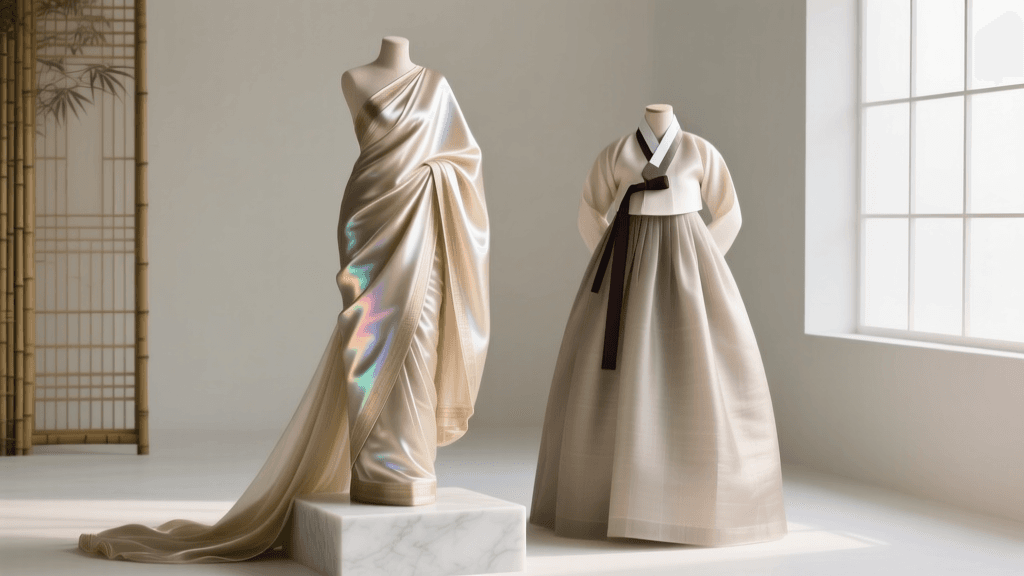
For South Asian brides in 2026, Ahimsa silk is the undisputed champion of sustainable luxury. Its slightly textured surface provides an excellent grip for heavy zari (metallic thread) work, intricate zardozi embroidery, and beadwork. When woven into a Kanchipuram or Banarasi saree, Ahimsa silk offers a rich, regal drape that photographs beautifully under both natural and artificial lighting. Because it is warmer than lotus silk, it is highly recommended for winter and autumn wedding seasons. Designers are increasingly blending Ahimsa silk with organic cotton to create lighter, more manageable sarees for daytime ceremonies.
The Korean Hanbok and Chinese Cheongsam
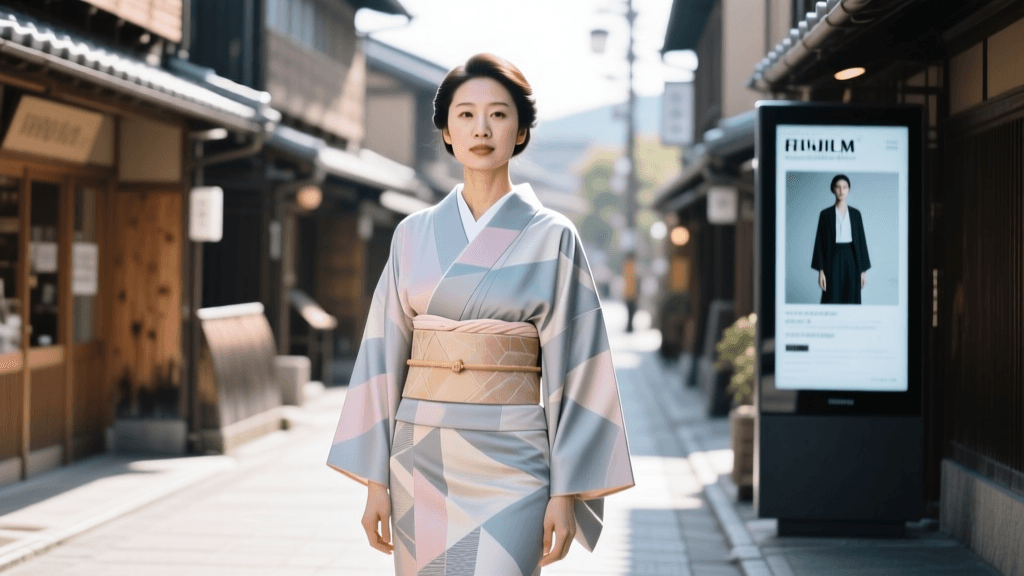
Lotus silk has found its true calling in East Asian and Southeast Asian traditional wear. In Korea, the modern Saenghwal hanbok (everyday hanbok) movement of 2026 heavily favors lotus silk for summer garments. The fabric's natural crispness allows the structural lines of the jeogori (jacket) and the voluminous folds of the chima (skirt) to hold their shape without the need for synthetic stiffeners. Similarly, in China and Vietnam, lotus silk is the premier choice for unlined, summer-weight Cheongsams and Áo dài. Its breathability ensures comfort in humid climates, while its matte finish provides a sophisticated, understated elegance that appeals to modern minimalist aesthetics.
Environmental Impact and Water Usage in 2026
Sustainability is not just a buzzword; it is a measurable metric in the 2026 textile industry. Lotus silk is inherently eco-friendly in its processing—it requires no chemical baths, no heavy machinery, and no boiling water. However, it is important to note that the lotus plant itself requires a significant amount of water to grow, though this is typically managed within natural, existing aquatic ecosystems rather than irrigated agricultural land. The primary environmental cost of lotus silk is the immense human labor required; it takes approximately 32,000 lotus stems to produce a single yard of fabric.
Ahimsa silk, on the other hand, relies on the cultivation of mulberry trees or castor plants to feed the silkworms. While this requires land and water, organic Ahimsa silk farms in India have increasingly adopted rainwater harvesting and agroforestry techniques in 2026 to minimize their ecological footprint. Furthermore, by eliminating the energy-intensive boiling process required in traditional sericulture, Ahimsa silk significantly reduces its carbon emissions. Organizations like Fashion Revolution continually advocate for these transparent, low-impact supply chains, pushing the industry toward verifiable sustainability standards.
Dyeing Techniques: Natural vs. Synthetic
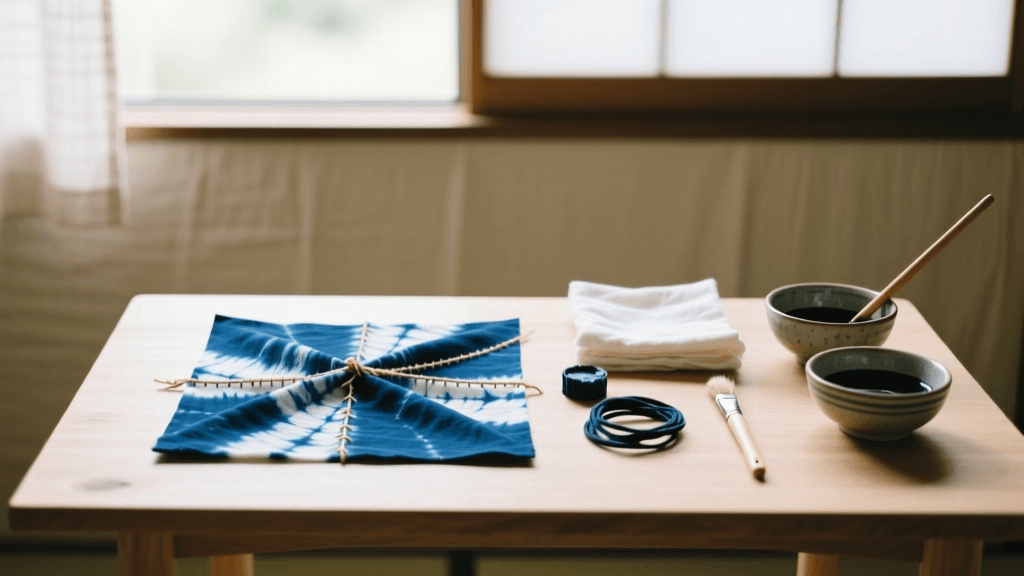
The way a fabric absorbs color is a critical consideration for ceremonial wear. Lotus silk, being a plant-based cellulose fiber, absorbs natural dyes—such as indigo, madder root, and marigold—with a soft, muted, and vintage aesthetic. In 2026, artisanal dyers are using plant-based mordants to ensure these colors remain vibrant without relying on heavy metals. However, achieving deep, dark shades like black or navy can be challenging and requires multiple dye baths.
Ahimsa silk is a protein fiber, much like traditional silk and wool. It takes beautifully to both natural and acid dyes, yielding rich, saturated, and jewel-toned colors that are highly sought after in bridal lehengas and sarees. The slight slub in the yarn creates a beautiful, organic variation in color depth, giving the garment a handcrafted, artisanal look that mass-produced textiles simply cannot replicate.
2026 Market Pricing, Sourcing, and Authentication
As the demand for ethical textiles has surged, so has the market for counterfeit sustainable fabrics. In 2026, authenticating your textile is paramount. For Ahimsa silk, buyers should look for the official certification from the Silk Mark Organization of India, which provides a unique, trackable QR code on every genuine silk product. This ensures that the silk is not only pure but also ethically sourced. Genuine Ahimsa silk typically ranges from $45 to $85 per yard, depending on the weave complexity and the inclusion of organic dyes.
Lotus silk remains a niche luxury product. Due to its extreme rarity, it is rarely sold by the yard to the general public. Instead, it is usually purchased directly from weaving cooperatives in Myanmar or through high-end boutique designers in Hanoi and Seoul. Expect to pay upwards of $150 per yard for pure, unblended lotus silk. Be wary of 'lotus-silk blends' that are heavily discounted, as they often contain less than 5% actual lotus fiber mixed with conventional cotton or synthetic rayon.
Care and Maintenance for Sustainable Textiles
Investing in these luxury textiles requires a commitment to proper garment care to ensure they last for generations.
- Cleaning: Lotus silk garments should be hand-washed in cold water with a mild, pH-neutral detergent. Avoid wringing the fabric; instead, roll it in a clean towel to absorb excess moisture and lay it flat to dry in the shade. Ahimsa silk sarees and lehengas, especially those with heavy embroidery, should be strictly dry-cleaned by professionals experienced in handling traditional Asian garments.
- Ironing: Both fabrics are sensitive to high heat. Use a low-heat setting and always place a cotton pressing cloth between the iron and the garment. Lotus silk benefits from a light misting of water before ironing to smooth out natural linen-like wrinkles.
- Storage: Never store these natural fibers in plastic, which can trap moisture and cause yellowing or mildew. Wrap Ahimsa silk sarees in unbleached muslin cloth and store them in a cool, dark cedar chest to repel insects naturally. Lotus silk garments should be hung on padded wooden hangers to maintain their structural integrity.
Conclusion
The choice between lotus silk and Ahimsa silk in 2026 ultimately depends on the garment you are creating, the climate of your ceremony, and the aesthetic you wish to achieve. Lotus silk offers an unparalleled, breathable, and structured elegance perfect for East Asian summer wear, while Ahimsa silk provides the rich, fluid, and warm drape necessary for South Asian bridal couture. By choosing either of these extraordinary textiles, you are not only honoring the deep-rooted traditions of Asian garment-making but also actively participating in the vital shift toward a more ethical, sustainable, and compassionate fashion future.