Top Japanese Fashion Blogs For Traditional Garments 2026
The Digital Renaissance of Japanese Traditional Garments
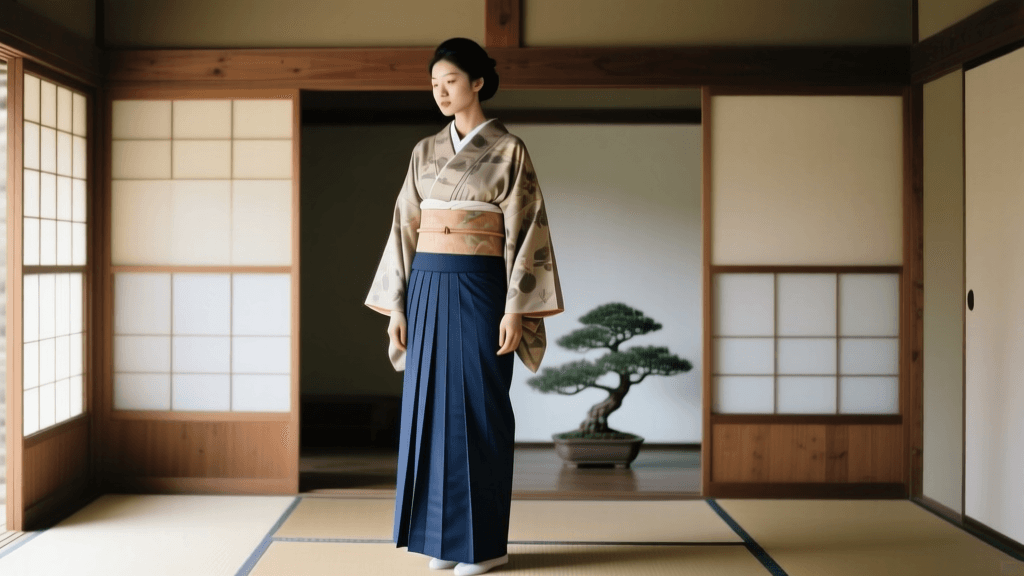
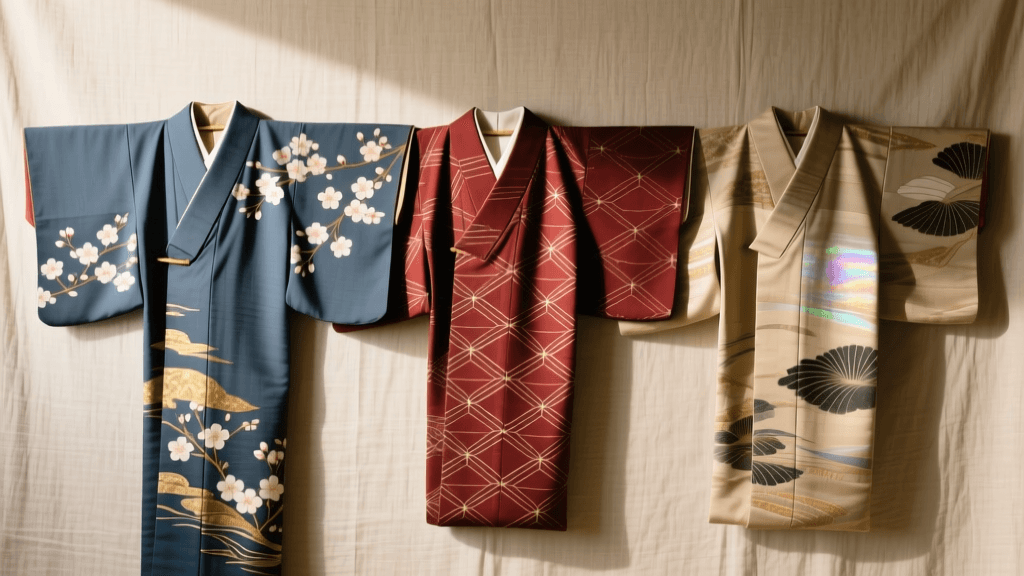
As we navigate the global fashion landscape of 2026, the intersection of heritage craftsmanship and modern digital storytelling has never been more vibrant. Japanese fashion journalism has evolved far beyond the glossy pages of print magazines, migrating into dynamic online platforms, independent blogs, and multimedia digital editorials. Today, the most compelling narratives surrounding wafuku (traditional Japanese clothing) are being shaped by digital journalists who treat the kimono, haori, and hakama not as museum relics, but as living, breathing components of contemporary street style and sustainable fashion.
For cultural enthusiasts, textile collectors, and fashion historians, following the right Japanese fashion blogs and online magazines is essential. These platforms provide real-time documentation of how traditional garments are being adapted for modern climates, integrated into gender-fluid wardrobes, and revitalized through the booming secondhand market. In 2026, digital journalism is the primary bridge connecting centuries-old dyeing techniques with the global runways and everyday streetwear of Tokyo, Kyoto, and beyond.
Leading Online Magazines and Blogs in 2026
The ecosystem of Japanese fashion media is vast, but a select few digital publications have dedicated significant editorial resources to covering traditional garments and their modern iterations. These platforms combine high-resolution street style photography, long-form artisanal interviews, and sharp business analysis.
FASHIONSNAP: The Business and Runway Authority
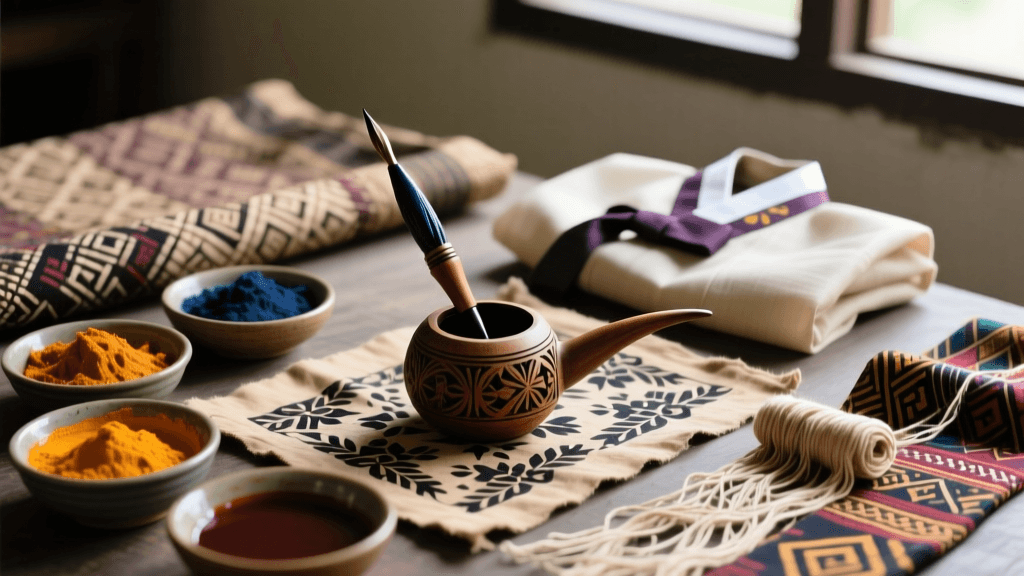
For industry insiders, FASHIONSNAP remains the definitive source for Japanese fashion news, business developments, and runway coverage. In 2026, their editorial desk has placed a heavy emphasis on sustainability and heritage craftsmanship. Their journalists frequently cover how emerging designers at Tokyo Fashion Week are incorporating sashiko stitching, boro patchwork, and upcycled vintage kimono silks into technical outerwear. FASHIONSNAP's in-depth interviews with Nishijin weavers and Yuzen dyers provide unparalleled insight into the supply chain of traditional textiles, making it an indispensable resource for those interested in the economics and future of Japanese garment production.
Tokyo Fashion: Documenting the Neo-Traditional Street
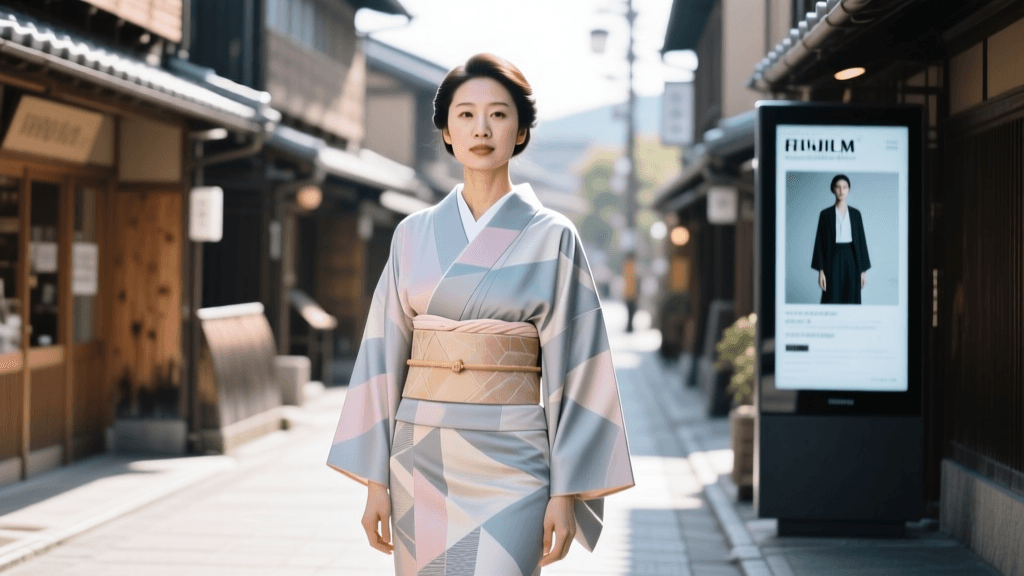
While global audiences often associate Tokyo Fashion with the avant-garde streetwear of Harajuku, the platform's 2026 coverage has seen a massive surge in 'Neo-Traditional' style documentation. Their street style photographers are actively capturing the youth of Shimokitazawa and Daikanyama styling vintage haori jackets over oversized graphic tees, or pairing pleated hakama trousers with chunky sneakers. Tokyo Fashion's visual journalism is crucial for understanding how traditional silhouettes are being deconstructed and reimagined by younger generations who reject fast fashion in favor of one-of-a-kind vintage garments.
Vogue Japan's Digital Cultural Desk
Vogue Japan has long been the pinnacle of high-fashion editorial in the region, but their digital cultural desk has recently launched a series of multimedia essays dedicated to the preservation of regional textiles. In 2026, their long-form digital features have highlighted the integration of smart-textiles into summer yukata, as well as the meticulous restoration processes of Edo-period garments held in private collections. Their high-production video journalism offers a masterclass in the art of kitsuke (kimono dressing), showcasing how traditional draping techniques are being taught to a new, global audience via digital masterclasses.
Independent Zines and Substack Writers
Beyond the major publications, 2026 has seen the rise of independent fashion bloggers and Substack writers who focus exclusively on the niche intersections of traditional wear and modern lifestyle. Blogs dedicated to the 'Kimono Walk' movement document the practicalities of navigating modern urban environments in traditional footwear like zori and geta. These independent voices often provide the most actionable advice on sourcing secondhand kimono, negotiating at vintage markets, and caring for delicate silk and hemp textiles in varying climates.
Key Editorial Themes Dominating 2026 Coverage
Reading through the archives and daily feeds of these Japanese fashion magazines reveals several dominant themes that are shaping the discourse around traditional garments this year.
The Secondhand and Upcycling Boom
With a growing global emphasis on circular fashion, Japanese fashion blogs are heavily covering the secondhand kimono market. Digital journalists are reviewing AI-authenticated vintage platforms that guarantee the provenance of Oshima Tsumugi and Edo Komon textiles. Editorials frequently highlight upcycling initiatives where damaged vintage kimono are transformed into modern accessories, laptop sleeves, and patchwork jackets, ensuring that no part of the historic garment goes to waste.
Summer Adaptations: Yukata vs. Jinbei
As summers in Japan continue to break heat records, fashion magazines are dedicating extensive coverage to climate-responsive traditional wear. The 2026 editorial debate frequently centers on the yukata versus the jinbei. While the cotton yukata remains the staple for evening festivals, digital magazines are championing the jinbei—a two-piece top and shorts set—as the ultimate practical summer garment. Recent style guides highlight new 2026 jinbei collections crafted from moisture-wicking hemp blends and recycled ocean plastics, proving that traditional casual wear can evolve to meet modern environmental and meteorological challenges.
Traditional Theater Meets Streetwear
An unexpected but thrilling trend covered by niche fashion blogs in 2026 is the collaboration between traditional Kabuki theater costume houses and contemporary streetwear brands. Digital editorials have showcased limited-edition capsule collections featuring the bold, dramatic motifs of Kabuki stage wear translated into everyday hoodies, windbreakers, and modern haori. This cross-pollination is bringing the rich visual language of traditional Japanese theater to a demographic that might never step foot inside a theater.
Platform Comparison Chart
To help you curate your digital reading list, here is a structured comparison of the top platforms covering Japanese traditional fashion in 2026.
| Publication / Blog | Primary Focus Area | Best Content Format | Target Audience |
|---|---|---|---|
| FASHIONSNAP | Runway integration, textile business, and designer interviews. | Long-form articles and industry news reports. | Industry professionals, buyers, and fashion students. |
| Tokyo Fashion | Street style, youth subcultures, and vintage styling. | High-res photo galleries and trend-spotting lookbooks. | Streetwear enthusiasts, stylists, and vintage collectors. |
| Vogue Japan | High-fashion editorials, artisanal craftsmanship, and luxury. | Multimedia essays, video documentaries, and interviews. | Haute couture followers and luxury textile connoisseurs. |
| Independent Zines | Practical kitsuke, secondhand sourcing, and lifestyle integration. | Newsletters, step-by-step guides, and community forums. | Everyday wearers, tourists, and cultural hobbyists. |
Actionable Tips for Following and Engaging with Japanese Fashion Media
For international readers and researchers, navigating Japanese fashion journalism requires a strategic approach to overcome language barriers and algorithmic filters. Here are actionable tips to maximize your engagement with these platforms in 2026:
- Leverage Advanced Browser Translation: While major sites like Vogue Japan offer English editions, the most granular coverage of traditional textiles often remains in Japanese. Use AI-powered browser extensions that preserve original formatting and image layouts when translating sites like FASHIONSNAP, ensuring you don't miss the visual context of the garments discussed.
- Utilize RSS Feeds for Niche Keywords: Set up RSS readers with specific Japanese keywords such as '古着 着物' (vintage kimono), '浴衣 コーデ' (yukata coordination), and 'アップサイクル' (upcycle). This allows you to aggregate articles from various independent blogs into a single, easily digestible daily feed.
- Follow the Photographers, Not Just the Brands: On platforms like Tokyo Fashion, the street style photographers often maintain their own digital portfolios and social channels. Following these individuals provides an unfiltered look at how traditional garments are styled organically on the streets of Tokyo and Kyoto, free from corporate sponsorship biases.
- Engage with Digital Archives: Many online magazines maintain extensive digital archives of regional textile tours. Bookmark these series to build a comprehensive database of Japanese dyeing and weaving techniques, which is invaluable for authenticating vintage pieces in the secondhand market.
Conclusion
The landscape of Japanese fashion journalism in 2026 proves that traditional garments are not static artifacts confined to the past. Through the lens of digital magazines, independent blogs, and street style documentation, the kimono, haori, and yukata are continuously being redefined. By following these authoritative platforms, we gain a profound appreciation for how heritage textiles are adapting to modern climates, sustainability demands, and the ever-evolving language of global fashion. Whether you are a collector, a designer, or simply a lover of Asian traditions, these digital publications offer an essential window into the enduring soul of Japanese sartorial culture.