Lotus Silk vs Mulberry Silk for Custom Cheongsam 2026
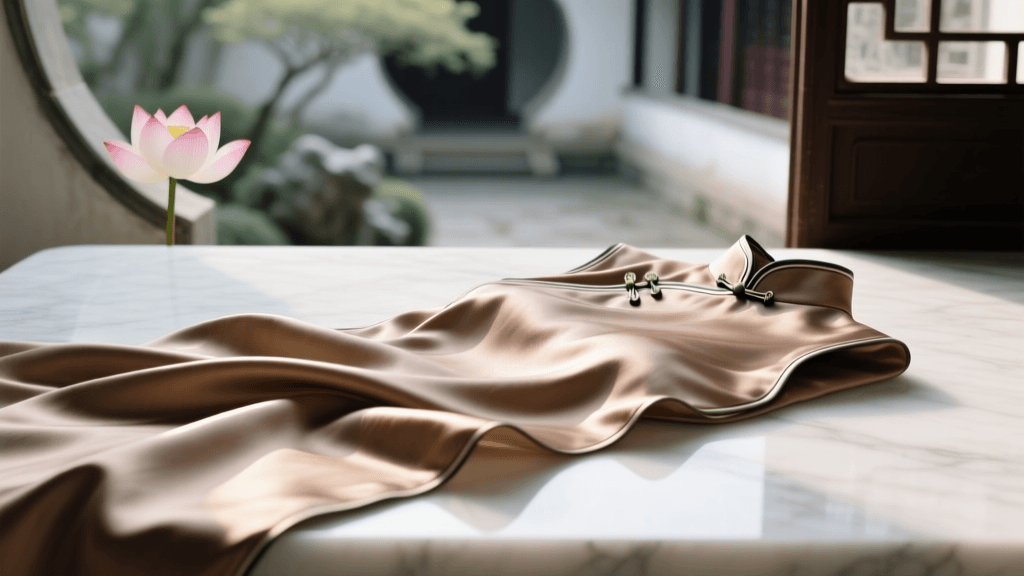
The 2026 Textile Landscape for the Cheongsam
The cheongsam, also known as the qipao, is a masterpiece of structural tailoring and cultural heritage. As we navigate the fashion landscape of 2026, the choice of fabric dictates not just the drape and silhouette of the garment, but also its environmental footprint and cultural resonance. Bespoke tailoring has seen a massive resurgence, with clients increasingly demanding transparency, sustainability, and luxury in equal measure. For the modern artisan and the discerning client, selecting the right textile is the most critical step in the creation of a custom cheongsam.
In 2026, two distinct fibers dominate the high-end qipao conversation: the timeless, lustrous Mulberry silk and the rare, eco-conscious Lotus silk. While Mulberry silk remains the undisputed gold standard for traditional Chinese garments, Lotus silk has emerged as a disruptive luxury alternative, prized for its unique texture and sustainable harvesting methods. Understanding the nuances, costs, and tailoring requirements of these two textiles is essential for anyone commissioning or crafting a bespoke cheongsam this year.
Mulberry Silk: The Timeless Standard
Mulberry silk, produced by the Bombyx mori silkworm fed exclusively on mulberry leaves, has been the foundation of Chinese textile artistry for millennia. According to the Victoria and Albert Museum, the sericulture process yields a continuous, incredibly fine protein filament that is renowned for its uniform thickness, brilliant sheen, and exceptional dye affinity. In 2026, Mulberry silk remains the most sought-after fabric for traditional and modern qipaos alike.
For a structured cheongsam, tailors typically recommend heavy silk crepe de chine or silk satin ranging from 19 to 30 momme (mm) in weight. A 30mm heavy crepe provides the necessary body to support the garment's architectural elements, such as the high Mandarin collar and the intricate side slits, without requiring excessive synthetic interfacing. Furthermore, traditional silk brocade (zhijin), woven with metallic or contrasting silk threads, continues to be the premier choice for ceremonial and wedding qipaos in 2026.
However, the 2026 market has seen notable shifts. Climate fluctuations in primary sericulture regions like Zhejiang and Jiangsu have led to a 12% increase in the cost of premium, unadulterated Mulberry silk over the past eighteen months. Despite the rising costs, its unparalleled luster and historical authenticity keep it at the forefront of bespoke tailoring. A standard knee-length cheongsam requires approximately 2.5 to 3 yards of fabric, with premium 30mm Mulberry silk crepe currently retailing between $65 and $95 per yard in 2026.
Lotus Silk: The Sustainable Luxury Disruptor
Lotus silk is an extraordinarily rare, plant-based fiber extracted from the stems of the Nelumbo nucifera (lotus flower). Historically harvested by hand in the Inle Lake region of Myanmar and the Mekong Delta in Vietnam, lotus silk is entirely vegan and boasts a remarkably low environmental impact, as the lotus plant requires no pesticides and naturally purifies the water it grows in.
The extraction process is intensely laborious. The stems must be harvested during the blooming season, and the microscopic fibers are carefully pulled out, rolled, and spun by hand within 24 hours of cutting to prevent drying. The resulting yarn has a texture reminiscent of raw silk or linen, with a matte finish and a highly breathable, lightweight quality. According to historical textile records documented by the Metropolitan Museum of Art, the pursuit of rare and specialized fibers has always driven luxury garment evolution, and lotus silk represents the modern pinnacle of this pursuit.
Because pure lotus silk lacks the natural elasticity and heavy drape of Mulberry silk, it is rarely used in its 100% pure form for a fully structured cheongsam. Instead, the defining trend of 2026 is the 'Lotus-Silk Blend'—typically a weave of 30% lotus fiber and 70% Mulberry silk. This blend marries the sustainable, breathable, and matte-textured qualities of the lotus with the structural integrity and subtle sheen of traditional silk, creating an ideal textile for everyday luxury qipaos and resort wear.
Comparative Analysis: Mulberry vs. Lotus Silk
When commissioning a bespoke cheongsam in 2026, clients must weigh the aesthetic and practical differences between these two premium fibers. The table below outlines the critical distinctions for tailors and buyers.
| Feature | Mulberry Silk (Heavy Crepe/Satin) | Lotus Silk Blend (30/70) | Pure Lotus Silk |
|---|---|---|---|
| Drape & Hand-feel | Fluid, heavy, smooth, high luster | Structured, slightly textured, soft sheen | Crisp, linen-like, matte, lightweight |
| Momme Weight / GSM | 19mm - 30mm (Heavy) | 16mm - 22mm (Medium) | 8mm - 12mm (Light) |
| 2026 Avg. Cost (Per Yard) | $65 - $95 USD | $180 - $240 USD | $400+ USD (Rare) |
| Sustainability Profile | Moderate (Water & land intensive) | High (Regenerative, low water footprint) | Very High (Wild-harvested, zero chemicals) |
| Best Qipao Style | Ceremonial, winter, highly structured | Everyday luxury, office wear, transitional | Summer resort, unstructured, overlay jackets |
Tailoring Considerations for Bespoke Qipaos
The construction of a cheongsam is notoriously unforgiving; the fabric must mold to the body while maintaining rigid structural lines at the collar and placket. When working with Mulberry silk, master tailors in 2026 utilize bias-cutting techniques to allow the woven fabric to stretch gently across the curves of the body. The high collar is typically reinforced with silk organza interfacing, which maintains the neckline's shape without adding the stiffness of modern synthetic fusing.
Tailoring with Lotus silk or Lotus-silk blends requires a different approach. Because the lotus fiber has a shorter staple length and less natural drape, it does not respond well to extreme bias cutting. Tailors must rely on precise darting and strategic seaming to achieve the signature qipao silhouette. Furthermore, the traditional pankou (frog buttons) are best crafted from the Mulberry silk satin, even if the main body of the garment is a lotus blend, as the lotus fiber can be too brittle to withstand the tight rolling and knotting required for durable fastenings.
For clients seeking a modern, avant-garde cheongsam, pure lotus silk is often utilized as an outer overlay or for the creation of the matching pifeng (traditional cape or jacket) worn over a structured Mulberry silk slip dress. This layering technique highlights the contrasting textures of the two fibers, a highly sought-after aesthetic in contemporary Asian fashion circles this year.
Sourcing and Verifying Authenticity in 2026
As the demand for sustainable luxury has skyrocketed, the market has unfortunately seen an influx of counterfeit 'lotus silk'—often just heavily processed viscose or ramie marketed at a premium. When sourcing textiles for a custom cheongsam in 2026, verification is paramount.
- The Burn Test: Mulberry silk smells like burning hair and leaves a crushable black ash. Lotus fiber, being plant-based cellulose, smells like burning paper and leaves a fine, gray ash.
- Microscopic Weave Analysis: Genuine lotus silk features irregularities in the yarn thickness due to the hand-rolling process. If the thread is perfectly uniform, it is likely machine-spun viscose.
- Certification Tags: Reputable textile merchants in 2026 provide lotus silk with regional Geographical Indication (GI) tags or certifications from recognized sustainable textile coalitions, tracing the fiber back to specific cooperatives in Vietnam or Myanmar.
Buyers are strongly advised to purchase directly from established heritage mills or certified bespoke ateliers rather than unverified online marketplaces, ensuring the integrity of the textile and the ethical compensation of the artisan weavers.
Care and Maintenance for Modern Climates
The longevity of a bespoke cheongsam depends heavily on proper textile care, especially as global climate shifts in 2026 bring increased humidity to many urban centers. Mulberry silk is highly susceptible to water spotting and UV degradation. It should be stored in breathable, unbleached cotton garment bags, never plastic, which can trap moisture and cause the protein fibers to yellow or mildew.
While traditional dry cleaning has been the standard for decades, the harsh chemicals used in conventional processes can strip Mulberry silk of its natural sericin coating over time. In 2026, eco-friendly 'wet cleaning' technologies and liquid CO2 cleaning methods are the recommended standards for high-end qipaos, offering deep cleaning without fiber degradation.
Lotus silk blends, conversely, are more resilient to moisture and less prone to water spotting. However, they should never be wrung or machine-washed, as the agitation can cause the plant fibers to pill or break. Hand washing in cool water with a pH-neutral, enzyme-free detergent is acceptable for lotus blends, followed by flat drying in the shade. Ironing must always be done on the reverse side using a low-heat setting and a protective cotton pressing cloth to preserve the unique, matte texture of the lotus fibers.
Conclusion
The choice between Mulberry silk and Lotus silk for a custom cheongsam in 2026 is ultimately a dialogue between history and innovation. Mulberry silk offers the undisputed heritage, fluid drape, and brilliant luster that has defined the qipao for a century. Lotus silk, and its modern blends, offers a forward-looking, sustainable alternative that brings unique textures and ethical luxury to the forefront of Asian traditional garments. By understanding the specific tailoring requirements, costs, and care protocols of each fiber, artisans and wearers can ensure their bespoke cheongsam is not only a stunning work of art but a resilient garment built for the future.