Japanese Traditional Garments: Kimono & Hakama Guide 2026
The Cultural Renaissance of Japanese Garments in 2026
As we navigate the global fashion and cultural landscape of 2026, Japanese traditional garments are experiencing a profound renaissance. No longer confined strictly to historical ceremonies or tourist rentals, garments like the kimono, yukata, and hakama are being embraced by a new generation of wearers who value artisanal craftsmanship, sustainable textiles, and mindful dressing. According to the Metropolitan Museum of Art, the iconic T-shaped silhouette of the kimono represents one of the most enduring and structurally influential garment designs in global history. Today, modern wearers are blending centuries-old techniques with contemporary lifestyle needs, making traditional Japanese dress more accessible and relevant than ever before.
This comprehensive guide explores the core types of Japanese traditional garments, the intricate art of layering, and the modern styling innovations defining 2026. Whether you are attending a formal tea ceremony, a summer matsuri (festival), or a university graduation, understanding the nuances of these garments is essential for dressing with cultural respect and aesthetic precision.
The Core Garments: Kimono, Yukata, and Hakama
Kimono: The Formal Standard
The word 'kimono' literally translates to 'thing to wear' (ki = wear, mono = thing). While it serves as an umbrella term for all traditional Japanese clothing, in modern parlance, it specifically refers to the formal, silk-layered robe. The formality of a kimono is dictated by its fabric, pattern placement, and sleeve length.
- Furisode: The most formal kimono for unmarried women, characterized by dramatically long, swinging sleeves (often 100-114 cm in length). In 2026, vibrant, hand-painted Yuzen silk Furisode remain the standard for Coming of Age Day (Seijin no Hi) and formal weddings.
- Tomesode: The most formal kimono for married women. The Kurotomesode (black with patterns only below the waist) is reserved for close relatives at weddings, while the Irotomesode (colored background) is worn by slightly more distant guests.
- Homongi: A 'visiting wear' kimono featuring patterns that flow continuously across the seams. It is highly versatile and worn by both married and unmarried women for tea ceremonies and formal parties.
- Komon: An informal, everyday kimono featuring small, repeating patterns. It is perfect for casual outings, shopping, or dining in 2026's modern urban centers.
Yukata: The Summer Essential
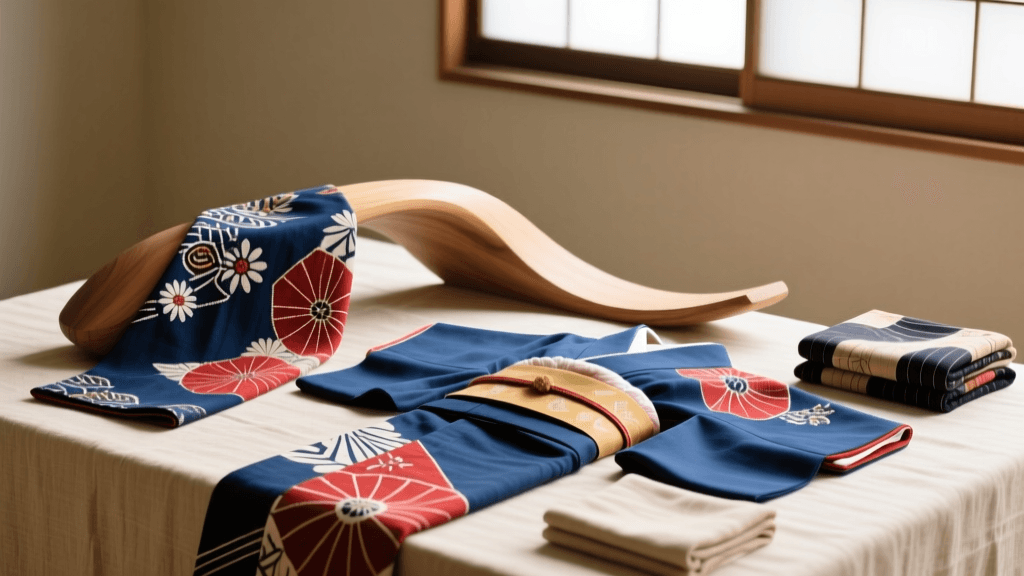
Originally worn as a bathing robe by the nobility during the Heian period, the yukata has evolved into the quintessential summer garment. Made from breathable, unlined cotton or modern hemp-blends, the yukata is worn at summer fireworks festivals (hanabi) and hot spring resorts (onsen). The 2026 market has seen a massive surge in organic indigo-dyed yukata and upcycled cotton weaves, reflecting a strong consumer push toward eco-friendly summer fashion. Unlike the formal kimono, the yukata is worn directly over basic undergarments and is paired with a simple, lightweight cotton obi and wooden geta sandals.
Hakama: The Pleated Trousers
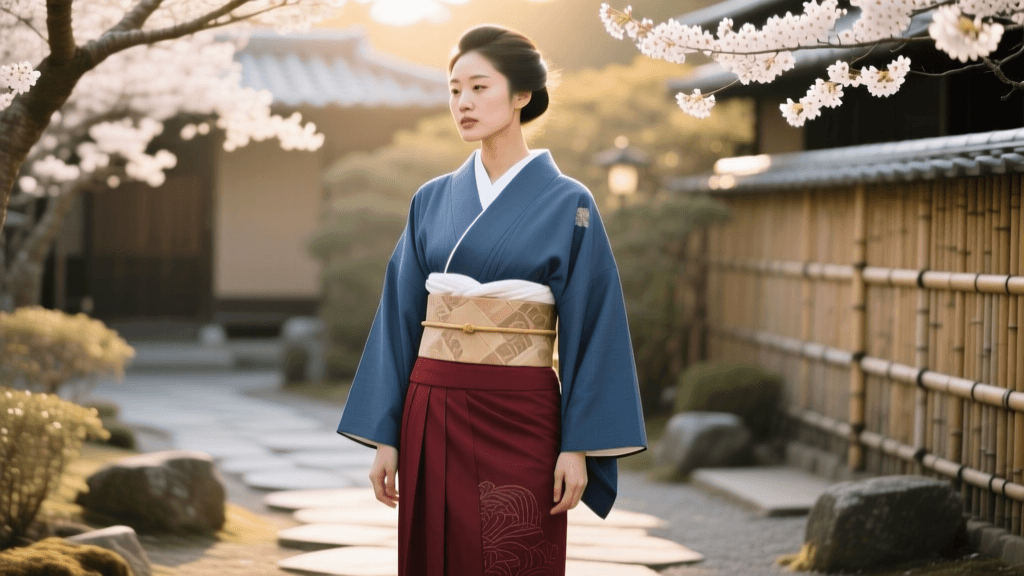
The hakama is a divided, pleated skirt-like trouser worn over a kimono. Historically worn by samurai to protect their legs while riding horses, today it is a symbol of academic achievement and martial arts discipline. Women typically wear the andon-bakama (an undivided, skirt-like version) over a kimono for university graduations, while men wear the umanori-bakama (divided trousers) for formal ceremonies or martial arts like kendo and aikido. The traditional seven pleats represent the seven virtues of the samurai, a philosophical detail that continues to resonate with practitioners in 2026.
Haori: The Traditional Jacket
The haori is a hip- or thigh-length jacket worn open over the kimono. Originally a male garment, it was adopted by women in the Edo period and is now a staple for both genders. In 2026, the haori has crossed over into global modern styling, frequently worn as a lightweight duster coat over contemporary Western clothing, bridging the gap between traditional Japanese craftsmanship and everyday global fashion.
The Art of Layering: Undergarments and Structure
The beauty of the kimono lies not just in the outer silk, but in the structural layering beneath it. Proper layering ensures the garment drapes correctly, protects the expensive outer silk from body oils, and provides seasonal temperature regulation.
- Hadajuban: The innermost layer, a thin cotton or silk camisole and wrap skirt worn directly against the skin. Modern 2026 iterations often feature moisture-wicking cooling meshes for summer wear.
- Nagajuban: The primary under-robe. This garment mimics the shape of the kimono and features a decorative silk collar (han-eri) that peeks out from beneath the outer kimono's neckline. Washable synthetic silks have become highly popular for the nagajuban, allowing for easy home laundering.
- Datejime & Koshihimo: These are the tying sashes and thin cotton cords used to secure the layers tightly to the body, creating the iconic cylindrical silhouette that prevents the kimono from slipping during movement.
The Victoria and Albert Museum highlights that the layered collar (kasane-eri) is a critical focal point in Japanese dress, allowing the wearer to display a subtle flash of contrasting color and pattern at the nape of the neck, considered a highly elegant and sensual area in traditional Japanese aesthetics.
2026 Garment Comparison Chart
Selecting the right garment depends heavily on the season, the formality of the event, and your budget. Below is a structured comparison of the primary Japanese garments for 2026.
| Garment Type | Formality Level | Primary Fabric (2026) | Best Season | Avg. Retail Price (USD) |
|---|---|---|---|---|
| Furisode | Very Formal | Heavy Silk Crepe (Chirimen) | Winter / Spring | $1,500 - $4,000+ |
| Homongi | Formal | Patterned Silk / Washable Poly-Silk | All Seasons | $800 - $2,500 |
| Komon | Casual / Everyday | Light Silk, Wool, or Cotton | Spring / Autumn | $150 - $600 |
| Yukata | Informal / Festival | Organic Cotton, Hemp Blends | Summer | $50 - $250 |
| Hakama Set | Ceremonial / Academic | Silk blends, Polyester | Winter / Spring | $200 - $900 |
| Haori Jacket | Semi-Formal to Casual | Silk, Tsumugi (Pongee) | Autumn / Winter | $100 - $800 |
Obi Belts and Essential Accessories
No kimono is complete without the obi, the wide sash that secures the garment and serves as the centerpiece of the outfit's back profile. The obi is often more expensive than the kimono itself, featuring exquisite Nishijin-ori (brocade weaving) from Kyoto.
- Fukuro Obi: The most common formal obi, fully patterned on the outside and lined with plain silk. It is tied in elaborate knots like the 'Otaiko' (drum knot) for married women or the 'Fukura-suzume' for young women.
- Nagoya Obi: Pre-folded and stitched at one end, making it significantly easier to tie. It is the standard choice for semi-formal and casual komon kimono.
- Hanhaba Obi: A narrow, half-width obi used exclusively with the casual yukata and wool komon.
Accessories elevate the ensemble. The obijime is a decorative braided cord tied over the obi, while the obiage is a silk scarf tucked into the top of the obi knot. For footwear, tabi (split-toe socks) are mandatory for formal wear, paired with zori (formal sandals made of brocade or lacquered wood). In 2026, ergonomic zori with memory-foam insoles have become a popular innovation for wearers attending all-day ceremonies.
Sourcing, Renting, and Sustainable Care in 2026
The traditional kimono industry has adapted to modern environmental and economic realities. Purchasing a brand-new, hand-painted silk kimono from a Kyoto atelier is a significant investment, often starting at $3,000. However, the 2026 market is heavily driven by the vintage and upcycled kimono sector. Sourcing pre-loved silk kimono from the Showa era (1926-1989) is not only highly sustainable but also allows wearers to acquire museum-quality textiles for under $200.
For those who do not wish to purchase, the kimono rental industry in Japan has become incredibly sophisticated. Modern rental shops in Tokyo and Kyoto now offer AI-driven body scanning to ensure perfect tailoring, alongside hybrid washable-silk garments that eliminate the need for expensive, chemical dry-cleaning (arai-hari). When caring for your own garments at home, always store silk kimono flat, folded along their traditional seam lines (tatami-shi), wrapped in acid-free washi paper, and include natural camphor wood blocks to deter insects without the use of harsh modern mothballs.
Conclusion
Japanese traditional garments are far more than static museum pieces; they are living, breathing textiles that continue to evolve. By understanding the distinct roles of the kimono, yukata, and hakama, and by mastering the subtle art of layering and accessorizing, you can participate in this rich cultural tradition with confidence and respect. Whether you are tying a cotton yukata for a summer evening or draping a heavy silk Furisode for a winter ceremony, the garments of Japan offer a timeless connection to artisanal history, perfectly adapted for the modern wearer in 2026.