Baltic Amber & Linen Wreaths: Lithuanian Folk Accessories 2026

The Revival of Lithuanian Folk Accessories in 2026
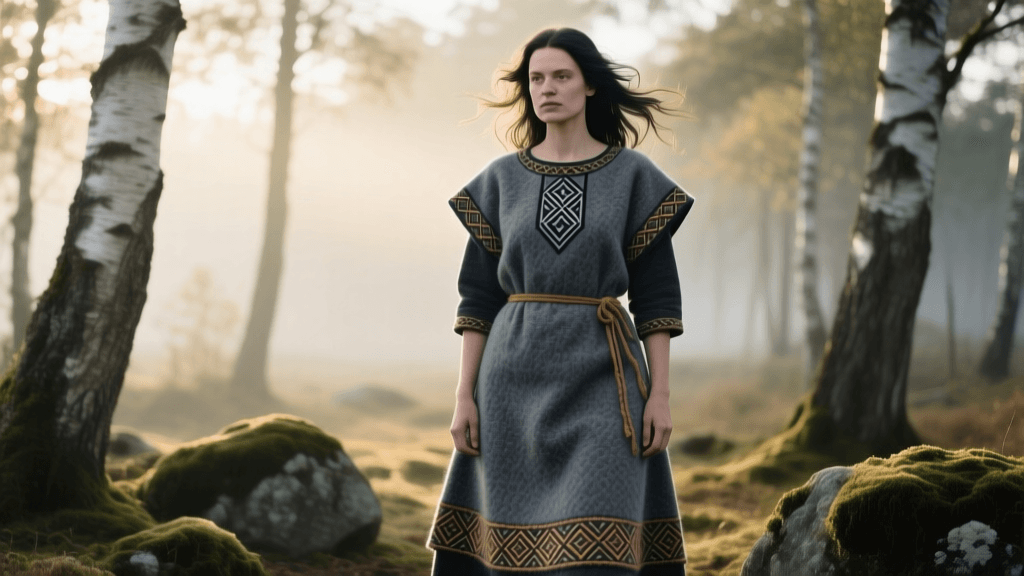
The Lithuanian traditional folk costume, known as the tautinis kostiumas, is a masterclass in textile artistry, regional identity, and symbolic storytelling. While the intricately woven linen shirts, wool skirts, and sashes often capture the immediate attention of textile historians, it is the accessories—specifically Baltic amber jewelry and the traditional floral or linen wreaths (vainikai)—that breathe life and cultural authenticity into the ensemble. As we navigate the 2026 European folk festival season, including the highly anticipated preparations for diaspora Song and Dance Celebrations, there has been a massive resurgence in demand for historically accurate, ethically sourced heritage accessories. This guide explores the nuances of authenticating Baltic amber, crafting traditional headwear, and styling these pieces for contemporary cultural events while honoring centuries-old Baltic traditions.
The Enduring Allure of Baltic Amber (Gintaras)
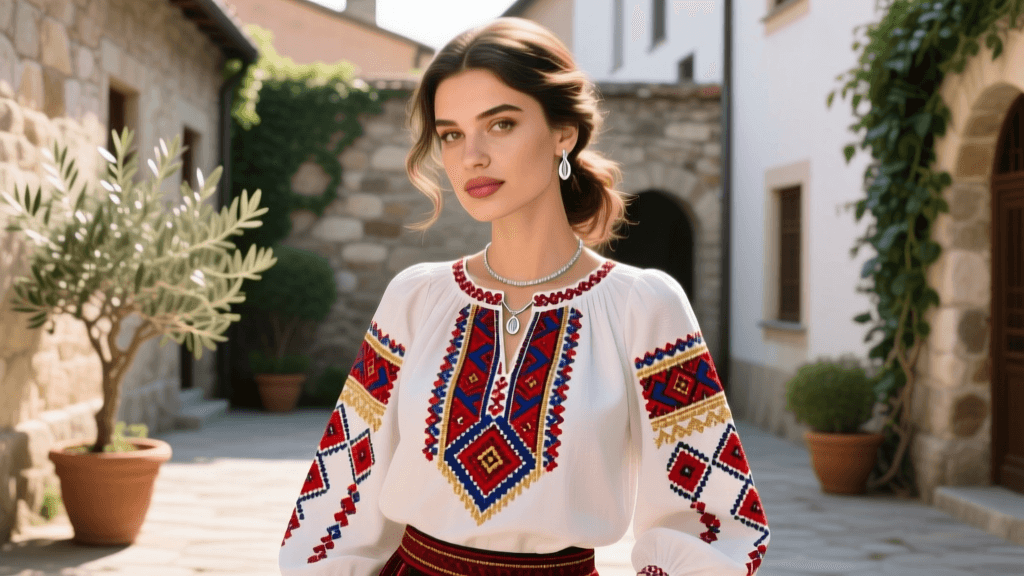
Baltic amber, or gintaras, is not merely a gemstone in Lithuanian culture; it is a sacred relic of the Eocene era, often referred to as 'Lithuanian gold.' For centuries, amber beads have been the cornerstone of a Lithuanian woman's festive attire, symbolizing the sun, warmth, and protection against illness. In traditional folk dress, amber was typically worn as multi-strand necklaces, heavily graduated in size, with the largest teardrop or barrel-shaped beads resting at the center of the collarbone.
In 2026, the appreciation for unheated, naturally occurring amber with botanical or entomological inclusions has reached new heights among folk dress collectors and cultural revivalists. Modern artisans are moving away from the heavily polished, uniformly shaped beads of the late 20th century, favoring raw, semi-polished, and irregularly shaped nuggets that reflect the ancient, untamed origins of the Samland Peninsula's fossilized resin forests. When assembling a traditional necklace for a 2026 festival, revivalists prioritize antique or faithfully reproduced graduated strands, often knotting the beads on natural linen or silk thread to maintain historical accuracy and prevent the beads from grinding against one another.
Authenticating Amber in the 2026 Market
With the rising popularity of heritage fashion, the market has seen an influx of amber imitations, including copal (immature resin), pressed amber (ambroid), and synthetic plastics. For cultural practitioners investing in heritage pieces, knowing how to authenticate Baltic amber is essential. According to the Gemological Institute of America (GIA), Baltic amber possesses unique chemical and physical properties that distinguish it from other resins and synthetics. Below is a comparative guide to help you identify genuine Baltic amber in today's market.
| Material | UV Light Reaction | Saltwater Float Test | 2026 Avg. Price (per gram) |
|---|---|---|---|
| Genuine Baltic Amber | Fluoresces pale blue/green | Floats in saturated saltwater | €4.50 - €12.00 |
| Copal (Immature Resin) | Dull white/yellow glow | Sinks or suspends | €0.50 - €1.50 |
| Pressed Amber (Ambroid) | Uneven, cloudy fluorescence | Floats | €1.00 - €3.00 |
| Plastic / Resin Imitation | No fluorescence | Sinks rapidly | €0.05 - €0.20 |
The Saltwater Test: Genuine Baltic amber has a specific gravity of 1.05 to 1.10, meaning it will sink in fresh water but float in a saturated saltwater solution (approximately 1 part salt to 4 parts water). Copal and plastics will generally sink. The UV Test: Under a standard 365nm UV flashlight, authentic Baltic amber will emit a distinct pale blue or greenish-white fluorescence, whereas plastic imitations will remain inert.
The Vainikas: Wreaths, Ribbons, and Headwear
In Lithuanian folk tradition, headwear is the most explicit indicator of a woman's marital status and regional origin. The vainikas (wreath) is the traditional crown worn by unmarried girls and young women. Historically crafted from fresh rue (rūta), cornflowers, and wildflowers, the modern 2026 festival revival frequently utilizes handcrafted linen flowers, silk ribbons, and dried botanicals to ensure the headwear survives multi-day outdoor events without wilting.
Creating an authentic linen wreath requires meticulous attention to regional color palettes. In the Aukštaitija region, wreaths are often adorned with white linen flowers, silver galloons, and delicate pearl or amber accents, reflecting the region's preference for light, airy textiles. Conversely, in Žemaitija, the wreaths are taller, more structured, and heavily embellished with vibrant red, green, and gold silk ribbons, matching the rich, dark tones of the region's wool skirts and aprons.
Upon marriage, the vainikas is ceremonially removed and replaced by the nuometas or kykas—a linen bonnet or wimple that completely covers the hair. For married women participating in 2026 cultural exhibitions, the nuometas is wrapped using specific pleating techniques that require up to three meters of finely woven, whitework-embroidered linen. Mastering the art of wrapping a nuometas is considered a high-level skill in contemporary folk dress societies, often taught in specialized workshops leading up to major national celebrations.
Silver Segės and Traditional Metalwork
While amber dominates the neckline, the structural integrity of the folk costume relies heavily on traditional metalwork, specifically the segė (brooch) and the juosta (woven sash) buckles. The segė is used to fasten the heavy linen shirt at the collar and the wrap skirts at the waist. In 2026, silversmiths specializing in Baltic heritage are seeing high demand for repoussé and filigree brooches featuring ancient pagan motifs, such as the sun star (saulutė), the horse head, and the fern blossom.
When sourcing a segė for an authentic ensemble, look for 925 sterling silver or traditional coin silver. Modern mass-produced brass or nickel-silver alloys are heavily discouraged by cultural preservationists, as they lack the historical weight and patina of genuine silver. A high-quality, hand-forged silver segė from a recognized Lithuanian artisan typically ranges from €80 to €250 in 2026, depending on the complexity of the filigree work and the inclusion of small amber cabochons.
Styling for the 2026 Dainų Šventė and Diaspora Festivals
The Baltic Song and Dance Celebrations are monumental events that draw tens of thousands of participants and spectators, recognized globally for their cultural significance on the UNESCO Intangible Cultural Heritage list. If you are styling a tautinis kostiumas for the 2026 festival circuit, cohesion between your accessories and your regional textile pattern is paramount.
- Aukštaitija (Highlands): Pair white linen shirts with subtle silver-thread embroidery. Wear a multi-strand amber necklace with smaller, honey-colored beads. The headwear should be a delicate linen wreath with white floral motifs and silver ribbon accents.
- Žemaitija (Lowlands): The clothing features deep reds, greens, and golds. Opt for a heavy, graduated amber necklace with dark cherry or cognac-colored beads. The headwear should be a tall, ribbon-heavy wreath, and the metalwork should feature bold, geometric sun motifs.
- Dzūkija (South): Known for intricate, colorful geometric apron patterns. Amber jewelry here is often interspersed with small coral or red glass beads to match the vibrant cross-stitch of the textiles. Headwear features bright, contrasting silk ribbons.
- Suvalkija (Southwest): The most opulent of the regions, featuring rich, brocaded aprons and gold-thread embroidery. Amber is often paired with heavy gold-toned metal chains and elaborate, wide silk sashes.
Care and Preservation of Heritage Pieces
Preserving these accessories ensures they can be passed down to the next generation of folk dress enthusiasts. Baltic amber is relatively soft (2 to 2.5 on the Mohs scale) and can be easily scratched by harder gemstones or metal clasps. Always store amber necklaces flat in a soft linen pouch, away from direct sunlight, which can cause the resin to oxidize, craze, and turn opaque over time. Never clean amber with commercial jewelry dips, ultrasonic cleaners, or alcohol; simply wipe it with a soft, damp cloth and polish it with a drop of natural olive oil to restore its luster.
Linen wreaths and bonnets require careful climate control. The natural fibers are susceptible to moisture and moth damage. Store your nuometas and vainikai in acid-free tissue paper inside breathable cotton boxes. If the linen becomes creased during festival travel, use a handheld steamer on a low setting rather than a direct iron, which can scorch the delicate whitework embroidery and melt the synthetic cores of modern ribbon reinforcements. By treating these accessories with the reverence they deserve, we ensure that the vibrant legacy of Lithuanian folk dress continues to shine brightly on the global stage throughout 2026 and beyond.