Lithuanian Folk Dress Accessories: Amber & Wreaths 2026
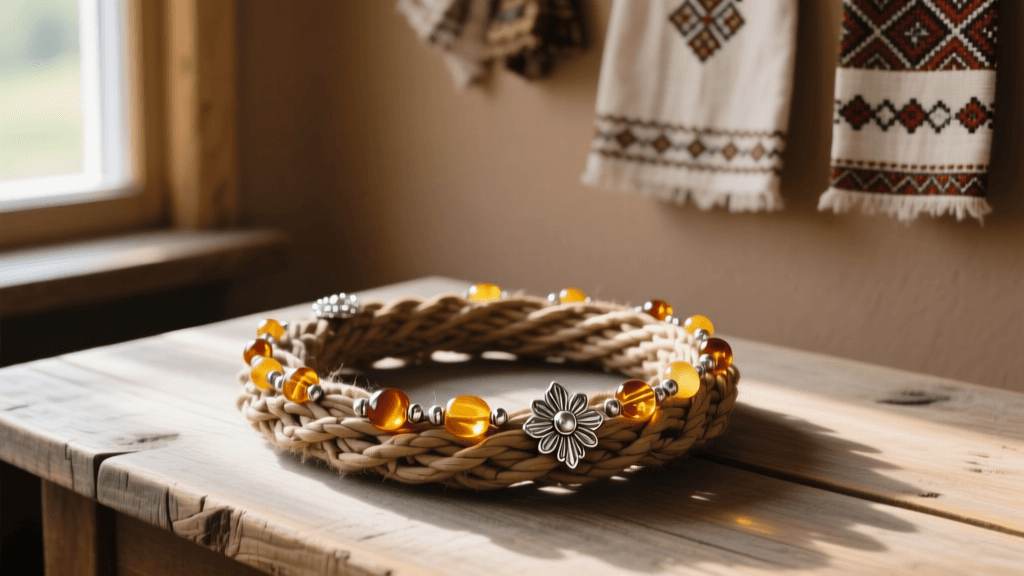
The resurgence of traditional European folk dress has reached a fascinating milestone in 2026, with enthusiasts and cultural historians alike turning their attention to the intricate accessories that complete these historic ensembles. Among the most captivating of these traditions is Lithuanian folk dress, a visual language where every bead, woven thread, and silver clasp tells a story of regional identity, marital status, and connection to the natural world. While the woven sashes and linen shirts often steal the spotlight, it is the accessories—specifically Baltic amber jewelry, symbolic headwear, and silver metalwork—that truly anchor the costume in its cultural context.
In this comprehensive guide, we explore the essential accessories of Lithuanian traditional dress, offering actionable advice for collectors, reenactors, and cultural preservationists looking to source, wear, and care for these pieces in 2026.
Baltic Amber: The Gold of the North in Traditional Jewelry
No discussion of Lithuanian folk accessories is complete without addressing Baltic amber. Formed from the resin of extinct coniferous forests over 40 million years ago, amber has been harvested along the shores of the Baltic Sea since antiquity. According to Britannica's extensive geological records, the Baltic region remains the world's most significant source of high-quality, fossilized resin, prized for its warm hues and occasional prehistoric insect inclusions.
In traditional Lithuanian dress, amber was not merely decorative; it was considered a protective talisman and a symbol of the sun. Necklaces (karoliai) were predominantly worn by women, with the size, color, and polish of the beads indicating the wearer's wealth and regional origins.
Selecting Authentic Amber for Folk Costumes
As the market for folk dress accessories has expanded in 2026, so too has the prevalence of synthetic imitations and pressed amber (ambroid). When sourcing amber for an authentic Lithuanian costume, consider the following specifications:
- Bead Shape and Finish: Historically, rural Lithuanian women wore unpolished or roughly tumbled amber nuggets. Perfectly round, highly polished beads are a more modern, urban adaptation. For strict historical accuracy (pre-20th century), opt for irregular, baroque, or tumbled nuggets.
- Color Variations: While honey and cognac are the most recognizable colors, traditional necklaces often incorporated 'cloudy' or butterscotch amber, which was believed to possess stronger healing properties.
- Sizing and Proportions: A historically accurate choker-style necklace should feature beads ranging from 8mm to 15mm in diameter, graduating in size with the largest bead (the 'centerpiece') resting at the collarbone. Total strand length typically measures between 40cm and 45cm.
- The Saltwater Test: Authentic Baltic amber will float in a saturated saltwater solution (1 part salt to 2 parts water), while glass and most plastics will sink. This remains the most reliable non-destructive test for buyers in 2026.
Headwear: From Linen Wreaths to Married Women's Caps
In Lithuanian ethnography, a woman’s headwear was the most immediate indicator of her age, marital status, and regional heritage. The transition from girlhood to womanhood was marked by a profound change in head coverings, a ritual that remains a focal point for modern folk ensembles.
The Rūta (Rue) Wreath and Maiden Crowns
Unmarried girls and young women traditionally wore their hair braided or loose, adorned with wreaths of flowers or greenery. The most sacred of these was the rūta (rue) wreath. As documented by the University of Pittsburgh's botanical archives, Ruta graveolens is an evergreen subshrub with deep symbolic roots in Baltic folklore, representing maidenhood, purity, and virtue.
Because fresh rue is seasonal, 2026 artisans have perfected the creation of everlasting rūta wreaths using dried, preserved herbs, silk, and intricately folded linen. When purchasing or crafting a rūta wreath:
- Ensure the base is made of flexible willow or birch bark, padded with natural cotton.
- The foliage should be a muted, silvery-green, avoiding the neon greens of synthetic craft materials.
- Wreaths are typically worn resting low on the brow, secured with hidden pins or woven ribbons that tie at the nape of the neck.
The Nuometas and Kykas: Symbols of Marriage
Upon marriage, a woman’s hair was strictly covered. The most iconic of these coverings is the nuometas, a long, narrow wimple made of fine, white linen, wrapped intricately around the head and pinned in place. The wrapping technique varies drastically between the Aukštaitija and Dzūkija regions.
In other regions, particularly Suvalkija, married women wore the kykas, a horned cap constructed from a rigid base of bark or heavy cardboard, covered in white linen or silk, and often embroidered with metallic threads. In 2026, museum-grade replicas of the kykas are highly sought after, with master milliners charging a premium for historically accurate, hand-embroidered horned caps.
Silver Clasps, Brooches, and Metalwork Accessories
Metalwork in Lithuanian folk dress is characterized by its heavy reliance on silver, often utilizing techniques like granulation, filigree, and cast motifs inspired by nature and ancient Baltic pagan symbols.
The segė (brooch) was essential for fastening the heavy woolen skirts, aprons, and linen stoles. Unlike the delicate jewelry of Western Europe, traditional Lithuanian silver brooches were substantial, often featuring large, domed centers, hanging chain pendants, or intricate sun-cross motifs.
'The silver accessories of the Baltic tribes were not just fasteners; they were acoustic elements. The hanging chains and pendants on a traditional segė would chime softly with the wearer's movements, a sound believed to ward off malevolent spirits.' — Curator of Baltic Ethnography, Lithuanian Culture Institute.
When sourcing silver accessories for your folk dress in 2026, insist on 925 sterling silver. Many contemporary artisans use oxidized silver finishes to replicate the aged, unpolished look of historical village jewelry. Avoid bright, rhodium-plated silver, as it looks too modern and clashes with the organic textures of hand-woven linen and wool.
2026 Market Guide to Lithuanian Folk Accessories
To assist collectors and reenactors in budgeting for their ensembles, we have compiled the current market rates for authentic, artisan-crafted Lithuanian accessories as of early 2026.
| Accessory Type | Primary Material | Average Cost (EUR) | Sourcing Notes for 2026 |
|---|---|---|---|
| Amber Choker (Unpolished) | Natural Baltic Amber, Cotton Thread | €85 - €150 | Verify with UV light test; avoid heated/pressed amber. |
| Rūta (Rue) Wreath | Preserved Herbs, Silk, Willow Base | €60 - €120 | Custom order from Lithuanian Etsy artisans; 4-week lead time. |
| Nuometas (Linen Wimple) | Hand-bleached Linen | €140 - €220 | Requires minimum 3 meters of fine, semi-sheer linen. |
| Traditional Segė (Brooch) | 925 Sterling Silver (Oxidized) | €180 - €350 | Look for hand-cast pieces with traditional sun or horse motifs. |
| Kyka (Horned Cap) | Bark Base, Linen, Metallic Thread | €250 - €450 | Highly specialized; only a few master milliners accept commissions. |
Caring for Vintage and Artisan Folk Accessories
Preserving these delicate items requires specific care routines that respect their organic materials.
Amber Care
Amber is a soft gemstone (2 to 2.5 on the Mohs scale). It scratches easily and is highly sensitive to modern chemicals. Never clean amber jewelry with ultrasonic cleaners, alcohol, or commercial jewelry dips. Instead, wipe the beads gently with a soft, lint-free microfiber cloth slightly dampened with lukewarm water. Store amber separately from harder gemstones and metals to prevent surface abrasion.
Linen and Headwear Preservation
The nuometas and other linen headpieces are susceptible to yellowing and moisture damage. After wearing, air out the linen in a shaded, well-ventilated area. If washing is necessary, hand-wash in cool water using a pH-neutral detergent specifically formulated for antique textiles. Never wring the linen; instead, roll it in a clean towel to absorb excess moisture and lay it flat to dry. Ironing should be done while the linen is still slightly damp, using a medium-high heat setting without steam, to achieve the crisp folds required for traditional wrapping techniques.
Conclusion: Wearing History in the Modern Era
The accessories of Lithuanian folk dress are far more than mere embellishments; they are a wearable archive of Baltic history, spirituality, and craftsmanship. Whether you are threading a necklace of raw Baltic amber, wrapping a crisp linen nuometas, or pinning a heavy silver segė to your woven sash, you are participating in a living tradition. As the European folk dress revival continues to flourish in 2026, prioritizing historical accuracy, ethical sourcing, and meticulous care ensures that these beautiful artifacts will endure for generations to come.