Best Hanfu for Tai Chi and Qigong in 2026: Wellness Guide
The Intersection of Hanfu and Mind-Body Wellness
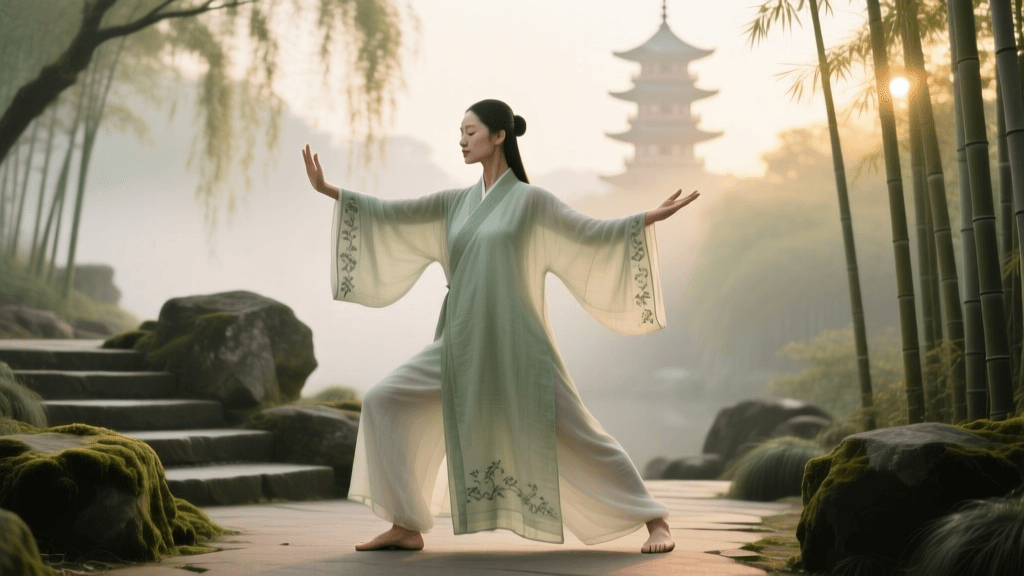
As we navigate the wellness landscape of 2026, the intersection of traditional Chinese movement arts and historical fashion has never been more vibrant. The global resurgence of Hanfu is no longer confined to street fashion, photography, or ceremonial wear. Today, dedicated practitioners of Tai Chi and Qigong are increasingly turning to authentic, historically inspired garments to deepen their mind-body connection. This shift is heavily influenced by the Xin Zhongshi (new Chinese style) movement, which in 2026 has matured into a sophisticated blend of ancient aesthetics and modern ergonomic needs.
When you practice Tai Chi or Qigong, your clothing should not merely cover your body; it should facilitate the unhindered flow of Qi (vital energy). Restrictive modern activewear, with its tight compression fabrics and synthetic seams, can sometimes work against the traditional philosophy of relaxed, expansive movement. Hanfu, with its flat-cut patterns, generous ease, and natural fibers, offers a profound alternative. According to the National Center for Complementary and Integrative Health, the meditative and physical benefits of Tai Chi and Qigong are maximized when the practitioner is in a state of deep physical comfort and mental grounding. Choosing the right traditional garment is a crucial step in achieving this state.
Why Fabric Choice Dictates Your Qi Flow
In traditional Chinese medicine and martial arts philosophy, the skin is considered the body's third lung, responsible for breathing and regulating temperature. During a vigorous Qigong session or a slow, deep Tai Chi form, your body temperature fluctuates. Synthetic fabrics trap heat and moisture, creating a stagnant microclimate that disrupts your focus and physical comfort. Natural fibers, historically used in Chinese garment-making, allow the skin to breathe and adapt to the environment.
In 2026, the textile market has seen a massive revival of heritage weaving techniques combined with sustainable processing. We are seeing a return to hand-woven ramie, peace silk, and organic bamboo-linen blends that honor ancient traditions while meeting modern ecological standards. The drape of these fabrics is essential; a fabric that is too stiff will resist your movements, while a fabric that is too heavy will weigh down your limbs, disrupting the lightness required for forms like 'Cloud Hands' or 'White Crane Spreads Its Wings'.
2026 Fabric Comparison Chart for Wellness Wear
| Fabric Type | Breathability | Drape and Weight | Best Practice Environment | 2026 Avg. Price (USD) |
|---|---|---|---|---|
| Ramie (Xia Bu) | Exceptional | Crisp, lightweight, structured | Outdoor summer Qigong, hot climates | $45 - $85 |
| Mulberry Silk (Habotai) | High | Fluid, medium-weight, soft | Indoor Tai Chi, studio practice | $90 - $160 |
| Bamboo-Linen Blend | Very High | Soft, medium drape, durable | All-season outdoor movement | $55 - $100 |
| Xiangyunsha (Gambiered Silk) | Medium-High | Crisp, cool to touch, premium | Premium wellness retreats, morning dew | $180 - $320 |
Top Hanfu Silhouettes for Tai Chi and Qigong
Not all Hanfu styles are suitable for deep stances, sweeping arm movements, or grounded footwork. While the grand, trailing sleeves of the Ming Dynasty Daopao are visually stunning, they are impractical for active wellness routines. The Xin Zhongshi wellness movement of 2026 favors historical silhouettes that prioritize mobility, layering, and joint articulation.
1. The Duanda (Short Jacket and Trousers)
Historically worn by martial artists, laborers, and travelers, the Duanda is the quintessential uniform for dynamic movement. It consists of a cross-collared or mandarin-collared short jacket paired with loose-fitting trousers. In 2026, modern wellness brands have refined the Duanda by adding hidden gussets in the crotch and underarms, allowing for deep horse stances (Ma Bu) without pulling at the seams. The jacket is typically secured with a simple cloth belt or internal ties, keeping the torso wrapped and warm, which is vital for protecting the Dantian (the body's energy center) during cool morning practices.
2. Songku (Wide-Leg Trousers) with a Beizi (Open Jacket)
For practitioners who prefer a more flowing, elegant aesthetic, the Song dynasty-inspired Songku paired with a Beizi is an outstanding choice. The Songku are high-waisted, wide-leg trousers that mimic the look of a skirt while providing the absolute freedom of pants. When paired with a knee-length or calf-length Beizi (an open-front jacket with side slits), the silhouette creates a beautiful, cascading visual effect as you move. The side slits of the Beizi allow for unrestricted hip rotation, making it ideal for gentle Qigong flows and standing meditation (Zhan Zhuang).
3. The Modified Xin Zhongshi Wrap Top
If you are transitioning from modern yoga wear to traditional garments, the modified wrap top is the most accessible entry point. Featuring the classic 'Jiaoling Youren' (cross-collar right over left) closure, these tops are tailored slightly closer to the body than historical outerwear but retain the flat-cut shoulder construction. They are often paired with modern linen drawstring pants. This hybrid approach is incredibly popular in 2026 urban wellness studios, bridging the gap between historical reverence and contemporary convenience.
Grounding Your Practice: Traditional Footwear
The connection between your feet and the earth is foundational in Tai Chi and Qigong. Modern rubber-soled running shoes elevate the heel, alter your posture, and block the sensory feedback from the ground. To truly root yourself, traditional footwear is highly recommended.
- Lao Beijing Cloth Shoes: These traditional cotton shoes feature a flat, flexible sole made from layered cotton and hemp. They allow your toes to splay naturally and provide excellent tactile feedback on wooden floors or smooth stone.
- Hemp-Woven Sandals: For outdoor practice in warmer months, traditional hemp sandals offer a minimalist, zero-drop profile that grounds the foot while protecting the sole from rough terrain.
- Modern Minimalist Wellness Shoes: In 2026, several Xin Zhongshi footwear brands have introduced shoes that look like traditional cloth shoes but feature ultra-thin, natural rubber soles for better grip on damp grass or modern studio mats.
Caring for Your Wellness Hanfu in 2026
Wellness garments are subjected to sweat, frequent washing, and outdoor elements. Proper care is essential to maintain the integrity of natural fibers. Ramie and linen blends should be hand-washed in cool water with a pH-neutral detergent to prevent the fibers from becoming brittle. Avoid wringing them out; instead, press the water out gently and lay them flat to dry in the shade. Direct sunlight can degrade natural dyes and weaken plant-based fibers over time.
Silk garments, particularly premium Xiangyunsha, require specialized care. Xiangyunsha is dyed with yam juice and mud, giving it a unique, water-resistant finish that actually improves with gentle wear and washing. However, it should never be exposed to alkaline soaps or machine agitation. As Harvard Health Publishing notes, the ritualistic aspects of mind-body practices extend beyond the physical movements into the lifestyle and care of one's environment and tools. Treating your Hanfu with respect and mindfulness is an extension of your Qigong practice.
Final Thoughts on Moving Tradition Forward
The integration of Hanfu into Tai Chi and Qigong is more than a passing trend; it is a reclamation of the holistic lifestyle that ancient Chinese wellness practices were built upon. By choosing garments that honor historical construction, utilize breathable natural fibers, and allow for unrestricted movement, you create a seamless bridge between your inner energy and the outer world. As the Xin Zhongshi movement continues to evolve throughout 2026, practitioners are finding that the right traditional clothing does not just change how they look—it fundamentally transforms how they feel, move, and breathe.