Top Japanese Fashion Schools & Kimono Apprenticeships 2026
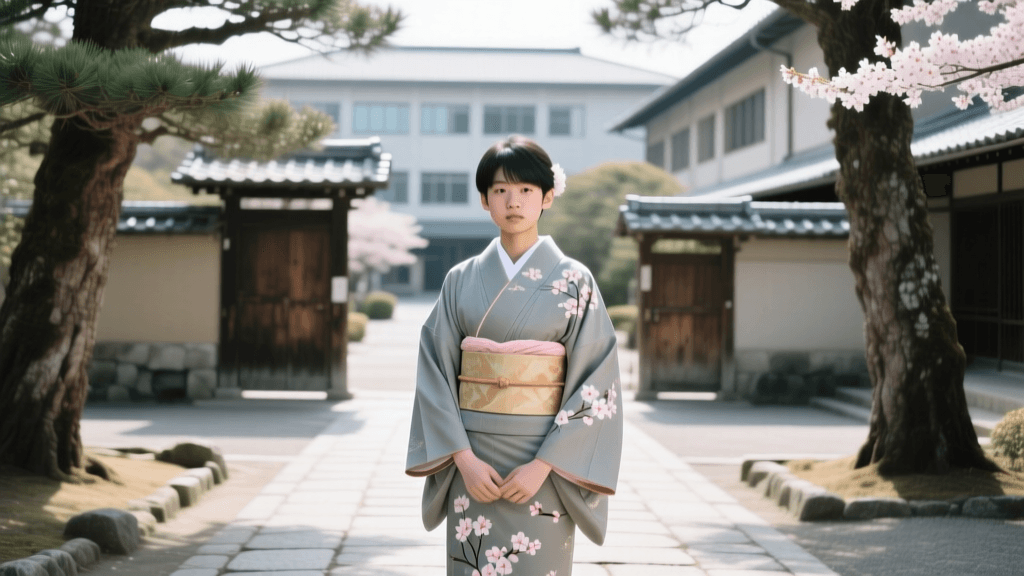
The Renaissance of Japanese Garment Education in 2026
As we navigate through 2026, the landscape of Japanese fashion education is experiencing a profound renaissance. Driven by a global resurgence of interest in sustainable, slow fashion and a domestic push to preserve intangible cultural heritage, the study of traditional Japanese garments—such as the kimono, yukata, and hakama—has never been more vital. According to Japan's Ministry of Education, Culture, Sports, Science and Technology (MEXT), recent governmental grants have significantly bolstered programs that fuse ancient textile techniques with modern design pedagogy. For aspiring designers, historians, and artisans, Japan offers two distinct but equally rewarding pathways: formalized fashion education at premier universities and the rigorous, time-honored deshi (apprenticeship) system.
This comprehensive guide explores the top institutions and traditional workshops shaping the future of Asian garment arts in 2026, providing actionable insights into admissions, costs, and the sensory realities of mastering centuries-old crafts.
Premier Fashion Institutions: Where Tradition Meets Innovation
Bunka Fashion College (Tokyo)
Founded in 1923, Bunka Fashion College remains the undisputed titan of Japanese fashion education. In 2026, Bunka has expanded its renowned Department of Traditional Arts to include cutting-edge digital preservation techniques alongside hands-on textile manipulation. Students in the Kimono Design and Technology track spend their first year mastering kitsuke (the art of dressing) and the structural geometry of the tanmono (traditional fabric bolt). By their second year, they are introduced to 3D digital draping software that allows them to visualize complex shibori (tie-dye) and yuzen (resist-dyeing) patterns before committing to physical silk.
- 2026 Tuition: Approximately 1,250,000 JPY (approx. $8,300 USD) per year for the two-year advanced diploma.
- Language Requirement: JLPT N2 or higher, with specialized vocabulary modules provided in the first semester.
- Highlight: Access to Bunka’s newly renovated 2026 Textile Archive, housing over 10,000 Edo and Meiji-period garment fragments for direct study.
Kyoto Seika University & Kyoto College of Art
Located in the cultural heart of Japan, Kyoto Seika University offers a deeply immersive environment for textile arts. Their Faculty of Art and Design emphasizes the philosophical and spiritual roots of Japanese craftsmanship, heavily integrating Zen aesthetics and the concept of wabi-sabi into garment creation. The 2026 curriculum places a heavy emphasis on natural dyeing processes, utilizing locally sourced indigo (sukumo), persimmon tannin (kakishibu), and madder root. Students spend weeks in rural satellite campuses in Amami Oshima to study Oshima Tsumugi (mud-dyed silk pongee), experiencing the intense physical labor and sensory richness of traditional island weaving.
The Deshi System: Traditional Kimono Apprenticeships
While universities offer academic breadth, the deshi (apprenticeship) system offers unparalleled, hyper-specialized depth. In 2026, securing an apprenticeship under a Living National Treasure or a recognized master artisan remains highly competitive. The deshi system is built on the concept of minarai—learning by watching. Apprentices may spend the first two years simply preparing dyes, sweeping the workshop, and observing the master’s posture and tool handling before ever touching a bolt of silk.
Nishijin-ori Weaving in Kyoto
The Nishijin district in Kyoto is world-famous for its intricate, jacquard-like brocades. Apprenticeships here focus on the operation of the ji-bata (traditional handloom) and the meticulous preparation of gold and silver leaf threads. The sensory experience of a Nishijin workshop is unforgettable: the deafening, rhythmic clack of the batten (shuttle), the smell of raw silk and machine oil, and the visual brilliance of metallic threads catching the ambient light. Master weavers in 2026 are actively seeking international apprentices to inject fresh perspectives into historic motifs, though the physical endurance required to sit at a loom for ten hours a day is immense.
Kaga Yuzen Dyeing in Kanazawa
Kanazawa, a city spared from wartime bombing, is the epicenter of Kaga Yuzen, a highly realistic, pictorial dyeing technique. Unlike the bold, graphic patterns of Kyoto’s Kyo Yuzen, Kaga Yuzen features delicate gradients (bokashi) and naturalistic depictions of flora and fauna. Apprentices must master the use of the hera (bamboo spatula) to apply rice-paste resist, and the precise application of the five traditional Kaga colors (indigo, ochre, purple, grass green, and maroon). Apprenticeships typically last three to five years, with senior apprentices eventually earning the right to design their own sections of a master’s commissioned kimono.
2026 Comparison: Formal Education vs. Traditional Apprenticeship
Choosing between a university degree and a workshop apprenticeship depends entirely on your career goals. The table below outlines the core differences for prospective students in 2026.
| Feature | University (e.g., Bunka, Kyoto Seika) | Traditional Deshi Apprenticeship |
|---|---|---|
| Duration | 2 to 4 Years | 3 to 10 Years (until master approval) |
| Curriculum Focus | Broad: Design theory, history, digital tools, business | Hyper-specialized: Mastery of one specific craft (e.g., dyeing or weaving) |
| Financial Model | Tuition-based (Approx. $8,000 - $12,000 USD/year) | Stipend-based (Housing/food provided, small monthly allowance of 50,000 - 80,000 JPY) |
| Credential | Diploma / Bachelor of Fine Arts | Certificate of Mastery (recognized by local artisan guilds) |
| Best For | Fashion designers, historians, brand entrepreneurs | Dedicated artisans, conservators, master-craft hopefuls |
Core Techniques Mastered in 2026 Programs
Whether in a classroom or a dusty workshop, students in 2026 are expected to achieve proficiency in several foundational techniques before graduating or completing their terms:
- Shibori (Shaped Resist Dyeing): Students learn the 23 primary binding techniques, from kanoko (fawn-spot) to arashi (storm) pole-wrapping, understanding how tension and silk grain affect the final indigo bleed.
- Sashiko and Boro: Once a peasant necessity, functional mending is now taught as a high-art form. Students study the mathematics of running stitches and the ethical philosophy of garment longevity.
- Katagami (Stencil Carving): Utilizing smoked mulberry paper, apprentices carve microscopic geometric patterns. In 2026, laser-cutting is taught alongside hand-carving to understand the limitations and benefits of both methods.
- Roketsuzome (Japanese Batik): Using beeswax and specialized brass tools (chanting), students learn to create organic, crackled patterns on silk crepe (chirimen).
Practical Guide for International Applicants
For international students looking to enter Japanese fashion schools or apprenticeships in 2026, preparation must begin at least 18 months in advance. The Japan National Tourism Organization and various cultural bureaus have streamlined the visa process for artisans, but the bureaucratic hurdles remain significant.
- Visa Pathways: University students will apply for a standard Student Visa. However, those entering a traditional apprenticeship must often secure a "Designated Activities" visa or an "Instructor" visa, depending on whether they are receiving a stipend or paying for private tutelage. Sponsorship from the master artisan or the local cooperative is mandatory.
- Language Proficiency:While some universities offer English-taught modules, the deshi system operates entirely in Japanese, often utilizing regional dialects (such as Kyoto-ben or Kanazawa-ben) and archaic craft terminology. Achieving JLPT N2 is the absolute minimum, but N1 is highly recommended for apprenticeships.
- Portfolio Preparation: Universities require digital portfolios showcasing sketching, sewing, and conceptual design. Apprenticeships, conversely, require a physical portfolio. Masters want to see your patience, your hand-stitching consistency, and your respect for materials. Include samples of natural dyeing, hand-woven textiles, and evidence of repetitive, meditative practice.
- Networking:Attend the annual Kyoto Traditional Crafts Exhibition or the Tokyo Kimono Week. Many apprenticeships in 2026 are still secured through face-to-face introductions and the demonstration of sincere, long-term commitment to the craft.
Conclusion
The year 2026 represents a critical juncture for Japanese traditional garments. As the original generation of post-war Living National Treasures passes the torch, the demand for dedicated, culturally respectful, and technically proficient students is at an all-time high. Whether you choose the structured, innovative halls of Bunka Fashion College or the demanding, incense-scented workshops of a Kanazawa dye house, studying Japanese fashion traditions is not merely an academic pursuit. It is a profound commitment to preserving the sensory, spiritual, and sartorial heritage of Asia for generations to come.