Hanfu Travel Guide 2026: Packing Tips & Photo Destinations
The Global Rise of Hanfu Tourism in 2026
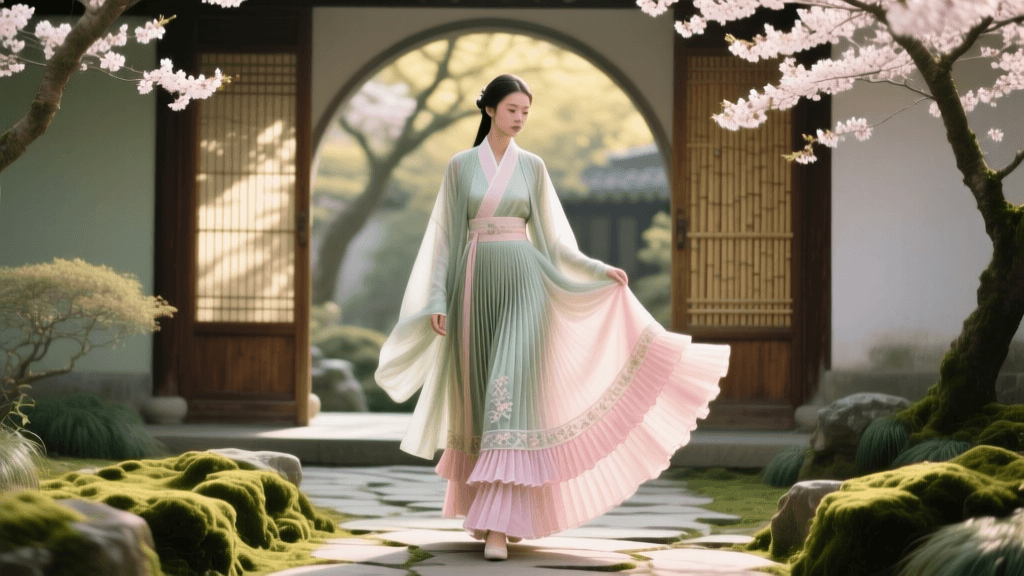
The intersection of traditional Asian garments and modern travel has never been more vibrant than in 2026. Driven by the explosive growth of the Xin Zhongshi (new Chinese style) movement, Hanfu has transitioned from a niche historical hobby to a global fashion statement. Today, travelers are not just packing casual wear; they are carefully transporting intricate Mamianqun (horse-face skirts), flowing Ruqun, and embroidered Beizi to capture breathtaking photography across Asia's most iconic heritage sites. However, traveling with traditional garments presents unique logistical challenges. Delicate silks, structured brocades, and intricate metal hair accessories require specialized packing techniques to ensure they arrive in pristine, camera-ready condition.
Whether you are embarking on a dedicated Hanfu photography tour or simply wish to incorporate traditional elements into your vacation wardrobe, mastering the logistics of garment care on the road is essential. This comprehensive 2026 guide covers the exact packing methodologies used by professional heritage photographers and outlines the top destinations where traditional Asian attire is not just welcomed, but celebrated.
Mastering the Art of Packing Traditional Garments
Unlike modern fast fashion, traditional Hanfu garments are often constructed from natural fibers like mulberry silk, linen, and heavy jacquard brocades. These materials are highly susceptible to permanent creasing, moisture damage, and friction wear. In 2026, while many brands offer 'travel-ready' synthetic blends with heat-set pleats, high-end traditional pieces still demand meticulous packing strategies.
Handling the Mamianqun (Horse-Face Skirt)
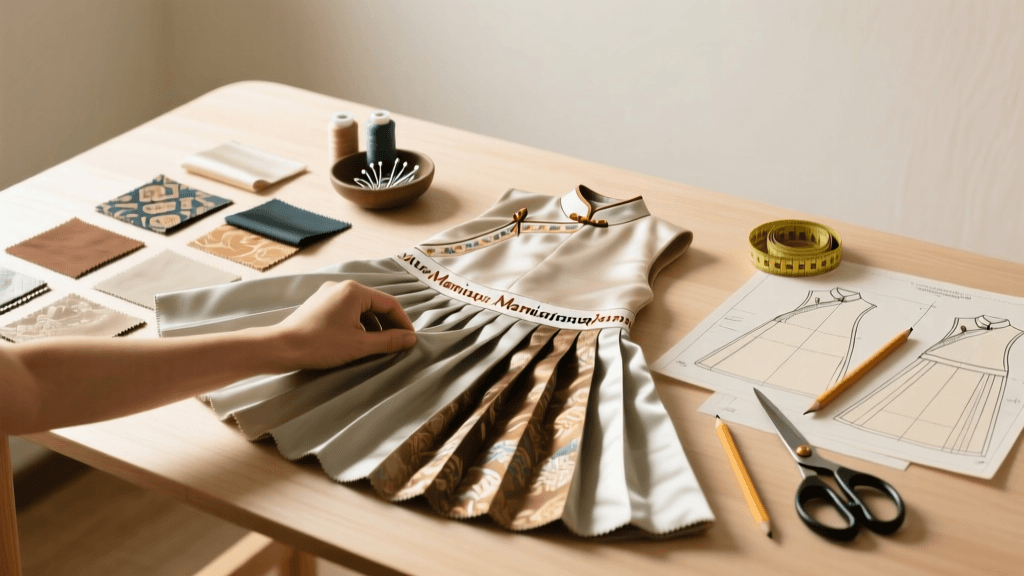
The Mamianqun is arguably the most iconic and challenging garment to pack due to its complex pleating structure. The skirt features flat front and back panels with deeply folded side pleats that can easily become misaligned or crushed in a standard suitcase.
- The Accordion Method: Never roll a silk Mamianqun. Lay the skirt completely flat on a clean surface. Fold the flat front and back panels inward toward the center. Then, carefully follow the existing pleat lines on the sides, folding them accordion-style.
- Tissue Paper Buffering: Friction is the enemy of silk. Place sheets of acid-free archival tissue paper between every major fold. This prevents the fibers from rubbing together and stops deep creases from setting during transit.
- Rigid Support: For heavily embroidered or stiff brocade skirts, place a piece of flexible, cut-to-size cardboard or a specialized plastic folding board at the base of the folded skirt to maintain structural integrity.
Packing Silk and Brocade Tops (Ruqun and Beizi)
Tops such as the Duijin Beizi (front-opening jacket) and cross-collar Ruqun shirts are more forgiving but still require care. For pure silk organza or lightweight damask, the 'military roll' technique is highly effective. Lay the garment flat, fold the sleeves inward to create a long rectangle, and roll tightly from the bottom hem to the collar. This method minimizes hard fold lines and maximizes suitcase space. Heavely lined winter jackets or stiff brocade outerwear should be folded using the tissue-paper buffering method and placed at the very top of your luggage to avoid compression weight.
Essential Hanfu Travel Kit for 2026
Upgrading your travel gear is crucial for protecting your investment in traditional garments. Below is a curated list of the most effective packing tools utilized by Hanfu enthusiasts in 2026.
| Item Category | 2026 Recommended Gear | Primary Use for Hanfu | Approx. Weight |
|---|---|---|---|
| Compression Cubes | Peak Design Packing Cubes | Volume reduction for bulky winter Hanfu and outerwear | 120g |
| Tissue Paper | Gaylord Archival Acid-Free Tissue | Protecting Mamianqun pleats and silk embroidery from friction | 50g |
| Portable Steamer | Philips Travel Steamer STH3020 | Rapid wrinkle release for delicate silks upon hotel arrival | 650g |
| Accessory Roll | Bagsmart Electronics Organizer | Storing and protecting metal hairpins (zan) and dangling buyao | 80g |
| Garment Bag | Delsey Garment Sleeve | Carrying highly structured, unbendable formal court attire | 250g |
Top Destinations for Hanfu Photography in 2026
Choosing the right destination is just as important as packing the right garments. In 2026, several Asian cities have actively embraced traditional fashion tourism, offering dedicated changing rooms, historical backdrops, and welcoming local communities.
1. Luoyang, China: The Epicenter of Hanfu Culture
Luoyang has cemented its status as the undisputed capital of Hanfu tourism. According to recent initiatives highlighted by China's Ministry of Culture and Tourism, the city has heavily invested in immersive historical experiences. The Luoyi Ancient City and the spectacular Longmen Grottoes provide unparalleled backdrops for Tang and Wei-Jin dynasty styles. In 2026, Luoyang's infrastructure is fully optimized for traditional dress; public transit, restaurants, and even modern shopping malls frequently feature Hanfu-clad visitors. The city's night markets, illuminated by thousands of traditional lanterns, offer a magical atmosphere for evening photography, making it a must-visit for any serious enthusiast.
2. Nara, Japan: Tracing the Tang Dynasty Silk Road
For those interested in the cross-cultural exchange of the Silk Road, Nara offers a profound historical connection to Chinese antiquity. The UNESCO Silk Roads Programme extensively documents how Tang dynasty aesthetics deeply influenced early Japanese architecture and court dress. Wearing Tang-style Hanfu (such as the Qixiong Ruqun or round-collar Paoshan) against the backdrop of Todai-ji Temple and the roaming deer of Nara Park creates a visually stunning dialogue between shared Asian histories. The Shosoin repository in Nara, which houses actual 8th-century Tang textiles, serves as a profound pilgrimage site for textile historians and fashion enthusiasts alike.
3. Gyeongju, South Korea: Silla Dynasty Elegance
Gyeongju, the ancient capital of the Silla Kingdom, is a city that functions as a massive open-air museum. The historical trade routes between Silla and Tang China make this an incredibly fitting location for Hanfu photography, particularly for styles that reflect the cosmopolitan exchanges of the era. The Daereungwon Tomb Complex and the Cheomseongdae observatory provide earthy, natural tones that contrast beautifully with the vibrant reds, golds, and jade greens of traditional Hanfu. The local government has fostered a highly respectful environment for traditional dress, and renting or wearing historical garments is a celebrated part of the local tourism economy.
Navigating Airports and Transit with Hanfu Accessories
One of the most frequently overlooked aspects of traveling with Hanfu is the management of traditional hair accessories. A complete Hanfu look often requires an array of metal hairpins, including the Zan (single-pronged pins) and the Buyao (dangling, multi-pronged hairpieces).
Security Checkpoints: Many traditional metal hairpins feature sharply tapered ends designed to grip thick volumes of hair. Airport security agencies globally classify these as potential weapons. You must pack all sharp metal hairpins in your checked luggage. If you are traveling with carry-on only, opt for modern acrylic, resin, or blunt-tipped wooden hairpins, which are generally permitted through security checkpoints.
In-Transit Care: Buyao are notoriously fragile, with delicate enamel flowers, pearls, and swaying metal springs that can easily snap under pressure. Never throw these into a standard toiletry bag. Use a dedicated electronics organizer roll with elastic loops and padded dividers. Wrap each individual Buyao in a soft microfiber cloth or a small jewelry pouch to prevent the metal springs from tangling and the enamel from chipping against other accessories.
Conclusion
Traveling with Hanfu in 2026 is a deeply rewarding experience that bridges the gap between historical reverence and modern exploration. By investing in the right archival packing materials, mastering specialized folding techniques for complex garments like the Mamianqun, and selecting destinations that celebrate traditional heritage, you can ensure your garments remain as flawless as the memories you create. Whether you are walking the ancient streets of Luoyang or tracing the Silk Road's legacy in Nara, your traditional attire will serve as a beautiful, living testament to Asia's enduring cultural tapestry.