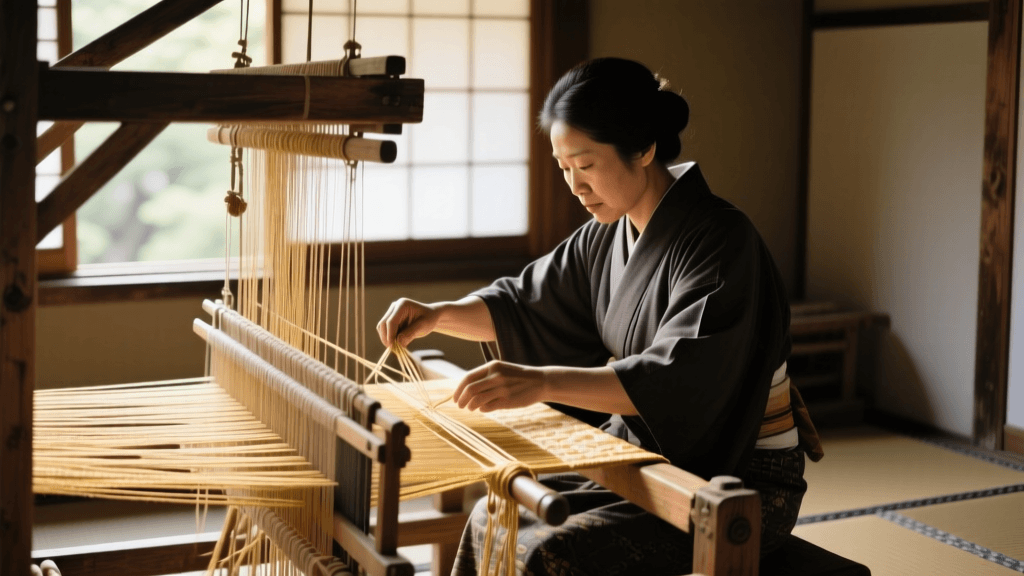
Kimono Storage Preservation 2026: Archival Methods & Care
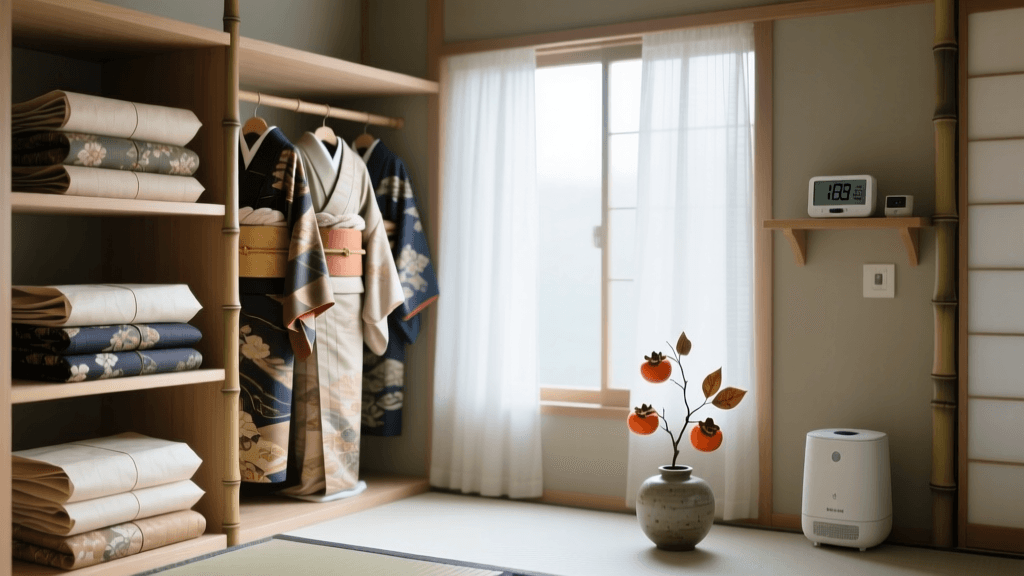
The Art and Science of Kimono Preservation in 2026
Preserving a traditional Japanese kimono is an intricate dance between honoring historical customs and applying modern conservation science. Unlike contemporary garments, a kimono is constructed from a single bolt of fabric, often utilizing delicate silk, metallic threads, and natural dyes that are highly susceptible to environmental degradation. As we move through 2026, private collectors and textile enthusiasts face new challenges driven by shifting global climates and fluctuating indoor humidity levels. Proper kimono storage preservation is no longer just about keeping moths away; it is about creating a stable microclimate that halts the chemical breakdown of protein fibers.
Whether you are safeguarding a family heirloom from the Taisho era, a heavily embroidered uchikake wedding kimono, or a collection of vintage mid-century obi sashes, the principles of archival storage remain paramount. This comprehensive guide explores the intersection of traditional Japanese wrapping techniques and cutting-edge 2026 environmental monitoring, ensuring your textile collection survives for generations to come.
Climate Control: The Invisible Shield
Silk is a natural protein fiber that reacts violently to environmental stress. High humidity encourages mold growth and causes natural dyes to bleed, while excessively dry conditions make the fibers brittle and prone to shattering along fold lines. In 2026, the gold standard for textile conservation dictates maintaining a relative humidity (RH) between 50% and 55%, with a stable temperature around 65°F to 68°F (18°C to 20°C).
Modern collectors are increasingly relying on smart environmental sensors to maintain these parameters. The latest 2026 models of Wi-Fi-enabled thermo-hygrometers offer real-time smartphone alerts if your storage room's RH drops below 45% or spikes above 60%. Placing these discreet sensors inside your storage drawers or cedar chests (tansu) allows you to monitor the microclimate directly surrounding the garments, rather than relying on the general room thermostat. If you live in a region with extreme seasonal shifts, integrating a smart dehumidifier or a dedicated HVAC system with HEPA filtration is a necessary investment for serious collection management.
Traditional Meets Modern: Tatou and Washi Paper
The cornerstone of Japanese garment storage is the tatou—a specialized wrapping paper used to encase the folded kimono. Historically, the Japanese understood that textiles needed to breathe. Today, museum conservators and private collectors alike insist on using unbleached, acid-free washi (traditional Japanese paper) for this purpose. The craftsmanship of traditional washi is so vital to cultural preservation that it has been globally recognized for its durability and archival qualities, as noted by UNESCO's Intangible Cultural Heritage registry.
When selecting washi for your tatou in 2026, ensure the paper is certified acid-free and lignin-free. Standard wood-pulp papers contain acids that will off-gas over time, causing yellowing and severe weakening of the silk fibers they touch. A proper tatou sheet should measure approximately 85cm by 65cm, allowing enough overlap to fully enclose a standard folded kimono without the fabric touching the exterior storage drawer.
The Correct Folding and Wrapping Technique
- Preparation: Ensure the kimono is freshly cleaned by a specialized textile conservator before storage. Never store a garment with invisible stains, as organic residues will oxidize and attract pests.
- Folding: Follow the traditional hon-datami folding method, which aligns the seams to prevent uneven stress on the fabric.
- Cushioning: Place rolled, acid-free tissue paper inside the folds to prevent sharp creases. Sharp creases can lead to fiber breakage over decades of storage.
- Wrapping: Lay the kimono on the washi tatou, fold the left side over, then the right, and finally fold the top and bottom flaps. Secure the package with a flat, unbleached cotton twill tape or a traditional paper cord (koyori). Never use rubber bands, synthetic tapes, or metal pins.
Comparing Storage Materials for 2026 Collections
Choosing the right materials for your storage environment is critical. Below is a comparison of common materials used in kimono collection management today.
| Material | Breathability | Archival Safety | Best Use Case |
|---|---|---|---|
| Acid-Free Washi (Tatou) | Excellent | Museum-Grade | Primary wrapping for all silk and woven textiles. |
| Unbleached Muslin | Good | High (if washed) | Secondary outer cover or dust shield for obi. |
| Archival Polyester (Mylar) | None | Museum-Grade | Isolating garments with unstable dyes or active mold. |
| Standard Plastic Bins | None | Poor (Off-gassing) | Never use for direct silk storage; traps moisture. |
| Cedar Wood (Kiri/Tansu) | Moderate | Good (Natural) | Traditional drawer storage; naturally regulates humidity. |
Pest Prevention Without Harsh Chemicals
The webbing clothes moth (Tineola bisselliella) and carpet beetles are the natural enemies of protein-based fibers like silk and wool. In the past, collectors relied heavily on chemical mothballs containing naphthalene or paradichlorobenzene. In 2026, these chemicals are strongly discouraged by conservation experts. Not only are they toxic to humans, but their chemical vapors can react with metallic threads (surihaku) and gold leaf applications, causing irreversible tarnishing and blackening.
According to the Victoria and Albert Museum's textile conservation guidelines, preventive care and environmental monitoring are vastly superior to chemical interventions. To protect your kimono collection naturally:
- Natural Repellents: Use natural camphor (shounou) or hinoki (Japanese cypress) wood blocks. These emit a mild, natural scent that deters insects without harming delicate metallic threads. Ensure these natural repellents do not directly touch the silk; place them in small breathable cotton sachets in the corners of your storage drawers.
- Isolation: If you acquire a new vintage kimono, quarantine it in a sealed archival polyester bag for at least two weeks to ensure no dormant pest eggs are introduced to your main collection.
- Freezing Treatment: If an infestation is suspected, the garment can be sealed in a plastic bag and frozen at -4°F (-20°C) for 72 hours to kill all life stages of the moth, followed by a gradual return to room temperature to prevent condensation.
Digital Collection Management in 2026
As collections grow, remembering the exact condition, provenance, and storage location of each piece becomes a logistical challenge. In 2026, digital collection management has evolved beyond simple spreadsheets. Modern collectors utilize specialized textile cataloging applications that leverage AI to assist in identifying weave structures, motif histories, and dye techniques.
When cataloging your kimono, ensure you capture high-resolution photographs of the overall garment, the lining (hakkake), the family crest (kamon), and any areas of concern such as fading, spots, or loose threads. Documenting the metadata—including the estimated era (e.g., Showa period), the type of silk (e.g., chirimen crepe or rinzu satin), and the specific drawer or acid-free box where it resides—streamlines the retrieval process and minimizes unnecessary handling. Proper handling is essential; always wash and dry your hands thoroughly, or wear clean, lint-free cotton gloves when moving archived pieces to prevent the transfer of natural skin oils to the silk.
The Tradition of Mushiboshi: Seasonal Airing
Even with perfect climate control, the Japanese tradition of mushiboshi (literally 'insect airing') remains a vital practice for collection management. Traditionally performed in late autumn or early winter when the air is crisp, dry, and cool, this process involves removing the kimonos from their storage, unwrapping the tatou, and allowing the garments to breathe.
During mushiboshi, the kimonos are hung on specialized kimono hangers (emono) in a shaded, well-ventilated room. Direct sunlight must be strictly avoided, as UV radiation will rapidly fade natural dyes and degrade silk proteins. This airing process allows any trapped moisture to escape, gives you the opportunity to inspect the collection for early signs of mold or pests, and allows you to replace the washi paper or natural camphor if necessary. In modern urban environments where outdoor air quality or humidity may be unpredictable, collectors often perform this airing process indoors using climate-controlled rooms equipped with HEPA air purifiers to ensure dust and pollutants do not settle on the exposed textiles.
Preserving the Legacy
Managing a kimono collection is a profound responsibility. You are not merely storing clothes; you are acting as a custodian of Asian textile history, preserving the labor of weavers, dyers, and artisans who poured their mastery into every thread. By combining the ancestral wisdom of washi wrapping and seasonal airing with the precision of 2026's smart environmental monitoring, you ensure that these magnificent garments remain vibrant and intact. For further research into historical garment construction and archival standards, the Kyoto Costume Institute archives remain an invaluable resource for understanding the structural nuances of historical Japanese fashion. Treat your collection with the respect it demands, and it will continue to tell its story for centuries to come.