From Silk Markets to Taobao: The Hanfu E-Commerce Boom
The Historical Silk Road and Local Markets
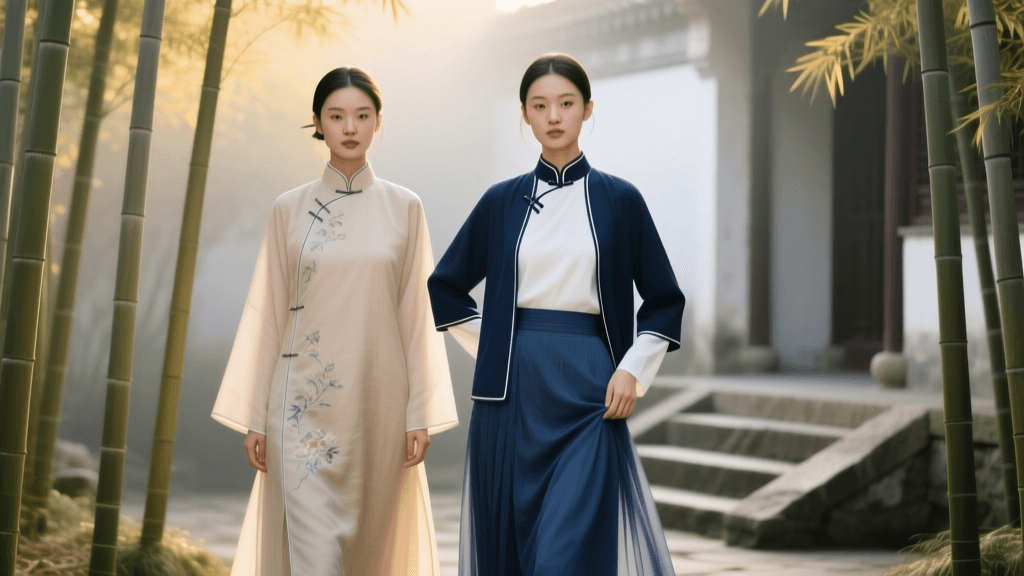
Traditional Chinese clothing, broadly known as Hanfu, has experienced one of the most remarkable cultural and commercial revivals of the 21st century. What was once relegated to historical dramas, museum archives, and niche academic circles is now a thriving, multi-billion-dollar fashion industry. But how did a garment tradition with thousands of years of history adapt to the age of next-day delivery, algorithmic shopping, and global e-commerce? To understand the modern Hanfu market, we must first look at how these garments were historically acquired.
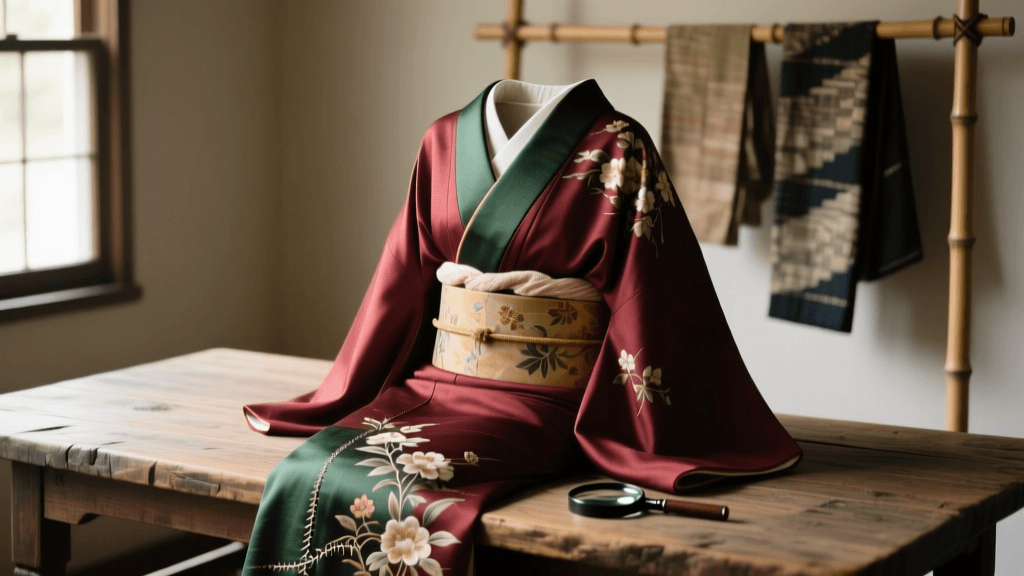
In ancient China, acquiring a high-quality garment was rarely a simple retail transaction; it was an investment in raw materials, regional craftsmanship, and skilled labor. Consumers visited bustling local markets to purchase bolts of silk, linen, ramie, or hemp. The garment creation process was highly decentralized. A buyer would select their textiles based on the season and their social standing, then take the fabric to a local tailor or rely on domestic weaving and sewing. According to The Metropolitan Museum of Art's Heilbrunn Timeline, silk production was a closely guarded secret for millennia, making silk markets the epicenter of luxury fashion and international trade along the Silk Road. Garments were not bought "off the rack"; they were bespoke creations tailored to the wearer's exact measurements and the specific draping requirements of styles like the shenyi (deep robe) or ruqun (blouse and skirt).
The Digital Renaissance: Hanfu Meets E-Commerce
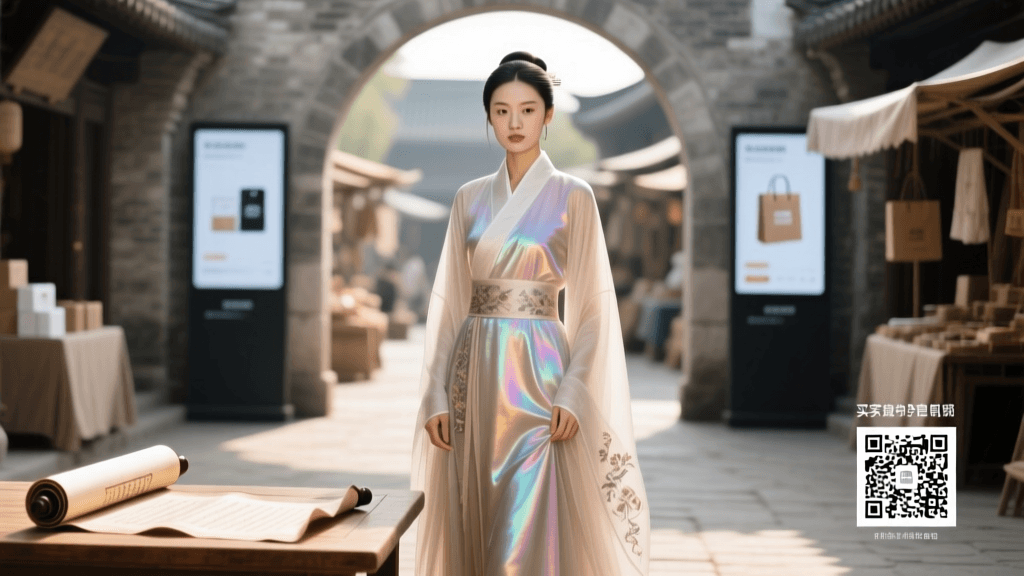
The transition from historical markets to modern e-commerce began in the early 2000s with a grassroots cultural movement. Enthusiasts began recreating historical garments using whatever fabrics they could find in local cloth markets. However, the true commercial explosion occurred in the 2010s with the rise of Taobao, China's massive e-commerce platform. Taobao allowed niche, independent designers to bypass traditional retail gatekeepers and connect directly with a growing demographic of young consumers eager to reconnect with their heritage.
Today, the Hanfu e-commerce ecosystem is a sophisticated machine. Brands like Minghuatang, Shisanyu, and Zhongling operate massive online storefronts, utilizing livestreaming on platforms like Douyin (TikTok) to showcase the drape, sheen, and movement of traditional fabrics. The market has evolved from selling simple, costume-like approximations to offering historically accurate, museum-grade replicas. This digital renaissance has not only democratized access to traditional clothing but has also created a highly competitive market where historical accuracy, fabric quality, and intricate embroidery are heavily scrutinized by an informed online community.
Actionable Guide: Buying Hanfu Online Today
Navigating the modern Hanfu e-commerce landscape can be daunting for international buyers and newcomers. The terminology, sizing, and platform structures are vastly different from Western fast-fashion retailers. Here is your practical guide to purchasing authentic Hanfu online.
1. Mastering the Measurements
Unlike Western clothing, which often relies on standardized S/M/L sizing based on chest and waist, Hanfu sizing is heavily dependent on height and arm span. Because traditional garments feature drop-shoulders and wide, flowing sleeves, the critical measurement is your arm span (fingertip to fingertip with arms outstretched). When ordering from Taobao or specialized Hanfu sites, always provide your height, weight, chest, waist, and arm span in centimeters. Most traditional skirts, like the mamianqun (horse-face skirt), are secured with ties rather than zippers, making waist measurements more forgiving but length measurements crucial.
2. Decoding Terminology for Online Search
To find exactly what you are looking for on e-commerce platforms, you must use the correct terminology. Use these keywords when searching:
- Mamianqun (马面裙): The pleated horse-face skirt, currently the most popular and versatile item for daily wear.
- Ruqun (襦裙): A classic ensemble consisting of a top (ru) and a wrap skirt (qun), popular in Tang and Song dynasty styles.
- Beizi (褙子): A long, open-front jacket worn over other garments, ideal for layering in autumn.
- Zhiling (织金): Meaning "woven gold," this refers to the luxurious brocade techniques used in Ming dynasty garments.
3. Platform Strategies: Taobao vs. International Sites
For the widest selection and best prices, Taobao is unmatched. However, it requires a shopping agent (like Superbuy or Wegobuy) for international shipping, which adds to the cost and transit time (typically 2-4 weeks). For buyers who want direct shipping and English interfaces, platforms like AliExpress or specialized independent brand websites (like Newhanfu or Eryue) are better, though the selection may be limited to mid-tier or budget options.
Price vs. Quality: The Modern Hanfu Market
One of the most common mistakes new buyers make is assuming all Hanfu is created equal. The e-commerce market is distinctly segmented by price, fabric, and historical accuracy. Below is a structured comparison to help you budget and set expectations.
| Market Tier | Price Range (USD) | Primary Fabrics | Lead Time | Best For |
|---|---|---|---|---|
| Budget / Entry | $30 - $70 | Polyester, chiffon, basic cotton blends | In Stock (3-7 days) | Costume events, casual cosplay, beginners on a strict budget |
| Mid-Tier / Enthusiast | $80 - $180 | Cotton-linen blends, jacquard, faux silk, light embroidery | Pre-order (15-30 days) | Daily wear, festival attendance, cultural club meetings |
| High-End / Artisan | $250 - $1,000+ | 100% Mulberry silk, Song damask, authentic Zhuanghua brocade | Pre-order (2-6 months) | Collectors, historical reenactors, formal ceremonies, weddings |
Note: The "Pre-order" model is standard in the mid-to-high tiers. Brands release digital renders and take deposits to fund the weaving of custom fabric bolts, meaning patience is a mandatory part of the modern Hanfu buying experience.
Preserving Intangible Heritage in the Digital Age
While the e-commerce boom has undoubtedly commercialized Hanfu, it has also served as a vital lifeline for traditional artisans. The demand for historically accurate fabrics has revitalized regional weaving industries in cities like Suzhou, Hangzhou, and Nanjing. Techniques that were on the brink of extinction are now being sustained by young consumers willing to pay a premium for authenticity.
The intricate processes of sericulture, silk weaving, and traditional embroidery are not just commercial commodities; they are vital cultural practices. As recognized by UNESCO's Intangible Cultural Heritage list, the craftsmanship of Chinese silk involves generations of knowledge regarding loom operation, thread dyeing, and pattern drafting. E-commerce platforms have allowed small, family-run artisan workshops to bypass mass-market manufacturers, selling their exquisite, hand-woven brocades directly to a global audience of Hanfu enthusiasts.
The global fascination with these textiles continues to grow, mirroring the international acclaim seen in landmark cultural showcases like The Met's China: Through the Looking Glass exhibition, which highlighted the profound impact of Chinese aesthetics on global fashion. Today, that influence has come full circle. By participating in the digital Hanfu market, modern consumers are not merely buying clothes; they are actively funding the preservation of ancient looms, supporting rural artisans, and wearing living history.
Final Tips for the Conscious Consumer
If you wish to support the preservation of traditional crafts through your e-commerce purchases, look for brands that explicitly detail their fabric origins. Seek out terms like fei-si (intangible heritage) in product descriptions, and be willing to wait for the slow-fashion production cycles that authentic, artisan-woven garments require. In doing so, you bridge the gap between the ancient silk markets of the past and the digital storefronts of the future.