Building the Ultimate Hanfu Capsule Wardrobe Essentials
The Rise of the Modern Hanfu Capsule Wardrobe
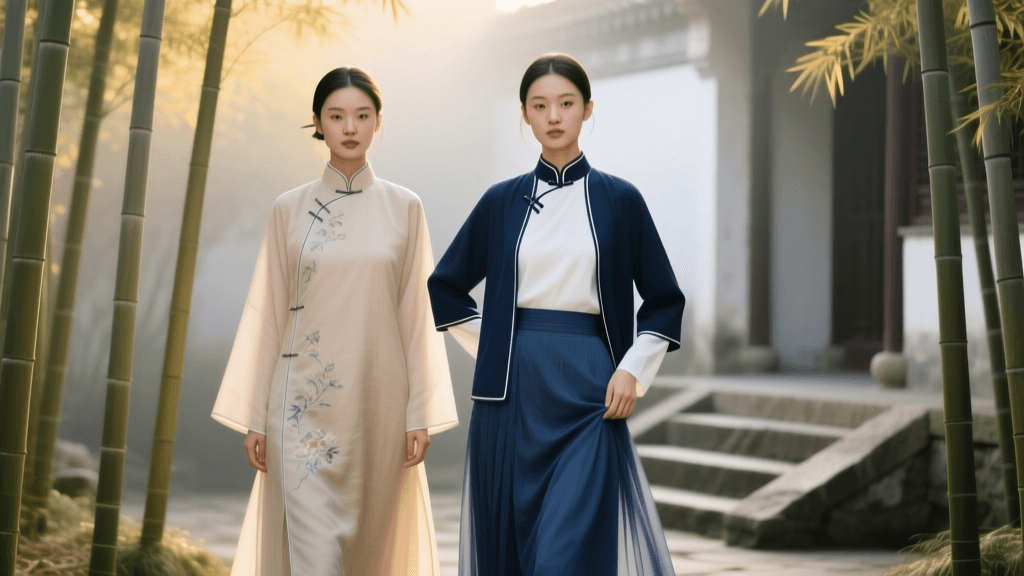
In recent years, the Hanfu movement has transformed from a niche historical reenactment hobby into a vibrant, mainstream cultural renaissance. As noted by BBC News, millions of young people are reclaiming their ancient clothing, integrating traditional Chinese garments into modern daily life, street fashion, and international travel. However, as enthusiasts dive into this rich sartorial history, they often face a common dilemma: the sheer volume of styles, dynasties, and layers can lead to an overwhelming and cluttered closet. The solution lies in applying modern minimalist principles to ancient fashion by building a Hanfu capsule wardrobe.
A capsule wardrobe focuses on a curated collection of versatile, high-quality essentials that can be effortlessly mixed and matched. When applied to Hanfu, this means selecting foundational pieces from various dynasties—such as the Song, Ming, and Tang eras—that share complementary silhouettes, color palettes, and fabric weights. By investing in a strategic selection of tops, skirts, trousers, and outerwear, you can create dozens of distinct outfits suitable for everything from casual coffee shop visits to formal cultural festivals, all while honoring the profound heritage of Asian traditions.
Core Essentials: The Foundation of Your Collection
To build a functional Hanfu capsule, you must start with the foundational layers. These pieces act as the workhorses of your wardrobe, providing the base upon which more elaborate outer layers can be added or removed depending on the season and occasion.
1. The Jiaoling Ru (Cross-Collar Top)
The Jiaoling Ru is the quintessential Hanfu inner top, characterized by its cross-collar that always wraps right over left (a rule known as jiaoling youren). For a capsule wardrobe, opt for a narrow-sleeved or mid-sleeved Ru in a neutral color like ivory, soft beige, or pale celadon. These tops typically cost between $25 and $50 for high-quality cotton-linen blends. When measuring for a Ru, ensure the shoulder seam aligns with your natural shoulder drop, and the hem falls just below the hip bone to allow for easy tucking into high-waisted skirts. Having two of these in rotation ensures you always have a clean base layer ready.
2. The Song Dynasty Beizi (Parallel-Collar Outerwear)
The Beizi is an open-front, parallel-collared jacket that is arguably the most versatile outerwear piece in the Hanfu canon. Unlike heavily structured Ming dynasty coats, the Song Beizi flows elegantly and features high side slits that allow for ease of movement. For your capsule, select a knee-length Beizi in a muted, earthy tone or a subtle botanical embroidery pattern. It can be worn open over a Ru and skirt for a breezy summer look, or layered over a modern turtleneck and Mamianqun for a contemporary fusion outfit in the autumn. Expect to invest around $60 to $120 for a well-tailored Beizi with finished inner seams.
3. The Ming Dynasty Mamianqun (Horse-Face Skirt)
No modern Hanfu wardrobe is complete without the Mamianqun. This iconic pleated skirt features two flat, overlapping front and back panels flanked by structured pleats. It is incredibly forgiving in terms of fit and highly adaptable to modern aesthetics. For a capsule collection, acquire one lightweight woven cotton Mamianqun for spring and summer, and one heavier jacquard or woven brocade skirt for winter. The skirt length should ideally end 3 to 5 centimeters above the ankle bone to prevent the hem from dragging on wet city streets during your daily commute. Prices range from $45 for entry-level polyester blends to over $200 for authentic silk-blend brocades with traditional loom-woven patterns.
4. Songku (Wide-Leg Trousers)
While skirts are visually striking, practical daily wear often demands trousers. The Songku are wide-leg, high-waisted trousers that offer the flowing elegance of a skirt with the practicality of pants. They are perfect for traveling, martial arts practice, or windy days. A pair of neutral-toned Songku made from breathable ramie or linen will seamlessly pair with your cross-collar tops and short Beizi jackets.
Mix-and-Match Guide: Maximizing Your Outfits
The true power of a capsule wardrobe is revealed in its combinatory potential. Below is a structured matrix demonstrating how just four core pieces can generate multiple distinct looks for various occasions.
| Base Top | Bottom | Outer Layer | Best For | Season |
|---|---|---|---|---|
| Ivory Jiaoling Ru | Celadon Mamianqun | None | Casual daytime, museum visits | Summer |
| Ivory Jiaoling Ru | Charcoal Songku | Embroidered Beizi | Travel, street photography | Spring/Autumn |
| Modern Turtleneck | Brocade Mamianqun | Wool Beizi | Formal dinners, winter festivals | Winter |
| Ivory Jiaoling Ru | Celadon Mamianqun | Embroidered Beizi | Tea ceremonies, cultural events | Autumn |
By keeping your base layers neutral and allowing your skirts and outerwear to carry the visual weight and color, you ensure that every combination looks intentional and historically grounded without clashing.
Textiles and Seasonality: Dressing for the Climate
Understanding historical textiles is crucial for building a comfortable, year-round capsule. According to The Metropolitan Museum of Art, the evolution of Chinese dress is deeply intertwined with the mastery of silk weaving, sericulture, and the development of complex loom technologies. However, silk is not always practical for daily, modern wear and tear.
For your summer capsule, prioritize natural plant-based fibers. Ramie, linen, and lightweight cotton are historically accurate for commoners and scholars during the hotter months. They offer excellent breathability and moisture-wicking properties. For winter, look for modern Hanfu merchants who offer wool-blend Beizi and thick, lined Mamianqun made from heavy jacquard weaves. Avoid cheap, unlined polyester, as it traps heat in the summer and offers no insulation in the winter, ultimately ruining the drape and silhouette that makes Hanfu so visually striking.
Accessorizing the Capsule
Accessories bridge the gap between a simple outfit and a fully realized traditional look. To complement your capsule, invest in two types of accessories: hair and waist.
- Hair Accessories (Zan and Chai): A simple wooden or jade hair stick (Zan) can elevate a modern messy bun into a historically inspired style. For more formal events, a twin-pronged hairpin (Chai) with subtle floral metalwork adds elegance without overwhelming the outfit.
- Waist Ornaments (Yaopei): Hanging jade pendants or woven silk tassels from the waistband of your Mamianqun not only adds a beautiful kinetic element as you walk but also historically served to weigh down the skirt and promote a graceful, measured gait.
Budgeting, Sourcing, and Care
Building a high-quality Hanfu capsule wardrobe is an investment. A complete four-piece starter capsule (two tops, one skirt, one outerwear) will generally cost between $150 and $350 if you source from reputable Taobao merchants or established international Hanfu boutiques. Be prepared for shipping timelines; ordering directly from Asian artisans often requires a 3- to 4-week waiting period for production and international transit.
Proper care will ensure your capsule lasts for years. Always hand-wash your garments in cold water using a pH-neutral detergent, especially for pieces with metallic brocade threads or delicate embroidery. Never wring out Hanfu; instead, press the water out gently between two clean towels and hang them to dry in the shade. Direct sunlight will rapidly fade the rich dyes used in traditional textiles. Store your Mamianqun hanging by the waistband to preserve the sharp knife pleats, and fold your Beizi neatly to avoid stressing the shoulder seams.
Conclusion
Building a Hanfu capsule wardrobe is a deeply rewarding process that connects you to centuries of Asian traditions while embracing modern sustainability and minimalism. By carefully selecting versatile foundational pieces like the Jiaoling Ru, the Beizi, and the Mamianqun, you create a living, breathing wardrobe that honors the past while seamlessly fitting into your contemporary life. Whether you are walking through a bustling city street or attending a serene tea ceremony, your curated Hanfu capsule ensures you are always dressed with grace, intention, and cultural pride.