LDS Garments for Women: 2026 Fit, Styles & Guide

Introduction to Women's LDS Garments in 2026
For endowed members of The Church of Jesus Christ of Latter-day Saints, the temple garment is a sacred reminder of covenants made with God. Over the past decade, the options available to women have evolved significantly to accommodate modern wardrobes, diverse climates, and active lifestyles. As of 2026, the distribution model has fully embraced online ordering, providing women with an unprecedented catalog of fits, fabrics, and silhouettes. According to the General Handbook, the garment serves as a protective and spiritual reminder, and the Church continues to refine its designs to ensure women can wear them comfortably and modestly in any professional or personal setting.
This comprehensive 2026 guide explores the current styles, fabric innovations, and precise measuring techniques required to find the perfect fit. Whether you are purchasing your first set of garments after receiving your endowment or updating your wardrobe with the latest breathable materials, understanding these options is essential for daily comfort and spiritual focus.
Navigating the 2026 Neckline and Sleeve Options
One of the most significant advancements in recent years is the variety of necklines and sleeve lengths available to women. In 2026, the official Church Distribution store offers several distinct top styles designed to remain hidden under contemporary fashion trends while maintaining the sacred modesty standards required of the garment.
Neckline Variations
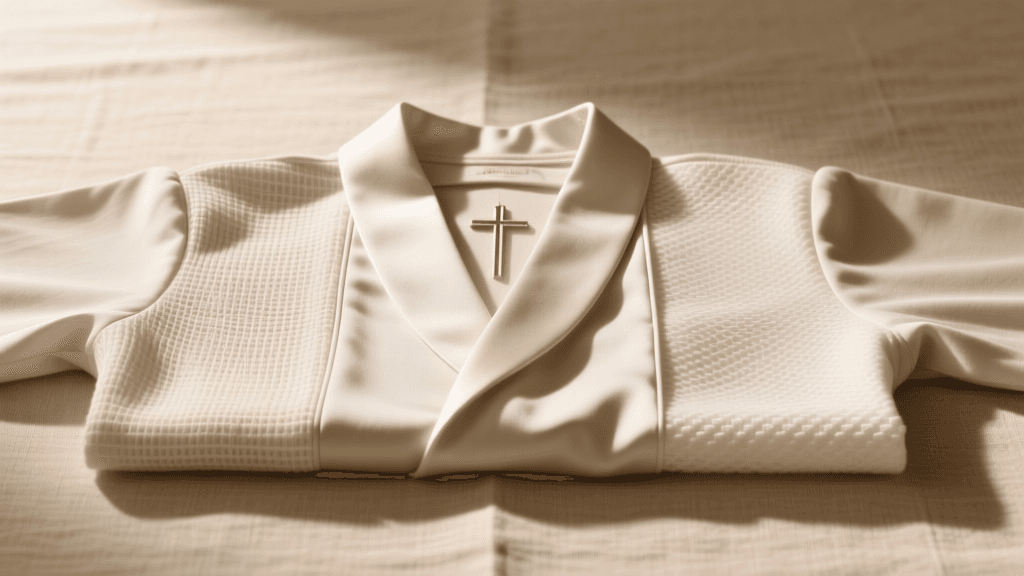
- Crew Neck: The traditional, higher neckline. This is ideal for women who wear modest, higher-collared blouses, turtlenecks, or winter layers. It provides maximum coverage but may peek out under open-button shirts or wide-neck tops.
- Scoop Neck: A wider, gently curved neckline that sits lower on the collarbone. This is the most versatile option for 2026, pairing perfectly with standard t-shirts, casual blouses, and moderate V-necks without being visible.
- V-Neck: Designed specifically for deeper necklines, wrap dresses, and professional blazers. The V-neck garment allows women to participate in formal or corporate environments without the garment showing at the bust line.
- Rounded (Deep): Similar to the scoop but with a slightly more pronounced drop, catering to women who wear boat-neck or wide-shoulder garments.
Sleeve Lengths
While men's garments often feature longer sleeves, the standard for women in 2026 remains the Cap Sleeve. The cap sleeve sits just over the shoulder cap, allowing women to wear short-sleeved or sleeveless tops (provided the outer clothing meets modesty guidelines) without the garment sleeve extending beyond the outer shirt. For winter months or specific professional requirements, a Short Sleeve option is available, offering an extra inch or two of coverage down the bicep.
Fabric Technologies: What's Available in 2026?
Fabric choice is arguably the most critical factor in daily comfort. The Church has invested heavily in textile engineering to ensure garments can withstand diverse global climates and active routines. Below is a comparison of the primary fabrics available to women in 2026.
| Fabric Type | Composition | Best For | Climate & Activity |
|---|---|---|---|
| 100% Cotton | Natural Cotton | Sensitive skin, traditional preference | Moderate climates, daily wear |
| Modal Blend | Cotton & Modal | Drape, wrinkle resistance, softness | Professional settings, travel |
| Stretch | Cotton & Spandex | Activewear, form-fitting clothing | Gym, hiking, layered winter outfits |
| Mesh | Synthetic Blend | Maximum breathability, quick-dry | Hot/humid climates, intense heat |
Deep Dive into Modal and Stretch
The Modal Blend has become the gold standard for professional women in 2026. Modal, a semi-synthetic fiber made from beech tree pulp, offers a silky drape that resists shrinking and wrinkling. It lays flat against the skin, making it virtually undetectable under tailored blazers and silk blouses.
The Stretch fabric incorporates a small percentage of spandex, allowing the garment to move dynamically with the body. This is highly recommended for women who engage in athletics, yoga, or outdoor recreation, as it prevents the fabric from bunching or riding up during movement.
Step-by-Step Measuring Guide for the Perfect Fit
Because the garment is worn as an underlayer, a proper fit is essential to prevent chafing, bunching, or visible lines. The 2026 online ordering system relies on precise measurements rather than standard "Small, Medium, Large" apparel sizing.
- Bust: Measure around the fullest part of your chest, keeping the tape measure level across your back. Do not pull the tape too tightly; it should rest comfortably.
- Waist: Measure around your natural waistline (typically the narrowest part of your torso, just above the belly button).
- Hips: Measure around the fullest part of your hips and buttocks. This is crucial for the bottom piece to ensure it does not ride up or dig into the thighs.
- Torso Length: This is the most frequently mismeasured dimension. Measure from the base of your neck (where the collarbone meets the shoulder) down to your natural waist. A correct torso measurement ensures the top piece is long enough to remain tucked in throughout the day, which is a common requirement for modesty and comfort.
Pro Tip for 2026: If your measurements fall between two sizes on the Church Distribution sizing chart, it is generally recommended to size up for the bottoms to prevent thigh friction, and size based on your bust measurement for the tops to ensure the sacred marks are positioned correctly.
Troubleshooting Common Fit Issues
Even with careful measuring, some women experience fit challenges. Here is how to address the most common issues reported in 2026:
- The Top Keeps Untucking: This usually indicates a torso length issue. If you are tall or have a longer torso, ensure you are selecting the "Tall" variation if available, or consider wearing a lightweight, stretchy camisole over the garment top to help anchor it in place.
- Sleeves Dig into the Armpit: Switch from the Short Sleeve to the Cap Sleeve. The Cap Sleeve is designed to sit on the deltoid rather than wrapping under the arm, eliminating chafing.
- Neckline Peeking Out: Re-evaluate your outer wardrobe. If you frequently wear V-necks, you must purchase V-neck garments. Many women in 2026 keep a "wardrobe rotation" that includes two scoop necks for daily wear and one V-neck for specific dresses or professional attire.
Specialized Fits: Maternity, Nursing, and Youth
The Church recognizes that women's bodies change, and the 2026 catalog includes specialized options to support women through different life stages.
Maternity and Nursing
Maternity garments feature an empire-waist design with a flared, stretchy lower panel that accommodates a growing belly without constricting the torso. For postpartum mothers, nursing garments include discreet, overlapping layered access at the bust, allowing for breastfeeding without the need to remove or alter the sacred clothing. These are typically available in the ultra-soft Modal blend to accommodate postpartum skin sensitivity.
Youth and Young Women
While young women do not wear the endowed garment until they attend the temple, the Church offers modesty underlayers that mimic the silhouette of the garment. These are excellent for teaching young women about modesty standards and preparing them for the fit and feel of the garments they will eventually wear.
Purchasing, Replacement, and Care in 2026
All garment purchases are handled through the Church Distribution Services online portal. You will need your Church Account login to access the garment section, as it is restricted to endowed members. In 2026, shipping times have been optimized, with most domestic orders arriving within 3 to 5 business days in discreet, unmarked packaging.
Washing and Care Instructions
To maximize the lifespan of modern fabrics—especially the Stretch and Modal blends—follow these 2026 care guidelines:
- Wash in cold water to preserve elasticity and prevent shrinkage.
- Use mild detergents; avoid harsh bleach or fabric softeners, which can break down spandex fibers and degrade the mesh material.
- Tumble dry on low heat or hang dry. High heat is the primary cause of premature wear and warped necklines.
Respectful Retirement of Garments
When garments become worn, frayed, or no longer fit, they must be retired respectfully. As outlined by the Church Newsroom and current handbook policies, members should cut out the sacred marks (the emblematic figures) and dispose of them privately. The remaining fabric can be cut up and thrown in the regular trash, ensuring it is not recognizable as a garment. It is never appropriate to donate used garments to thrift stores or charities.
Conclusion
The landscape of women's LDS temple garments in 2026 is defined by choice, comfort, and reverence. By understanding the nuances of necklines, leveraging advanced fabric technologies like Modal and Mesh, and taking the time to measure accurately, women can ensure their sacred clothing is a source of spiritual comfort rather than physical distraction. As fashion trends continue to evolve, the Church's commitment to providing diverse, high-quality garment options ensures that endowed women can navigate their personal, professional, and spiritual lives with confidence and modesty.