Mormon Garments in 2026: Meaning, Purpose, and Modern Traditions

Understanding Mormon Temple Garments in 2026
For members of The Church of Jesus Christ of Latter-day Saints, the temple garment is far more than a simple undergarment. It is a sacred, deeply personal reminder of the covenants made with God. Often referred to colloquially by outsiders as 'Mormon underwear,' this terminology vastly oversimplifies and misrepresents the spiritual weight the garment carries. As of 2026, the traditions, styles, and purchasing methods surrounding LDS garments have evolved to meet the practical needs of a global membership while strictly preserving their theological significance.
Whether you are a researcher studying American religious textile traditions, a curious observer, or a newly endowed member preparing to wear the garment, understanding its meaning, purpose, and modern iterations is essential. This comprehensive guide explores the spiritual foundations, historical evolution, and 2026 purchasing guidelines for Mormon temple garments.
The Spiritual Meaning and Sacred Purpose
The primary purpose of the temple garment is to serve as a continuous, physical reminder of the sacred covenants made by adult members during the endowment ceremony inside Latter-day Saint temples. According to the Church's official teachings on temple clothing and garments, the garment represents the wearer's commitment to live a moral, ethical, and spiritually focused life.
Historically, the garment featured specific symbolic marks woven or embroidered into the fabric. These marks corresponded to theological concepts:
- The Square: Symbolizing honor, integrity, and loyalty to God and fellow human beings.
- The Compass: Representing an undeviating course in relation to truth, and the eternal nature of the spirit.
- The Navel and Knee Marks: Historically representing the need for spiritual nourishment and the importance of humble prayer.
In recent years, leading up to the current 2026 standards, Church leadership simplified these marks. The physical navel and knee marks were removed, and the compass and square were subtly integrated into the garment's design to maintain the sacred symbolism while improving comfort and manufacturing efficiency. This modernization reflects a broader tradition of adapting the physical textile to contemporary life without altering its spiritual core.
Historical Evolution of the Garment
The origins of the LDS garment trace back to the 1840s in Nauvoo, Illinois, when Joseph Smith introduced the temple endowment. Early garments were one-piece union suits, extending from the wrists to the ankles, which was typical of 19th-century undergarments for both men and women. They were made of heavy cotton or wool and featured tie-strings and button fastenings.
As global fashion and textile manufacturing advanced throughout the 20th century, the Church adapted the garment's design. In the 1920s and 1930s, the one-piece suit was modified to allow for shorter sleeves and legs. By the late 20th century, the two-piece garment (a separate t-shirt and shorts/briefs) became the standard, reflecting modern clothing norms. Today, in 2026, the garment is available in a wide array of styles that accommodate everything from professional business attire to athletic wear and maternity needs.
Modern Garment Styles and Fabrics in 2026
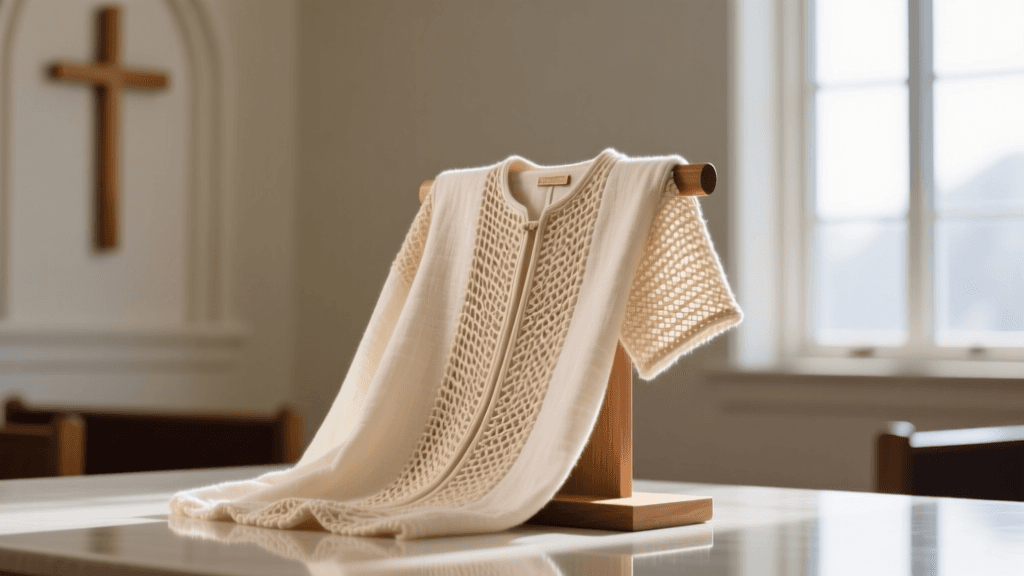
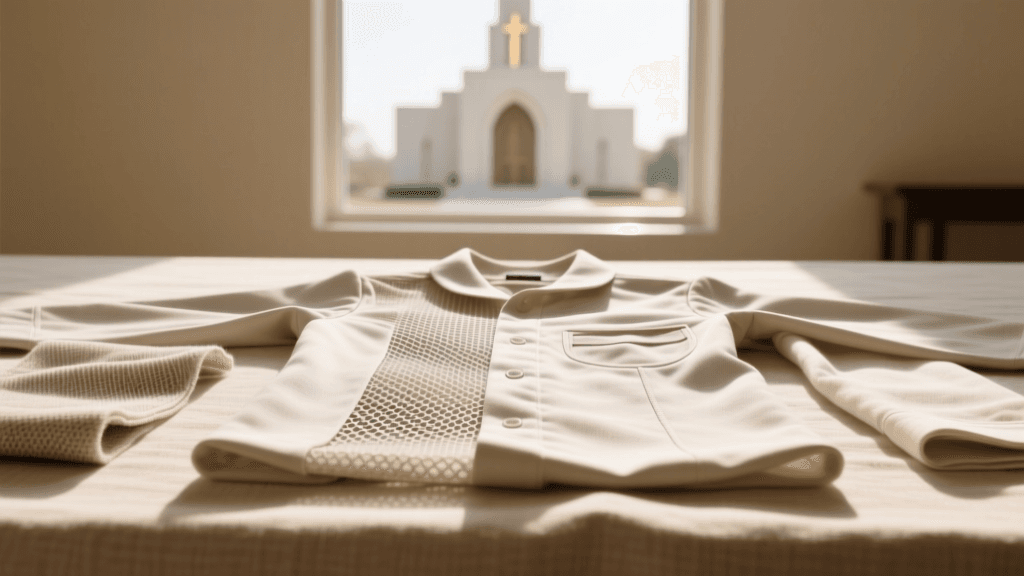
The official LDS Distribution store offers an extensive catalog of garments designed for diverse climates, body types, and lifestyles. The Church operates distribution centers globally, ensuring that members in tropical climates have access to breathable meshes, while those in colder regions can purchase thermal blends.
Below is a comparison of the most popular garment fabrics and styles available in 2026:
| Fabric Type | Best Use Case | Key Features (2026 Specs) | Available Styles |
|---|---|---|---|
| 100% Cotton | Everyday wear, sensitive skin | Hypoallergenic, durable, traditional feel, requires tumble dry low | Crew, V-neck, Scoop, Boxer, Brief |
| Modal Blend | Professional settings, travel | Ultra-soft, resists shrinking, drapes well under tailored clothing | V-neck, Scoop, Cap-sleeve, Stretch |
| Bamboo / Viscose | Hot climates, active lifestyles | Naturally moisture-wicking, cooling properties, eco-friendly sourcing | Crew, Athletic, Boy-shorts |
| Cool-Mesh | Extreme heat, heavy labor, sports | Maximum breathability, lightweight, quick-drying synthetic blend | Crew, V-neck, Athletic Briefs |
| Maternity Stretch | Pregnancy and postpartum | Expandable abdominal panels, ultra-soft waistbands, supportive fit | Scoop, High-waist Briefs |
Traditions: Wearing, Caring, and Disposing
The traditions surrounding how garments are worn, cared for, and eventually disposed of are deeply rooted in respect for their sacred nature. Members are counseled to wear the garment day and night, removing it only for activities where it would be damaged or where wearing it is impractical, such as swimming or showering. The tradition dictates that the garment should be worn underneath outer clothing, serving as a private, personal shield against the immodesty of the world.
Care and Maintenance
Caring for garments in 2026 is straightforward, thanks to advanced textile blends, but specific traditions remain. Members are taught to treat the garment with respect. This means washing them separately or with regular laundry using standard detergents, but avoiding harsh bleaches that might degrade the sacred marks. High heat in dryers is discouraged, particularly for Modal and Bamboo blends, to preserve the elasticity and the integrity of the symbolic embroidery.
Proper Disposal of Worn Garments
When a garment becomes too worn, torn, or stretched to be worn respectfully, it cannot simply be thrown into the trash or donated to a thrift store. The established tradition requires members to carefully cut the garment into pieces, specifically destroying the sacred marks and the general shape of the clothing so that it is no longer recognizable as a temple garment. Once cut and rendered unrecognizable, the fabric remnants can be disposed of in the regular trash. Some eco-conscious members in 2026 opt to use the cotton remnants for household cleaning rags before disposal, ensuring no waste is made of the textile.
How to Purchase Garments in 2026
Purchasing temple garments is strictly regulated to ensure they remain a sacred item rather than a commercial commodity. You cannot buy them in standard retail stores or on general e-commerce platforms like Amazon. To purchase garments, an individual must be an endowed member of The Church of Jesus Christ of Latter-day Saints and possess a current, valid Temple Recommend.
Ordering via the Distribution App and Web Portal
In 2026, the primary method for acquiring garments is through the Church's official online Distribution portal or the dedicated mobile app. Members log in using their Church account credentials, which automatically verifies their membership and endowment status. The portal offers a highly detailed sizing guide, complete with video tutorials on how to measure the chest, waist, and inseam to ensure a proper, comfortable fit.
For members who prefer to try on different fabrics and styles, physical Distribution centers are located adjacent to many major temples worldwide. These centers stock the full 2026 inventory, allowing members to feel the difference between the Cool-Mesh and Modal blends in person. Prices in 2026 generally range from $8 to $15 per individual piece (top or bottom), depending on the fabric technology, with the Church subsidizing costs to keep them accessible to members globally.
Conclusion
Mormon temple garments represent a unique intersection of American religious history, textile evolution, and deeply held spiritual traditions. Far from being a mere article of clothing, they are a sacred armor and a daily reminder of divine promises. As we navigate 2026, the continued adaptation of garment fabrics and styles demonstrates the Church's commitment to supporting its global membership in every climate and lifestyle, while the strict traditions regarding their meaning, care, and purchase preserve the sanctity of the temple covenants they represent.