Mormon Garments 2026: Meaning, Purpose & Modern Styles
Understanding Mormon Temple Garments: An American Religious Tradition
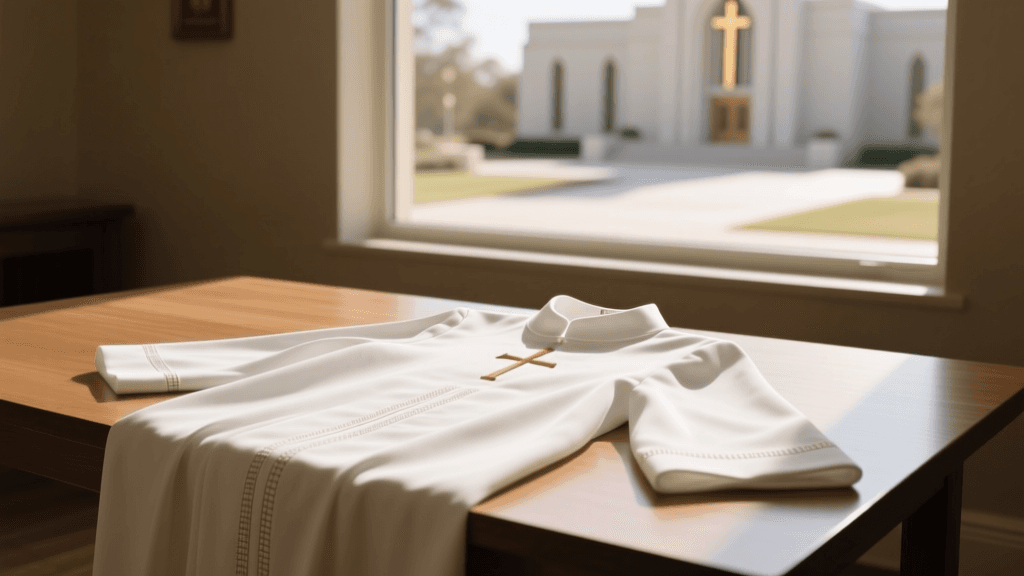
Within the diverse tapestry of religious and traditional clothing in the Americas, few garments carry as much personal significance and misunderstanding as the Mormon temple garment. Officially known as temple garments, these undergarments are worn by endowed members of The Church of Jesus Christ of Latter-day Saints (LDS Church). Originating in the 19th century in the United States, this clothing tradition is deeply rooted in American religious history, yet it serves a global membership today. As of 2026, the design, manufacturing, and distribution of these garments have evolved to meet the needs of a modern, globalized church while strictly maintaining their sacred purpose and symbolic meaning.
For members of the LDS faith, temple garments are not merely functional clothing or cultural artifacts; they are deeply sacred items that represent personal covenants made with God. This comprehensive guide explores the spiritual meaning, historical evolution, modern 2026 styles, and daily traditions surrounding Mormon garments, offering a respectful and detailed look at this unique American-born religious practice.
The Spiritual Meaning and Purpose of Temple Garments
To understand the purpose of Mormon garments, one must look past the physical fabric and focus on the spiritual covenants they represent. According to the Gospel Topics: Temple Garments essay published by the Church, garments serve as a constant, tangible reminder of the sacred promises (covenants) members make during the temple endowment ordinance.
These covenants include commitments to live righteously, follow the teachings of Jesus Christ, and dedicate one's life to God's service. The garment itself is woven with specific symbolic marks—such as the square, the compass, the navel, and the knee—which represent spiritual concepts like honor, truth, and the need for continual prayer and devotion.
It is a common misconception outside the faith that these garments possess magical or protective physical properties. The Church explicitly clarifies that the garment offers spiritual protection, not physical invulnerability. By wearing the garment day and night, members create a personal boundary against the influences of the modern world, fostering a mindset of modesty, purity, and continuous spiritual mindfulness. The Church Newsroom FAQ on Temple Garments emphasizes that treating the garment with respect is synonymous with respecting the covenants it symbolizes.
Historical Evolution: From 19th-Century Origins to 2026
The tradition of wearing sacred undergarments was introduced by Joseph Smith, the founder of the Latter-day Saint movement, in the early 1840s in Nauvoo, Illinois. The earliest iterations were one-piece "union suits" that extended to the wrists and ankles, reflecting the modesty standards and practical needs of the 19th-century American frontier.
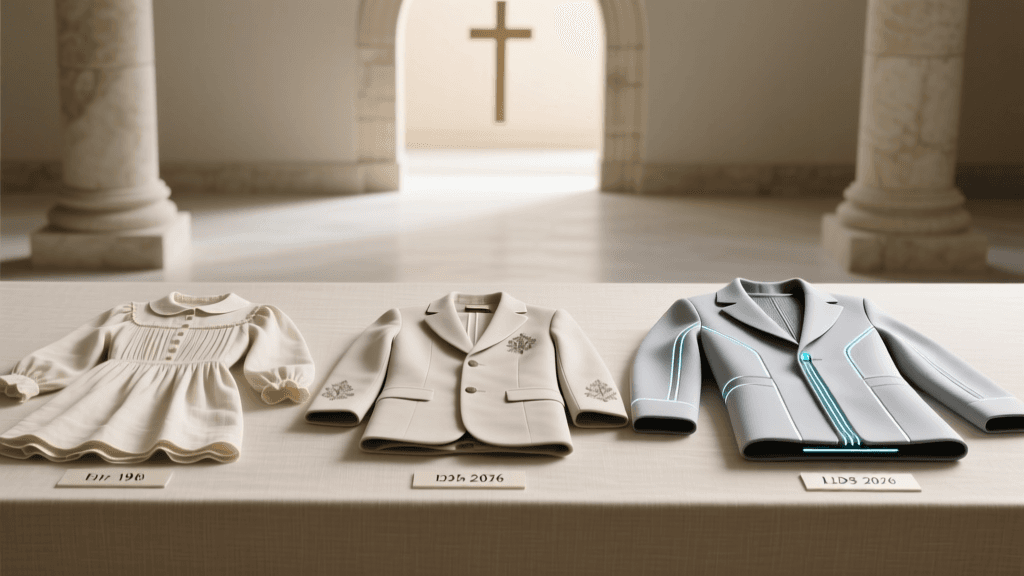
Over the decades, as American clothing styles shifted and the Church expanded globally, the garment adapted. In the 1930s, the Church authorized the transition from one-piece suits to the two-piece tops and bottoms worn today. Throughout the late 20th and early 21st centuries, the Church introduced varied sleeve lengths, neckline options, and specialized fabrics to accommodate different climates, military service, and athletic activities.
By 2026, the evolution of the garment reflects a sophisticated balance between maintaining sacred symbolic integrity and utilizing modern textile technology. Recent years have seen a significant expansion in women's garment styles, acknowledging the diverse wardrobe needs of modern women while ensuring the sacred marks and coverage requirements remain intact.
2026 Garment Styles, Fabrics, and Fit Guide
The Church's Distribution Services continuously updates its catalog to ensure garments are comfortable, durable, and appropriate for various global climates. As of 2026, endowed members have access to a wide array of styles and fabrics. The pricing structure remains strictly at-cost, with standard garments typically ranging from $8.50 to $11.50 USD per piece, reflecting the Church's non-profit approach to clothing its members.
Below is a breakdown of the primary garment options available in the 2026 catalog:
| Category | 2026 Style Options | Primary Fabric Choices | Best Use Case |
|---|---|---|---|
| Men's Tops | Crew, V-Neck, Low V-Neck | Cotton, Modacrylic, Stretch, Mesh | Daily wear, athletics, hot climates |
| Men's Bottoms | Standard, Boxer, Extended Length | Cotton, Modacrylic, Stretch, Mesh | Standard daily, active movement |
| Women's Tops | Round, V-Neck, Scoop, Cap Sleeve | Cotton, Modal, Stretch, Mesh | Varied necklines, maternity, heat |
| Women's Bottoms | Standard, Boy Short, Extended | Cotton, Modal, Stretch, Mesh | Active wear, skirts, daily comfort |
Fabric Technologies in 2026
- 100% Cotton: The traditional choice, favored for its breathability and softness. Ideal for everyday wear in temperate climates.
- Stretch Blend (Cotton/Spandex): Designed for active lifestyles, athletes, and those who prefer a contoured, modern fit that moves with the body.
- Modal: A semi-synthetic fabric made from beech tree pulp, highly popular in the 2026 women's lineup for its silk-like softness, moisture-wicking properties, and resistance to shrinking.
- Mesh: A lightweight, highly breathable open-weave fabric essential for members living in tropical, humid, or extremely hot regions, such as Central America, Southeast Asia, or the American Southwest.
- Modacrylic: A specialized, flame-resistant fabric primarily purchased by military personnel, firefighters, and industrial workers who require FR-compliant underlayers for safety.
Guidelines for Wearing and Daily Traditions
The tradition of wearing the garment is governed by personal faith and specific guidelines outlined in the Church's General Handbook. Endowed members are instructed to wear the garment day and night throughout their lives. It is considered a private, sacred aspect of their faith, and members are generally discouraged from discussing the specific details or markings of the garment with those who have not participated in the temple endowment.
However, practical exceptions exist. Members are permitted to remove the garment for activities where it would be impractical or inappropriate to wear it, such as swimming, showering, participating in contact sports, or engaging in marital intimacy. Additionally, medical procedures, military deployments where uniform regulations conflict, and specific occupational hazards allow for temporary removal. The guiding principle is one of reverence: the garment should be worn whenever reasonably possible, and when removed, it should be treated with respect rather than carelessly discarded on the floor or mixed with soiled laundry.
Purchasing and Distribution in 2026
Unlike secular clothing, temple garments cannot be purchased in standard retail stores or secular e-commerce platforms. They are exclusively distributed through the Church's official distribution network. In 2026, members can purchase garments via the official online Church Distribution portal, at regional Deseret Book stores equipped with distribution centers, or at local distribution hubs located near major temples worldwide.
To purchase garments, an individual must have an active temple recommend and a Church Account linked to their membership record, which verifies their endowed status. This strict purchasing protocol ensures that the sacred nature of the garment is maintained and that it is only acquired by those who understand and have committed to its associated covenants. The Church also offers specialized sizing options, including petite, tall, and maternity cuts, ensuring that the garment is accessible and comfortable for all body types.
Care, Maintenance, and Respectful Disposal
Caring for temple garments is an extension of the respect members hold for their covenants. Garments should be washed regularly and kept in good repair. If a garment becomes torn or worn, members are encouraged to mend it if possible. However, when a garment becomes too worn, stretched, or damaged to be worn respectfully, it must be disposed of properly.
The disposal process is highly specific and rooted in tradition. Members are instructed to carefully cut out the sacred marks (the embroidered or woven symbols) from the fabric. These marks must be completely destroyed—typically by cutting them into unrecognizable pieces or burning them—so they are not discarded intact. Once the marks are removed and destroyed, the remaining fabric can be disposed of in the regular trash or repurposed as cleaning rags. Under no circumstances should a worn temple garment be donated to a thrift store, charity, or clothing drive, as this would expose the sacred symbols to those who do not understand their meaning and could lead to disrespect or misuse.
Conclusion
Mormon temple garments represent a profound intersection of faith, history, and daily life. From their origins in the American frontier to the technologically advanced, diverse fabric options available in 2026, these garments remain a cornerstone of Latter-day Saint spiritual practice. Far from being a mere cultural quirk, they are a deeply personal, sacred reminder of a lifelong commitment to Jesus Christ. Understanding the meaning, purpose, and traditions behind these garments offers valuable insight into the lived religious experiences of millions of individuals across the Americas and around the globe.