Mormon Temple Garments 2026: Meaning, Styles & Traditions
Understanding the Sacred Purpose of LDS Temple Garments
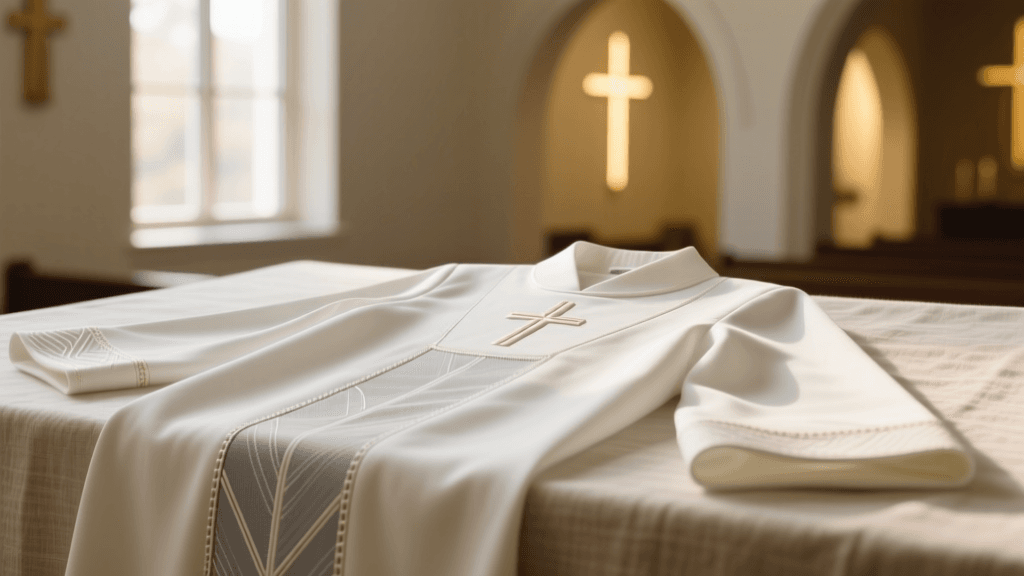
For millions of members of The Church of Jesus Christ of Latter-day Saints (often referred to as Mormons), the temple garment is a profoundly sacred article of clothing. From the perspective of textile history and cultural anthropology, the garment represents a unique intersection of faith, modesty, and daily ritual. Unlike secular clothing trends that shift with the seasons, the fundamental purpose of the LDS garment has remained steadfast since its introduction in the mid-19th century. According to the Church's official Gospel Topics Essay on Temple Garments, these garments are worn by adult members who have participated in the temple endowment ceremony. They serve as a constant, physical reminder of the covenants made with God and are viewed as a source of spiritual protection and armor against the temptations of the modern world.
At The Garment Atlas, we approach the study of religious and indigenous clothing with deep respect for its cultural significance. In 2026, the temple garment continues to evolve in its textile composition and tailoring to meet the practical needs of a global, diverse membership, while strictly maintaining its sacred symbols and modesty standards. This comprehensive guide explores the meaning, historical evolution, modern 2026 styles, and the traditions surrounding the care and respectful retirement of these sacred garments.
Historical Evolution: From 19th-Century Union Suits to 2026 Innovations
To understand the modern temple garment, one must look at its origins. In the 1840s, when Joseph Smith and later Brigham Young introduced the endowment ceremony, the undergarments of the era were typically one-piece 'union suits' made of heavy flannel or wool, featuring long sleeves and long legs. These early garments were practical for the harsh winters of the American Midwest and the Utah territory, but they were also imbued with sacred markings that served as visual reminders of spiritual promises.
As the 20th century progressed, the Church adapted the garment to accommodate changing societal norms and the practicalities of modern life, including military service during the World Wars. In the 1920s and 1930s, the Church authorized the transition from a one-piece suit to a two-piece design (a separate top and bottom), and the sleeves and legs were shortened. Today, in 2026, the Church Distribution Store offers a highly sophisticated range of garments that utilize advanced textile engineering. Modern garments feature moisture-wicking technology, four-way stretch fabrics, and inclusive sizing that caters to a global membership spanning diverse climates and body types.
2026 Fabric and Style Comparison Chart
Choosing the right garment in 2026 depends heavily on climate, lifestyle, and personal comfort. The Church Distribution catalog has expanded its textile offerings significantly over the last decade. Below is a comparison of the primary fabrics available to endowed members today.
| Fabric Type | Best For | Climate Suitability | 2026 Price Range (Per Piece) |
|---|---|---|---|
| 100% Cotton | Everyday wear, sensitive skin | Temperate, Indoor | $12.00 - $14.00 |
| Cotton/Modal Blend | Softness, drape, women's camisoles | Temperate, Mild | $14.00 - $16.00 |
| Nylon/Spandex Stretch | Athletics, active lifestyles, travel | All Climates (Moisture-wicking) | $15.00 - $18.00 |
| Polyester Mesh | Extreme heat, high humidity, tropical | Hot, Humid, Tropical | $13.00 - $15.00 |
In 2026, the Church also offers an expanded palette of nude and inclusive skin tones, ensuring that garments remain discreet under lightweight or sheer summer clothing. This was a highly requested update from the global membership and represents a significant step forward in textile inclusivity.
Modern Styles: Men's and Women's Options
The 2026 catalog provides distinct options tailored to different anatomical needs and wardrobe requirements.
Women's Garment Styles
- Classic Crew and V-Neck: Standard t-shirt styles available in cotton and stretch blends.
- Camisoles: Designed with wider straps and lace or scalloped edges for modesty under sleeveless tops.
- Maternity and Nursing: Specialized stretch panels and discreet nursing access, ensuring mothers can maintain their covenants comfortably during pregnancy and postpartum.
- Capri and Knee-Length Bottoms: Ideal for wearing under skirts and dresses in warmer weather.
Men's Garment Styles
- Crew, V-Neck, and Low-Crew: Designed to remain hidden under unbuttoned collared shirts or casual tees.
- Boxer Briefs and Trunks: Replacing the older, looser boxer styles, these provide support and prevent riding up during physical activity.
- Long Johns: Thermal options for members living in colder northern climates.
Traditions of Care and Respectful Disposal
Because the garment is considered sacred, the traditions surrounding its care and eventual retirement are treated with great reverence. The Church provides specific guidelines in the official Newsroom resources and the General Handbook regarding how members should treat these items.
Washing and Maintenance
Garments should be washed regularly to maintain hygiene and fabric integrity. In 2026, with the prevalence of modal and spandex blends, it is highly recommended to wash garments in cold water using a mild, bleach-free detergent. Bleach degrades the elastane fibers and can damage the sacred markings. Members are encouraged to wash garments with their regular laundry, though many choose to wash them separately or in mesh delicates bags to preserve the elasticity of the stretch fabrics. Tumble drying on low heat or air drying is preferred to prevent shrinkage and fabric breakdown.
Respectful Retirement and Disposal
When a garment becomes worn, torn, or loses its elasticity, it must be retired. The tradition of disposal is highly specific to ensure the sacred symbols are never treated as common trash or subjected to public disrespect. Members are instructed to carefully cut out the sacred markings from the fabric. Once the markings are removed and destroyed, the remaining fabric can be discarded in the regular trash, as it is no longer considered a sacred item. Alternatively, if the garment is still in good condition but no longer fits, it may be given to another endowed member or donated through specific, discreet Church channels.
How to Measure and Order in 2026
Ordering garments requires an active temple recommend, which is verified digitally through the Church's online distribution portal. To ensure a proper fit, members should follow these actionable measuring steps:
- Chest/Bust: Measure around the fullest part of the chest/bust, keeping the tape measure level.
- Waist: Measure around the natural waistline (for bottoms) or where the garment top will rest.
- Hips: Measure around the fullest part of the hips for women's bottoms and boxer briefs.
- Inseam: Measure from the crotch to the desired leg length (standard, capri, or knee).
The 2026 online store features an AI-assisted sizing tool that recommends the best fit based on height, weight, and preferred tightness (e.g., 'snug' for athletics vs. 'relaxed' for lounging). Members can order individual tops and bottoms in different sizes, accommodating diverse body shapes that standard S/M/L sizing often fails to address.
Cultural Misconceptions vs. Textile Reality
From an outsider's perspective, temple garments are frequently misunderstood, sometimes derisively referred to in popular culture as 'magic underwear.' As textile historians and cultural observers, it is vital to correct this misconception. The garment holds no inherent magical properties; rather, its power is entirely symbolic and spiritual. Much like a wedding ring serves as a physical reminder of a marriage covenant, the garment serves as a physical reminder of a spiritual covenant. The modesty it enforces also influences the outer clothing choices of Latter-day Saints, generally encouraging styles that cover the shoulders, midriff, and upper thighs, aligning with the Church's standards of modesty.
Conclusion
The Mormon temple garment is a fascinating study in the intersection of faith, tradition, and textile innovation. As of 2026, the Church's commitment to providing high-quality, comfortable, and inclusive garment options demonstrates an understanding that sacred clothing must also be practical for the daily lives of its global membership. Whether crafted from breathable mesh for a missionary in the humid tropics or thermal cotton for a member in the snowy mountains, the garment remains a deeply personal and sacred anchor for millions of Latter-day Saints worldwide.