LDS Temple Garments 2026: Complete History & Style Guide

Introduction to LDS Temple Garments
For endowed members of The Church of Jesus Christ of Latter-day Saints, temple garments represent a deeply sacred and personal aspect of their faith. Often referred to simply as 'garments,' these undergarments are worn day and night as a physical reminder of the covenants made with God inside Latter-day Saint temples. As of 2026, the intersection of traditional theology, modern textile technology, and diverse cultural expressions across the Americas has made the topic of temple garments more relevant and accessible than ever before.
This comprehensive guide explores the historical evolution of LDS temple garments, their theological significance, the 2026 lineup of fabrics and styles, and how Indigenous and diverse populations across the Americas integrate these sacred items with their cultural dress.
The Historical Evolution of Sacred Clothing
The origins of the temple garment trace back to 1842 in Nauvoo, Illinois, when the Prophet Joseph Smith introduced the temple endowment. Early garments were essentially modified union suits—one-piece undergarments that extended to the wrists and ankles, featuring specific woven marks (the compass, square, navel, and knee) that hold deep symbolic meaning related to spiritual navigation, morality, and divine connection.
Over the decades, the physical design of the garment has adapted to the changing practical needs of the global membership while strictly preserving the sacred marks and their modesty standards. In 1923, the Church approved shorter sleeves and legs to accommodate the shifting fashion norms and physical labor requirements of the 20th century. A monumental shift occurred in 1979 when the Church introduced the two-piece garment (a separate top and bottom), which remains the standard today.
By 2026, the historical trajectory of the garment reflects a balance between unwavering theological constants and necessary adaptations for a global, active membership. The focus in recent years has been on inclusive sizing, sustainable textile sourcing, and advanced moisture-wicking technologies to support members in extreme climates.
Indigenous and Cultural Intersections in the Americas
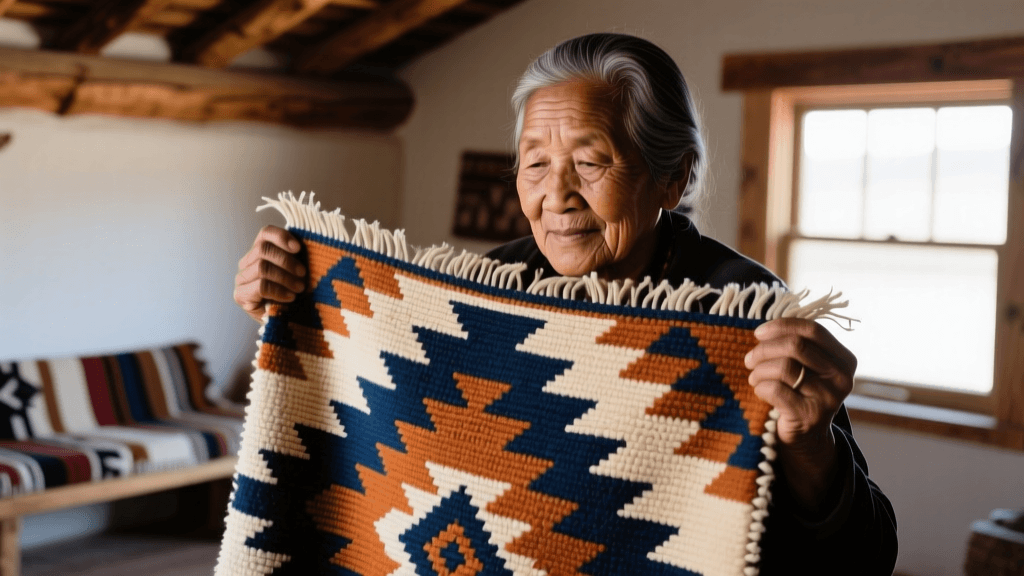
Within the 'Americas & Indigenous' context, the wearing of temple garments presents unique cultural intersections. For Indigenous Latter-day Saints across North, Central, and South America, integrating sacred undergarments with traditional cultural regalia and daily dress requires thoughtful adaptation.
For example, among Navajo (Diné) Latter-day Saints in the American Southwest, traditional velvet shirts and modest skirts naturally align with the coverage requirements of the garment. However, in the humid, tropical climates of Mesoamerica, or the high-altitude, freezing regions of the Andean Quechua communities, climate-appropriate garment fabrics are essential. The 2026 fabric lineup, which includes ultra-lightweight mesh for tropical heat and thermal-retaining modacrylic blends for cold environments, has been a vital resource for Indigenous members participating in both cultural ceremonies and daily life without compromising their sacred covenants.
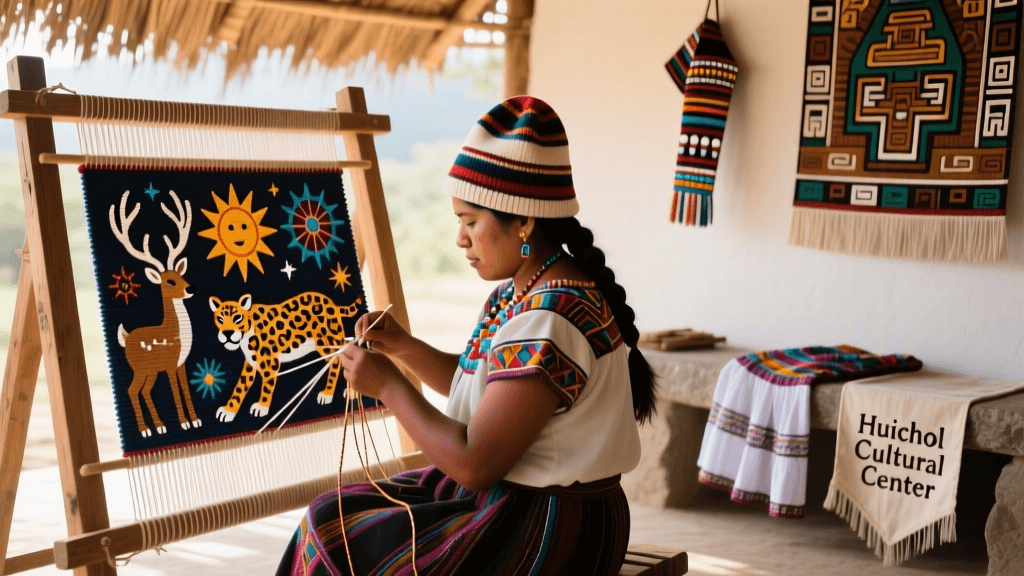
Furthermore, many Indigenous artisans and seamstresses across the Americas have developed specialized techniques for creating outer clothing—such as traditional huipiles or woven mantles—that seamlessly accommodate the modesty lines of the modern cap-sleeve and knee-length garment, ensuring that cultural heritage and religious devotion coexist harmoniously.
Theological Meaning and Covenants
To understand the garment, one must understand its purpose. According to the Church's official teachings, temple garments are not magical or superstitious items; rather, they serve as a tangible, tactile reminder of spiritual promises. As outlined in the Gospel Topics Essay on Temple Garments, they provide a 'shield and protection' against the temptations of the modern world by keeping the wearer mindful of their commitments to live a moral, honest, and devoted life.
The marks woven or embroidered into the fabric correspond to teachings received during the temple endowment, representing concepts like the eternal nature of the soul, the importance of honoring one's word, and the guidance of the Holy Spirit. Because of this sacred nature, endowed members are instructed to treat the garments with the utmost respect, never displaying them casually or discussing their specific marks in a flippant manner.
2026 Fabric Technologies and Style Options
The Church's Distribution Services has continually refined the garment lineup to meet the diverse needs of its membership. As of 2026, members can choose from a highly specialized array of fabrics and necklines designed for different climates, body types, and activities.
Current Fabric Lineup
| Fabric Type | Material Composition | Best Use Case | 2026 Key Features |
|---|---|---|---|
| Cotton Blend | 95% Cotton, 5% Spandex | Everyday wear, temperate climates | Classic feel, improved durability, breathable |
| Coolmax® Performance | Polyester moisture-wicking blend | Hot climates, athletics, manual labor | Rapid sweat evaporation, odor resistance |
| Modal Stretch | MicroModal® elastane blend | Professional settings, sensitive skin | Silk-like softness, anti-pilling, high stretch |
| Modacrylic (FR) | Flame-resistant synthetic | Military, firefighters, industrial work | Meets 2026 safety standards for FR clothing |
| Nylon Mesh | Lightweight nylon/spandex | Extreme humidity, tropical regions | Ultra-thin, quick-drying, invisible under silk |
Style and Neckline Options
Modesty requirements dictate that the garment top must cover the shoulders and chest, while the bottom must reach the knee. Within these parameters, the 2026 catalog offers several variations:
- Women's Tops: Cap sleeve, V-neck, Scoop neck, Round neck, and a specialized maternity panel option.
- Men's Tops: Crew neck and V-neck, available in short-sleeve and cap-sleeve lengths.
- Bottoms: Standard knee-length, with options for higher or lower rise to accommodate different outerwear silhouettes.
How to Purchase Garments in 2026
Purchasing temple garments is restricted to endowed members of The Church of Jesus Christ of Latter-day Saints who hold a current, valid temple recommend. This policy ensures that the sacred nature of the clothing is respected and that it is only distributed to those who understand and have committed to the associated covenants.
According to the General Handbook of the Church, garments should be worn throughout the life of the endowed member. In 2026, the purchasing process is more streamlined than ever:
- Online Portal: Members can log into their secure Church account on the official distribution website to order garments directly to their homes. The 2026 interface includes an AI-assisted sizing tool that recommends fits based on previous purchases and user-inputted measurements.
- Distribution Centers: Physical Church Distribution Centers and select Deseret Book locations across the Americas maintain stock of the most common cotton and modal styles for immediate purchase.
- Temple Clothing Rental/Purchase: While garments are purchased for daily personal use, temples still provide outer temple clothing (whites) for rent or purchase during endowment sessions.
Sizing, Fit, and Modesty Guidelines
Proper fit is essential for both comfort and the fulfillment of modesty requirements. A garment that is too tight may cause the sacred marks to distort or the fabric to wear out prematurely, while a garment that is too loose may bunch uncomfortably under modern clothing.
In 2026, the Church offers an expansive size range, including petite, tall, and extended plus sizes, ensuring that Indigenous members and diverse body types across the Americas can find a respectful, comfortable fit. When measuring, members are advised to use a soft tailor's tape to measure the chest, waist, and inseam, comparing these metrics against the digital size chart provided at the point of sale.
Care Instructions and Respectful Disposal
Because of their sacred nature, garments must be cared for respectfully. They should never be left on the floor or washed with heavily soiled outer garments. Modern 2026 fabric blends are designed for easy care, but members are advised to follow these general guidelines:
- Washing: Machine wash in cold or warm water with like colors. Avoid using chlorine bleach, especially on modal and synthetic blends, as it degrades the elastane and weakens the fabric.
- Drying: Tumble dry on low heat or hang dry. High heat can shrink cotton blends and damage moisture-wicking treatments.
- Disposal: When a garment becomes too worn, stretched, or damaged to wear, it must be disposed of respectfully. Members are instructed to carefully cut out the sacred marks (the compass, square, navel, and knee) and destroy them (usually by burning or cutting them into unrecognizable pieces). The remaining fabric can then be discarded in the regular trash, as it is no longer considered sacred once the marks are removed.
Conclusion
The LDS temple garment is far more than a piece of clothing; it is a profound symbol of faith, covenant, and spiritual armor. As of 2026, the continued evolution of garment textiles and distribution methods ensures that members from all walks of life—from the bustling streets of New York City to the remote Indigenous communities of the Andes—can faithfully and comfortably honor their sacred commitments. By understanding the rich history, theological depth, and modern practicalities of temple garments, members and respectful observers alike can appreciate the deep reverence this tradition holds within the Americas and beyond.