LDS Temple Garments 2026: Symbolism, Styles & Cultural Significance
Introduction to Sacred Vestments in Modern Context
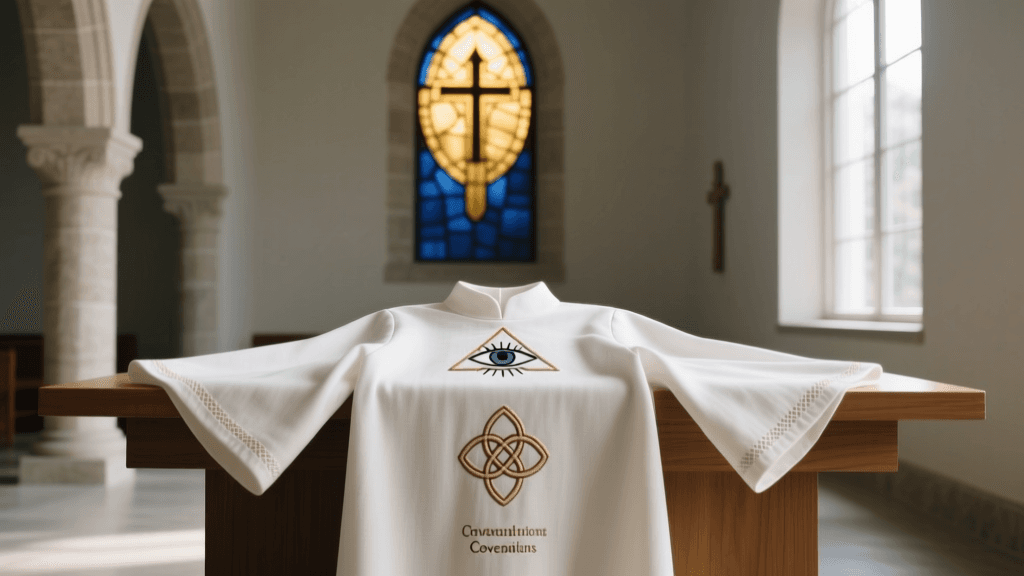
For members of The Church of Jesus Christ of Latter-day Saints, the temple garment is far more than a simple undergarment or a cultural quirk. It is a profound, sacred vestment that serves as a constant, tactile reminder of the covenants made with God. Often misunderstood by those outside the faith, the garment holds deep theological significance, rooting modern Latter-day Saints in ancient traditions of sacred clothing. As we navigate 2026, the cultural discourse surrounding temple garments has matured significantly. Members and scholars alike are engaging in more open, respectful conversations about how these garments bridge ancient Abrahamic traditions with the practical realities of modern, global living.
From recent design innovations aimed at global accessibility to a renewed emphasis on the spiritual rather than merely the modest aspects of the garment, 2026 represents a pivotal year in understanding how religious dress functions in contemporary society. This article explores the rich symbolism, cultural impact, and the latest 2026 style updates of LDS temple garments.
Theological Roots and Covenant Symbolism
To understand the garment, one must look beyond modern apparel and into ancient scripture. The concept of sacred clothing is deeply woven into the fabric of Judeo-Christian history. In the Book of Exodus, priestly vestments were mandated for those serving in the ancient temple, symbolizing purity, consecration, and divine authority. Similarly, the Encyclopedia of Mormonism notes that Latter-day Saint temple garments echo these ancient traditions, serving as a personal, everyday vestment for a lay ministry where every member is considered a potential participant in sacred ordinances.
The garment is introduced to members during the temple endowment, a sacred ordinance that outlines the plan of salvation and invites participants to make covenants (promises) with God. The garment features specific marks or symbols that are rich in allegorical meaning. Without revealing the sacred and private nature of the temple ceremonies, it is widely understood among members that these symbols point to the Atonement of Jesus Christ, the importance of staying on the strait and narrow path, and the necessity of keeping one's covenants. Wearing the garment is often compared to the Apostle Paul's metaphor of putting on the 'whole armor of God' in Ephesians 6, providing spiritual protection and mindfulness in a complex world.
Cultural Identity and Mindfulness in 2026
In 2026, the cultural identity of Latter-day Saints is increasingly global, with significant population growth in Latin America, Africa, and Asia. The garment serves as a unifying cultural and spiritual thread across these diverse demographics. For many members, the physical presence of the garment acts as a psychological and spiritual anchor. It influences daily choices, from media consumption and interpersonal interactions to ethical business practices, serving as a continuous prompt for mindfulness and integrity.
Historically, popular culture and media often sensationalized the garment, using reductive and disrespectful tropes. However, the cultural landscape of 2026 reflects a shift toward interfaith respect and academic curiosity. Sociologists and religious scholars now frequently contextualize the LDS garment alongside other sacred garments, such as the Jewish tallit katan (with its tzitzit fringes), the Sikh kachera, and the Christian monastic scapular. This comparative approach has fostered a more respectful public dialogue, allowing members to share their experiences without the burden of historical stigmas.
2026 Design Innovations and Global Accessibility
One of the most significant developments in recent years, which has fully matured in the 2026 distribution catalog, is the Church's commitment to making the garment accessible, comfortable, and practical for a diverse, global membership. The official Church distribution store now offers a highly specialized array of fabrics and cuts designed to accommodate different climates, body types, and lifestyles.
The highly anticipated women's one-piece garment, which began its phased rollout in previous years, has seen widespread adoption and design refinements by 2026. This design addresses long-standing practical concerns regarding fit, tucking, and mobility, allowing women to participate in athletics, professional environments, and active lifestyles with greater comfort. Additionally, the 2026 catalog features expanded maternity options, youth-specific sizing for young adults, and specialized athletic cuts that wick moisture during high-intensity activities.
Furthermore, recognizing the rapid growth of the Church in tropical and equatorial regions, the 2026 lineup heavily features advanced performance mesh and ultra-lightweight modal blends. These climate-adaptive fabrics ensure that members in humid environments can wear their covenants comfortably year-round, reducing heat-related fatigue while maintaining the sacred integrity of the vestment.
2026 Garment Fabric and Style Guide
| Fabric / Style | Best Suited For | Key 2026 Features |
|---|---|---|
| Cotton Classic | Everyday Wear / Sensitive Skin | Breathable, traditional fit, highly durable, hypoallergenic. |
| Modal Blend | Office / Formal Wear / Travel | Silky feel, moisture-wicking, low-profile under tailored clothing. |
| Performance Mesh | Tropical Climates / Athletics | Ultra-lightweight, rapid-dry, anti-microbial treatment, maximum airflow. |
| Women's One-Piece | Active Lifestyles / Modesty | Integrated top and bottom, updated 2026 flat-lock seams, no tucking required. |
| Maternity Cut | Pregnancy / Postpartum | Expandable abdominal panels, soft-stretch waistbands, nursing-friendly access. |
Caring for Sacred Garments: Respectful Practices
Because the garment is considered sacred, the manner in which it is cared for, repaired, and eventually disposed of is governed by principles of reverence. In 2026, the Church continues to provide clear guidelines on these practices. Members are instructed to wash and care for their garments with the same respect they would afford any sacred item. While there are no mystical restrictions on laundry detergents or washing machines, the mindset of the member is one of respect.
When a garment becomes worn, torn, or no longer usable, members are counseled to dispose of it in a manner that prevents it from being treated as common refuse or falling into the hands of those who might mock it. The standard practice remains cutting out the sacred marks and destroying them, followed by cutting the remaining fabric into unrecognizable pieces before discarding, or respectfully burning the garment if local laws and safety permits allow. This careful disposal underscores the belief that the garment is not merely clothing, but a holy object tied to eternal promises.
Interfaith Parallels and Respectful Discourse
For those outside the Latter-day Saint faith, understanding the temple garment requires a paradigm shift from viewing it through a lens of modesty or uniformity to viewing it through a lens of covenant and consecration. The official Church Newsroom explicitly states that the garment represents a commitment to live a moral, ethical life, and to follow the teachings of Jesus Christ. It is an internal compass made external.
In interfaith settings, comparing the garment to the Jewish practice of wearing tzitzit is often the most effective way to build understanding. Just as the fringes of the tallit katan serve as a physical reminder of the Torah's commandments, the LDS garment serves as a tactile reminder of temple covenants. Both are worn beneath everyday clothing, both are deeply personal, and both connect the wearer to a broader community of faith and an ancient lineage of believers.
Conclusion
As of 2026, the LDS temple garment remains a cornerstone of Latter-day Saint spiritual life. It is a garment of memory, a shield of mindfulness, and a symbol of a lifelong commitment to divine covenants. With the latest advancements in textile technology and global distribution, the Church has ensured that this ancient practice remains viable, comfortable, and deeply meaningful for a modern, globalized membership. By approaching the topic with academic curiosity and interfaith respect, we can better appreciate the profound ways in which religious dress continues to shape identity, morality, and community in the modern world.