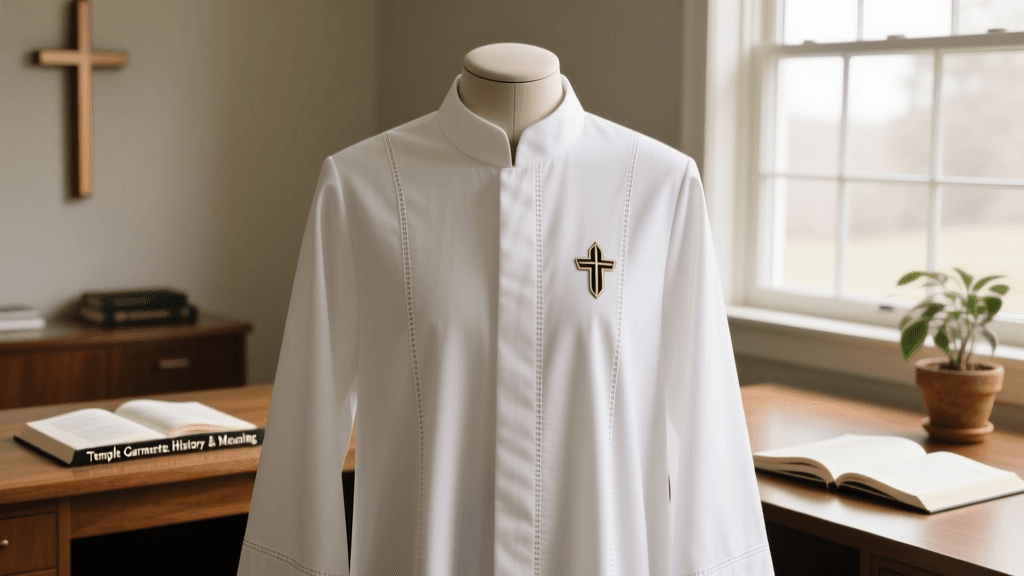
LDS Temple Garments 2026: History, Styles & Fit Guide

Understanding LDS Temple Garments in 2026
For members of The Church of Jesus Christ of Latter-day Saints who have received their endowment, temple garments represent a deeply sacred and personal article of clothing. Often referred to simply as "garments" or "sacred clothing," they are worn beneath everyday attire as a constant, physical reminder of the covenants made with God inside Latter-day Saint temples. As of 2026, the design, fabric technology, and purchasing options for these garments have evolved significantly to meet the needs of a global church, while strictly maintaining the sacred symbols and modesty standards required by church leadership.
This comprehensive guide explores the rich history, spiritual significance, modern 2026 styles, and practical purchasing information for LDS temple garments, providing an essential resource for endowed members and those researching American religious textile traditions.
Historical Origins and Evolution
The origins of the LDS temple garment trace back to the early 1840s in Nauvoo, Illinois. According to church history, the Prophet Joseph Smith introduced the endowment ordinance and the associated sacred clothing to a small group of close associates. Early garments were one-piece undergarments, similar to the union suits common in the 19th century, featuring long sleeves and long legs. They were marked with specific symbolic figures that served as mnemonic devices for spiritual covenants.
According to the Encyclopedia of Mormonism, the design of the garment has undergone several practical modifications over the decades to accommodate changing cultural norms, climates, and manufacturing capabilities. In the early 20th century, the church transitioned from the one-piece union suit to the modern two-piece design (a separate top and bottom), which drastically improved comfort and practicality for daily wear. Throughout the mid-to-late 1900s, sleeve and leg lengths were adjusted to allow members to wear modest outer clothing suitable for the era, such as short-sleeved shirts and below-the-knee skirts.
Today, the core symbolic marks remain entirely unchanged, but the textile construction reflects 21st-century apparel engineering. The Church's distribution network now leverages global supply chains to provide high-quality, durable, and climate-appropriate options for millions of members worldwide.
Spiritual Significance and Church Policy
It is a common misconception among non-members that temple garments possess magical or protective physical properties. The Church explicitly clarifies that the garment's power is purely spiritual. It serves as a shield against temptation and a private reminder of the wearer's promises to live a righteous life. The General Handbook of The Church of Jesus Christ of Latter-day Saints outlines the policies regarding sacred clothing, emphasizing that garments should be treated with the utmost respect and reverence.
Members are instructed to wear the garment day and night, removing it only for activities where it would be impractical or disrespectful to do so, such as swimming, bathing, or strenuous athletic activities. The handbook also stresses that the garment should not be altered in a way that removes the sacred marks or compromises the modesty it is designed to provide.
2026 Garment Styles: Tops and Bottoms
In 2026, the Church offers a wide variety of styles to accommodate different body types, climates, and outerwear fashions, ensuring members can maintain their covenants without drawing unwanted attention to their undergarments.
Women's Styles
- Cap Sleeve: The most popular style for women, offering shoulder coverage while remaining invisible under most short-sleeved blouses.
- V-Neck and Scoop Neck: Designed specifically to remain hidden beneath lower-cut outerwear, providing flexibility for modern modest fashion.
- Crew Neck: A traditional, higher neckline preferred for winter months or higher-collared outerwear.
- Maternity: Specially designed with extra room and stretch in the midsection to accommodate pregnancy comfortably.
- Bottoms: Available in standard brief, boy-short, and knee-length styles to suit various skirt and dress lengths.
Men's Styles
- Crew Neck and V-Neck: Standard t-shirt styles designed to remain hidden beneath unbuttoned dress shirts or casual tees.
- Long Sleeve: Available for colder climates or for members who prefer extra arm coverage.
- Military and Tactical: Specialized moisture-wicking styles designed to meet the rigorous physical demands of active-duty military personnel.
- Bottoms: Available in traditional boxer-brief lengths, ensuring they remain hidden above the knee when wearing shorts.
Fabric Technologies and Comparison Chart
One of the most significant updates in recent years is the expansion of fabric technologies. While traditional cotton remains a staple, the 2026 catalog features advanced blends designed for extreme heat, high humidity, and active lifestyles.
| Fabric Type | Best For | Breathability | Approx. Price (2026) |
|---|---|---|---|
| 100% Cotton | Everyday wear, sensitive skin | Moderate | $9.00 - $11.00 |
| Cotton-Modal Blend | Office wear, softer drape | High | $11.00 - $13.00 |
| Performance Mesh | Humid climates, athletics | Very High | $13.00 - $15.00 |
| Stretch Cotton | Active lifestyles, travel | Moderate-High | $12.00 - $14.00 |
| Thermal Blend | Cold climates, winter sports | Low (Heat Retaining) | $14.00 - $16.00 |
The Performance Mesh line has become exceptionally popular in tropical regions and during summer months, as it wicks sweat away from the body and dries rapidly. Conversely, the Cotton-Modal blend is favored for its silk-like softness and resistance to shrinking, making it a premium choice for daily professional wear.
Sizing and Fit Guide
Proper fit is essential for both comfort and the preservation of the garment's sacred marks. In 2026, the Church's online store features an updated, highly accurate digital sizing tool. When measuring for garments, members should use a soft measuring tape and follow these guidelines:
- Chest/Bust: Measure around the fullest part of the chest/bust, keeping the tape level.
- Waist: Measure around the natural waistline (the narrowest part of the torso).
- Hips: For women's bottoms, measure around the fullest part of the hips.
If a member falls between sizes, it is generally recommended to size up for comfort, particularly with 100% cotton fabrics that may experience slight shrinkage over time. Stretch fabrics and modal blends, however, offer a more forgiving fit and can accommodate a wider range of body measurements.
Purchasing and Distribution in 2026
Purchasing temple garments is restricted to endowed members of the Church. Verification is required when buying in person or online. As of 2026, the Church has streamlined the purchasing process to ensure global accessibility.
Online Purchasing
The official Church store website allows members to log in with their Church Account (which is linked to their membership record and endowment status). The 2026 interface features improved inventory tracking, allowing members to see real-time stock levels at regional distribution centers. Orders are typically shipped in discreet, unmarked packaging to protect the privacy and sacred nature of the contents.
In-Person Distribution Centers
Physical Distribution Centers are located near temples and in major Latter-day Saint population hubs. These centers allow members to feel the fabrics, try on sample sizing garments, and take their purchases home immediately. Staff at these centers are trained to handle the garments with reverence and assist members in finding the perfect fit.
Care, Washing, and Maintenance
To extend the lifespan of temple garments and preserve the integrity of the sacred marks, proper laundering is essential. The Church recommends the following care instructions for all 2026 fabric lines:
- Washing: Machine wash in cold or warm water with like colors. Use a mild detergent.
- Bleach: Never use chlorine bleach, as it will degrade the fabric fibers and fade or destroy the sacred marks.
- Drying: Tumble dry on a low heat setting. High heat can damage elastane and spandex fibers in the stretch and performance lines.
- Ironing: If ironing is necessary, use a low heat setting and avoid ironing directly over the sacred marks.
When a garment becomes worn, stretched out, or damaged beyond repair, members are instructed to dispose of it respectfully. The standard practice is to cut the sacred marks out of the fabric (which can be buried or burned) and then discard the remaining textile in the regular trash or repurpose it as cleaning rags.
Conclusion
The LDS temple garment is a profound intersection of American religious history, personal spirituality, and modern textile manufacturing. As of 2026, the continued evolution of garment styles and fabrics demonstrates the Church's commitment to supporting its global membership in keeping sacred covenants. Whether navigating the historical roots of the Nauvoo era or selecting the ideal moisture-wicking performance mesh for a tropical climate, understanding the depth and practicality of the temple garment enriches the daily experience of endowed Latter-day Saints.
For further reading on temple preparation and the spiritual significance of sacred clothing, members are encouraged to consult their local temple presidency or explore the Gospel Topics Essays on Temples provided by the Church.