Mormon Garments for Women: 2026 Fit Styles & Sizing Guide

The Sacred Purpose and Modern Evolution of Women's Garments
For women of The Church of Jesus Christ of Latter-day Saints, the temple garment is far more than a simple undergarment; it is a sacred, physical reminder of the covenants made with God during the temple endowment. Over the years, the design, fabric, and availability of these garments have evolved to meet the practical needs of modern women while strictly preserving the sacred markings and coverage required by Church doctrine. As we navigate 2026, the options available through Church Distribution offer unprecedented comfort, breathability, and adaptability to contemporary wardrobes, all while maintaining the reverence the garment demands.
Understanding how a garment should fit, the various styles available, and how to properly care for them is essential for every endowed woman. This comprehensive 2026 guide breaks down everything you need to know about Mormon garments for women, from fabric innovations to official sizing guidance.
Official Fit Guidelines: Finding the Right Balance
One of the most common questions new and seasoned temple patrons ask is, 'How tight or loose should my garment be?' The answer lies in finding a balance between comfort, modesty, and the preservation of the fabric. According to the General Handbook of the Church, garments should be worn comfortably and should not be altered in a way that changes the sacred markings or reduces the intended coverage.
A properly fitted garment should not dig into the skin, nor should it be so loose that it bunches up uncomfortably under clothing. If a garment is too tight, it can cause the fabric to stretch out prematurely, leading to thinning material and distorted sacred marks. Conversely, if it is too loose, it may fail to provide the intended modest coverage when reaching or bending. In 2026, the introduction of advanced stretch-lace trims and ergonomic seaming has significantly reduced the 'binding' sensation that women historically experienced around the sleeves and neckline.
2026 Fabric Options and Material Guide
The Church Distribution system has continually refined its textile offerings to accommodate diverse global climates and personal sensory preferences. Today, women can choose from several high-quality fabric blends designed for longevity and comfort. Below is a comparison of the primary fabric options available in 2026:
| Fabric Type | Composition | Best Climate / Use Case | Durability & Feel |
|---|---|---|---|
| Stretch Cotton | 95% Cotton, 5% Spandex | Moderate climates; everyday wear | Highly durable, soft, retains shape well |
| Cotton/Modal Blend | Cotton and Modal fibers | Hot, humid climates; summer months | Lightweight, cooling, moisture-wicking |
| Stretch Lace Trim | Nylon/Spandex lace (edges) | All climates; sensitive skin | Prevents digging, lays flat under thin tops |
The Cotton/Modal blend has become increasingly popular in 2026 for women living in tropical or highly humid regions, as modal fibers resist shrinking and feel exceptionally cool against the skin. The addition of stretch lace around the neckline and armholes has also been a game-changer, eliminating the need to constantly adjust sleeves that ride up or necklines that feel restrictive.
Neckline and Sleeve Variations for Modern Wardrobes
Modesty in 2026 fashion often requires strategic layering, and the Church provides several neckline and sleeve configurations to help women keep their garments hidden beneath secular clothing. The sacred markings dictate a minimum coverage area, but the cut of the fabric around those boundaries can vary.
- Cap Sleeve: The most popular choice for women. It provides the required coverage over the shoulder and upper chest while remaining virtually invisible under short-sleeved or wide-neck blouses.
- Short Sleeve: Extends slightly further down the arm. Ideal for women who prefer more coverage or who frequently wear sheer, lightweight tops where a cap sleeve line might be visible.
- V-Neck and Scoop Neck: Designed to sit just below the collarbone, these necklines accommodate the deep V-necks and scoop necks prevalent in modern women's fashion without exposing the top edge of the garment.
- Round Neck: A classic, higher cut that offers maximum coverage and is preferred by women who wear high-necked dresses, professional blouses, or athletic wear.
Step-by-Step Sizing and Measurement
Ordering the correct size is crucial for both comfort and reverence. When ordering through the official Church Distribution store, women are encouraged to use a soft measuring tape to take three key measurements:
- Bust: Measure around the fullest part of the chest, keeping the tape level across the back.
- Waist: Measure around the natural waistline, typically the narrowest part of the torso, just above the belly button.
- Hips: Measure around the fullest part of the hips and buttocks.
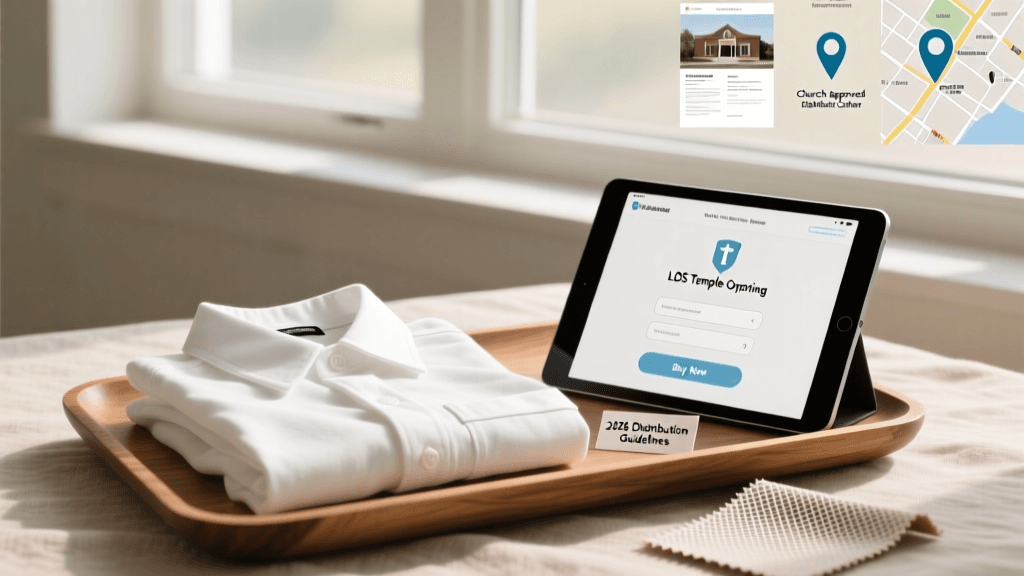
If your measurements fall between two sizes, Church guidelines and experienced patrons generally recommend sizing up. A slightly larger garment will drape more comfortably, reduce friction against the skin, and prevent the sacred markings from stretching out of proportion. In 2026, the Church Distribution app and website feature interactive sizing calculators that cross-reference these three measurements to recommend the most accurate fit for both tops and bottoms.
Common Fit Issues and How to Resolve Them
Even with precise measurements, some women experience fit issues due to the natural fluctuations of the body or the specific cut of a garment style. Here is how to address common problems:
- Sleeves Rolling Up: If cap sleeves constantly roll up the shoulder, try switching to a stretch-lace trim option. The lace grips the skin gently without binding, keeping the sleeve anchored in place.
- Neckline Peeking Out: If your V-neck garment is visible under a V-neck shirt, consider switching to a deeper scoop neck garment style, or utilize modesty panels and camisoles designed specifically for temple garment wearers.
- Bottoms Riding Up: For women who experience the bottoms rolling at the thigh, ensure you are not wearing a size too small. Additionally, the longer 'boy-short' style bottoms available in the 2026 catalog offer a wider hem that stays securely in place during active movement.
Proper Care, Washing, and Respectful Disposal
To extend the life of your garments and maintain the integrity of the elastic and fabric, proper laundering is essential. Always wash garments in cold water with a mild, bleach-free detergent. Chlorine bleach will destroy the spandex fibers, cause severe yellowing, and degrade the fabric rapidly. Tumble dry on low heat or lay flat to dry; high heat will bake the elastic and cause the garment to shrink and lose its shape.
When a garment becomes worn, thin, or damaged beyond repair, it must be disposed of respectfully. As outlined by the Church Newsroom and official handbook guidelines, the sacred markings must be carefully cut out and destroyed so they cannot be recognized. The remaining fabric can then be discarded in the regular trash. Garments should never be donated to thrift stores or given to non-endowed individuals, as they hold no sacred significance to those outside the covenant and their distribution is strictly controlled by the Church.
Conclusion
The temple garment is a beautiful, protective, and sacred element of an endowed woman's life. By understanding the 2026 fabric options, selecting the correct neckline for your wardrobe, and adhering to official fit and care guidelines, you can ensure that your garments remain a comfortable and reverent reminder of your covenants every single day. Whether you are preparing for your first endowment or simply updating your wardrobe with the latest modal blends, Church Distribution provides the resources necessary to find the perfect, respectful fit.