2026 LDS Garment Styles: Modern Fabrics & Active Fits
The Sacred Purpose and Historical Evolution
For members of The Church of Jesus Christ of Latter-day Saints, the temple garment holds profound spiritual significance. Often referred to in broader cultural contexts as Mormon garments, these sacred undergarments serve as a physical reminder of covenants made in holy temples. According to the Gospel Topics: Temples and Temple Garments essay, the garment provides a 'shield and a reminder' to the wearer, encouraging modesty and spiritual mindfulness in daily life. While the theological meaning and the sacred markings remain entirely unchanged, the physical construction, textiles, and styles of the garments have evolved significantly to meet the practical needs of modern members.
Historically, early Latter-day Saint garments were one-piece union suits that extended to the wrists and ankles, reflecting the modesty standards and textile limitations of the 19th century. In the 1920s and 1930s, Church leadership authorized the transition to the modern two-piece design (a separate top and bottom), which allowed for greater mobility and comfort. As we navigate 2026, the evolution continues. Today, members have access to a highly diversified range of fabrics, necklines, and fits designed to accommodate everything from rigorous athletic training to formal wear and extreme climates.
2026 Material Innovations: Beyond Traditional Cotton
In the past, members were largely limited to 100% heavy cotton, which, while durable, often lacked breathability in humid climates and could become heavy when wet. By 2026, the Church's distribution services and authorized third-party modest clothing retailers offer an impressive array of advanced textiles. Understanding these materials is crucial for selecting the right garment for your lifestyle.
Cotton and Cotton-Polyester Blends
The traditional 100% cotton garment remains available for those who prefer natural fibers and have sensitive skin. However, the standard everyday option for most members in 2026 is the cotton-polyester blend. This fabric offers the softness and breathability of cotton combined with the durability, wrinkle resistance, and shrinkage control of polyester. It is an excellent all-purpose choice for moderate climates and daily office or casual wear.
Performance and Moisture-Wicking Mesh
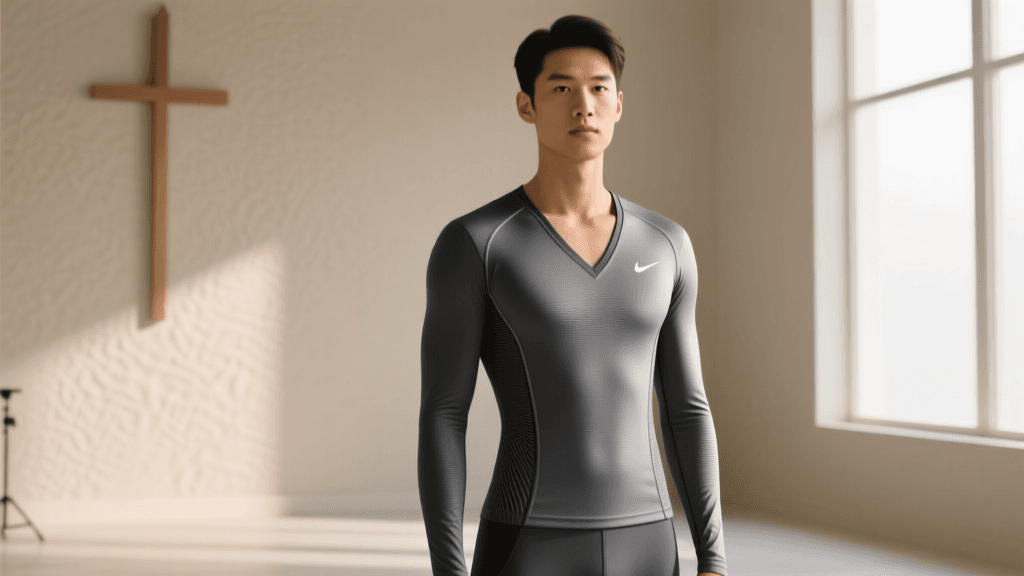
For active members, athletes, and those living in tropical or highly humid regions, the Performance line has become a staple. Constructed from advanced polyester and spandex blends, these garments feature micro-mesh paneling that pulls sweat away from the skin and dries rapidly. The 2026 iterations of the performance line have improved upon earlier designs by offering enhanced four-way stretch, ensuring the garment moves seamlessly during high-intensity workouts, hiking, or manual labor without riding up or chafing.
Modal, Bamboo, and Rayon Blends
While the official Church distribution store focuses primarily on cotton and synthetic performance blends, authorized third-party modest clothing brands have introduced garments made from Modal, bamboo-derived rayon, and micro-modal. These semi-synthetic cellulosic fibers are celebrated in 2026 for their silk-like softness, exceptional temperature regulation, and luxurious drape. They are particularly popular among women seeking a seamless look under fitted professional attire or formal evening wear.
Comprehensive Guide to Modern Garment Styles
The General Handbook of The Church of Jesus Christ of Latter-day Saints outlines that garments should be worn beneath outer clothing, and the style chosen should accommodate the wearer's outer attire while maintaining the sacred nature of the markings. In 2026, the variety of approved cuts ensures members do not have to compromise between their covenants and their wardrobes.
Women's Top Styles
- Carmen Neckline: Featuring a wide, off-the-shoulder cut, the Carmen style is ideal for wearing beneath boat-neck tops, wide-scoop blouses, or specific athletic wear.
- Rounded Neckline: The classic, standard cut that sits at the base of the neck. It provides maximum coverage and is best suited for high-necked shirts and modest professional blouses.
- V-Neck and Scoop Neck: These styles allow members to wear open-collared blouses, V-neck sweaters, and modern casual wear without the garment showing.
- Cap Sleeve and Short Sleeve: Cap sleeves are designed for sleeveless or wide-armhole tops, while short sleeves offer additional coverage and prevent strap friction for those with sensory sensitivities.
Women's Bottom Styles and Maternity Adaptations
Women's bottoms in 2026 are available in knee-length, capri, and ankle-length cuts. The knee-length is the standard, but capri and ankle lengths are highly sought after for wearing beneath cropped wide-leg trousers or athletic leggings. Furthermore, the 2026 catalog features vastly improved maternity panels. These garments include expandable, ultra-soft mesh over-the-belly bands that grow with the wearer throughout pregnancy, providing comfort without putting pressure on the abdomen.
Men's Styles
- Crew Neck: The traditional, higher-cut neckline best worn beneath button-down dress shirts and standard crew-neck t-shirts.
- V-Neck: Designed to remain hidden beneath unbuttoned casual shirts, polo shirts, and V-neck sweaters.
- Athletic Cut: Tailored with a more tapered torso and deeper armholes, the athletic cut prevents bunching and allows for a full range of motion during weightlifting, running, or sports.
Fabric Comparison and Use-Case Chart
Selecting the right material requires balancing climate, activity level, and skin sensitivity. The table below provides a quick reference guide for the primary fabric options available in 2026.
| Fabric Type | Primary Blend | Best Climate / Use Case | Care Instructions |
|---|---|---|---|
| Traditional Cotton | 100% Cotton | Cool/Moderate; Sensitive Skin | Machine wash warm, tumble dry medium |
| Everyday Blend | Cotton / Poly | All-Season; Office & Casual | Machine wash warm, tumble dry low |
| Performance Mesh | Poly / Spandex | Hot/Humid; Athletics & Labor | Wash cold, tumble dry low (No softener) |
| Modal / Bamboo | Modal / Rayon | Warm; Formal & Fitted Wear | Wash cold, lay flat or tumble dry low |
Sizing, Purchasing, and Adaptive Options
Purchasing garments has become increasingly streamlined. Members can order directly through the Official Church Distribution Store online portal or visit local distribution centers. In 2026, the sizing matrix has been expanded to be more inclusive, offering extended sizes ranging from XXS to 5XL, with specific 'Tall' and 'Petite' inseam options for both men and women.
For members with physical disabilities or mobility issues, adaptive garments are now more accessible. These feature discreet magnetic closures or specialized Velcro seams that allow the garment to be put on or removed without requiring the wearer to lift their arms above their head or bend at the waist, ensuring that physical limitations do not hinder spiritual observance.
Care and Maintenance for Technical Fabrics
To maximize the lifespan of modern garments, particularly the performance and modal lines, proper laundering is essential. Technical moisture-wicking fabrics should never be washed with traditional fabric softeners or dryer sheets, as these coat the fibers and destroy their sweat-wicking capabilities. Instead, use a gentle, sport-specific detergent. For modal and bamboo blends, washing in cold water and air-drying or using a low-heat tumble setting will prevent the breakdown of the delicate cellulosic fibers, ensuring the garment retains its shape and softness for years.
Conclusion
The landscape of LDS temple garments in 2026 reflects a beautiful harmony between sacred tradition and modern textile innovation. Whether you are an endurance athlete requiring moisture-wicking mesh, a professional needing a seamless modal fit, or a mother seeking comfortable maternity support, the available styles and materials ensure that the sacred shield and reminder can be worn comfortably in every aspect of modern life.