LDS Garment Styles & Materials: 2026 Buyer's Guide
The Evolution of LDS Temple Garments in 2026
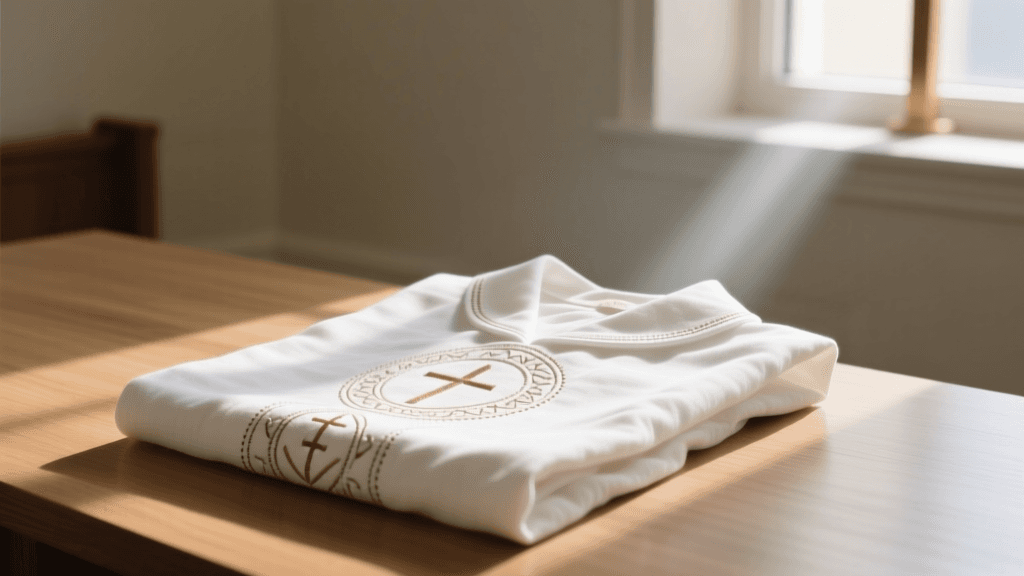
For members of The Church of Jesus Christ of Latter-day Saints, the temple garment is a deeply sacred article of clothing. Worn beneath outer clothing, it serves as a personal, physical reminder of the covenants made in temples. Over the past century, the design, materials, and manufacturing processes of these garments have evolved significantly to accommodate modern lifestyles, diverse global climates, and contemporary clothing trends. As we navigate the 2026 landscape, the Church's Distribution Services offers a highly refined catalog of options that balance reverence with advanced textile comfort.
Understanding the current lineup requires looking at both the historical context and the recent modernizations. According to the historical and theological overview of temple garments, the fundamental symbolism and required markings (often referred to as tokens) remain unchanged. However, the physical vehicle—the fabric and the cut—has seen remarkable updates. In 2026, members have access to an unprecedented variety of necklines, sleeve lengths, and performance fabrics designed to make wearing the garment as seamless and comfortable as possible in any environment.
Current Garment Styles: Men's and Women's Options
The most significant shifts in the 2026 catalog relate to the diversification of styles, particularly for women. While the core requirement is that the garment covers the shoulders, chest, and upper thighs, the specific cuts have been adapted to work invisibly beneath modern professional and casual attire.
Women's Modern Styles
Over the last few years, and solidifying into the standard 2026 lineup, the Church introduced several new women's styles to address modesty and comfort concerns with modern necklines and sleeveless dresses. The current options include:
- Crew Neck: The traditional, classic cut. It provides maximum coverage and is ideal for winter months or conservative outerwear.
- V-Neck: A slightly lower neckline designed to remain hidden beneath open-collared blouses and casual tops.
- Scoop Neck: Introduced to accommodate wider necklines, this style sits lower on the collarbone while maintaining the required coverage of the chest and shoulders.
- Cap Sleeve: A revolutionary update for women who wear short-sleeved or sleeveless tops. The cap sleeve extends just over the shoulder cap, ensuring the garment remains hidden without adding bulk under the arm.
- Camisole Style: The most recent addition, featuring thin, reinforced straps that sit discreetly under sundresses and evening wear, while the lower portion of the garment maintains the traditional coverage and markings.
Men's Traditional and Modern Styles
Men's styles have remained relatively consistent but benefit from the same fabric upgrades. The 2026 options include the standard Crew Neck, the V-Neck (ideal for dress shirts unbuttoned at the collar), and the Polo Style, which features a slightly deeper placket and reinforced collar area to prevent bunching under casual polo shirts.
Comprehensive Fabric and Material Guide
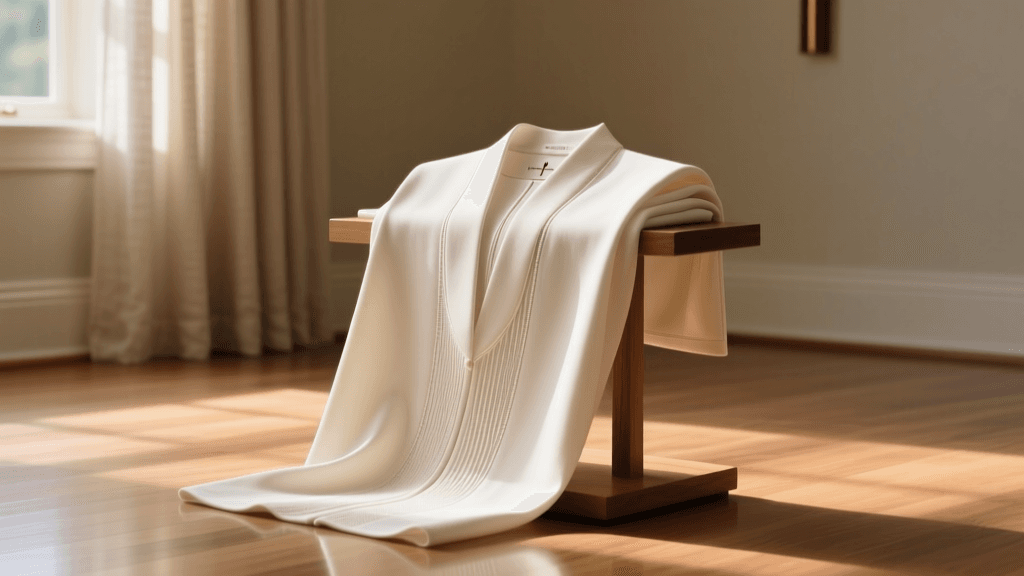
The choice of fabric is arguably the most critical decision for daily comfort. The 2026 Distribution catalog categorizes garments by material blend, each engineered for specific climates and sensory preferences. As outlined by the official Church guidelines on temple clothing, members are encouraged to select the material that best suits their personal needs and local environment.
| Material Blend | Primary Characteristics | Best Climate / Use Case | Durability & Care |
|---|---|---|---|
| 100% Cotton | Breathable, natural, slightly heavier, softens over time. | Temperate climates, sensitive skin, winter months. | High durability; may shrink if washed in hot water. |
| Stretch Cotton | 95% cotton, 5% spandex. Form-fitting, reduces bunching. | Active lifestyles, athletic wear, tailored clothing. | Excellent shape retention; requires low-heat drying. |
| Modal Blend | Ultra-soft, lightweight, moisture-wicking, drapes smoothly. | Humid/tropical climates, summer months, professional wear. | Resists shrinking and fading; highly durable. |
| Performance Mesh | Micro-perforated, ultra-breathable, rapid moisture evaporation. | Extreme heat, high-humidity regions, intense physical labor. | Delicate wash cycle recommended; air dry for longevity. |
Deep Dive: The Rise of Modal and Performance Fabrics
In 2026, the Modal blend has become the most popular choice globally. Derived from beech tree pulp, modal is a semi-synthetic rayon that offers a silk-like texture against the skin. It is significantly cooler than traditional cotton and resists pilling. For members living in regions like Southeast Asia, the American South, or Central America, the Performance Mesh option has been a game-changer. The micro-mesh panels are strategically placed in high-sweat areas (such as the underarms and lower back) to promote airflow without compromising the structural integrity or sacred markings of the garment.
Recent Modern Updates and Mark Adjustments
Recent announcements via the Church Newsroom have highlighted the Church's ongoing efforts to listen to member feedback regarding garment design. One of the most impactful modern updates, which is now standard across all 2026 manufacturing, involves the placement and integration of the sacred marks (tokens).
Historically, the marks were sewn into the fabric in a way that could sometimes cause friction or be visible through very thin, light-colored outer clothing. Modern manufacturing techniques now use ultra-flat, tonal embroidery and seamless bonding technologies. For women's styles specifically, the placement of the marks has been carefully adjusted in recent years to align more naturally with female anatomy and modern clothing cuts, ensuring they remain completely discreet while retaining their exact symbolic meaning and theological placement.
Additionally, the 2026 packaging and distribution model has shifted toward sustainability. Garments are now shipped in biodegradable, minimalist packaging, reducing the carbon footprint of global distribution from the Church's manufacturing hubs in Utah, the Philippines, and Europe.
Climate-Specific Recommendations for 2026
Choosing the right garment is highly dependent on your daily environment. Here is a practical guide for members based on regional climates:
- Tropical & High Humidity (e.g., Florida, Brazil, Philippines): Opt exclusively for the Performance Mesh or Modal bottoms and tops. Avoid 100% cotton, as it retains moisture and can lead to chafing and skin irritation in humid conditions.
- Arid & Hot (e.g., Arizona, Middle East, Australia): Stretch Cotton or lightweight Modal works best. The stretch cotton allows for evaporation while providing a barrier against the harsh, dry sun if wearing lighter outer clothing.
- Cold & Temperate (e.g., Canada, Northern Europe, Mountainous US): 100% Cotton or Stretch Cotton provides a comforting, insulating base layer. The slightly thicker weave of traditional cotton helps retain body heat during winter months.
Sizing, Fit, and Purchasing in 2026
Proper fit is essential for both comfort and reverence. A garment that is too tight can cause the seams to pull and the fabric to degrade prematurely, while one that is too loose will bunch uncomfortably beneath modern, tailored clothing.
In 2026, the Church Distribution Services website features an AI-assisted sizing calculator. By inputting your height, weight, and preferred fit (snug vs. relaxed), the system recommends the exact size for both tops and bottoms. It is highly recommended to measure your chest, waist, and inseam using a soft tape measure before ordering, as vanity sizing in commercial clothing can skew one's perception of their actual measurements.
Purchasing is restricted to endowed members of the Church. As of 2026, prices remain heavily subsidized to ensure accessibility for all members globally. A standard cotton top or bottom averages between $10 and $12 USD, while the specialized Modal and Performance Mesh options range from $14 to $16 USD. Bulk ordering options are available for missionaries and families, which significantly reduces shipping costs.
Care Instructions for Modern Blends
To maximize the lifespan of your garments, especially the newer synthetic and semi-synthetic blends, proper laundering is critical. The days of boiling cotton garments are long past. Follow these 2026 best practices:
- Washing: Use cold or warm water (never hot, as hot water degrades spandex and elastane fibers). Use a mild, bleach-free detergent. Chlorine bleach will destroy the elastic threads and yellow the modal fibers.
- Drying: Tumble dry on low heat for cotton and stretch blends. For Modal and Performance Mesh, air drying or using the 'no heat' fluff cycle is highly recommended to prevent micro-tears in the lightweight fabrics.
- Storage: Fold garments neatly rather than hanging them. Hanging stretch fabrics over time will cause the shoulders to stretch out and lose their shape, compromising the fit beneath outerwear.
Conclusion
The 2026 lineup of LDS temple garments represents a masterful intersection of sacred tradition and modern textile innovation. With expanded style options for women, advanced moisture-wicking fabrics, and discreet mark placements, members can honor their covenants with greater comfort and confidence than ever before. By understanding the unique properties of each fabric and selecting the style that best aligns with your wardrobe and climate, you can ensure that your garments remain a comfortable, constant, and reverent reminder of your spiritual commitments.