LDS Temple Garments 2026: Religious Meaning and Style Guide
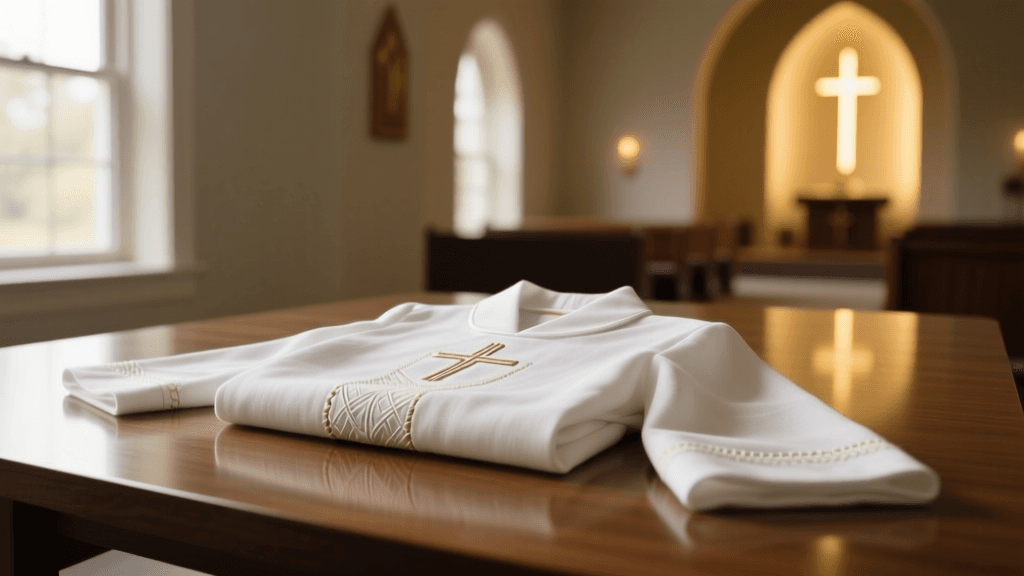
Within the rich tapestry of American religious history, few textile traditions carry as much profound personal and spiritual weight as the temple garments worn by members of The Church of Jesus Christ of Latter-day Saints. Often referred to simply as 'garments,' these sacred undergarments are far more than functional clothing; they are deeply symbolic reminders of covenants made in holy temples. Originating in the United States during the 1840s, this tradition has evolved significantly over the centuries, adapting to modern lifestyles, global climates, and contemporary textile innovations. As of 2026, the Church offers a wide array of fabric blends and styles designed to meet the diverse needs of its endowed members while maintaining the sacred integrity of the garment's religious meaning.
The Covenant and Spiritual Armor
To understand the cultural and religious significance of LDS temple garments, one must look beyond the physical fabric to the theological promises they represent. Garments are provided to adult members who have participated in the temple endowment ordinance. During this sacred ceremony, individuals make covenants (promises) with God, and the garment is given as a tangible, continuous reminder of those commitments.
In Latter-day Saint theology, the garment is often described as a 'shield and protection.' This is not necessarily interpreted as a literal, magical armor against physical harm, but rather as a spiritual safeguard. Wearing the garment serves as a constant, tactile reminder to live righteously, resist temptation, and maintain personal purity. It fosters a sense of modesty and personal boundaries, acting as a private, intimate connection between the wearer and the Divine. For millions of Latter-day Saints across the Americas and the globe, the garment is a source of comfort, identity, and spiritual grounding in an increasingly complex world.
Historical Roots and Ancient Connections
The practice of wearing sacred clothing is not unique to Mormonism; it echoes ancient traditions found across various global religions, including the priestly garments described in the Book of Exodus. However, the specific Latter-day Saint garment was introduced by the Prophet Joseph Smith in Nauvoo, Illinois, in the early 1840s. The original garments were one-piece union suits that extended to the wrists and ankles, reflecting the modesty standards and practical needs of the 19th-century American frontier.
Over the decades, as the Church grew and the daily lives of its members changed, the physical design of the garment was adapted for practicality without altering its sacred marks or core meaning. By the mid-20th century, the two-piece garment (a separate top and bottom) was introduced, revolutionizing how members could integrate this sacred clothing into modern wardrobes. Today, in 2026, the Church continues to refine these designs, ensuring that the garments remain relevant and comfortable for members engaged in athletics, military service, medical professions, and diverse global climates.
Modern Styles and Fabric Options for 2026
The Church's distribution system has made significant strides in textile technology to accommodate the varied needs of its members. In 2026, endowed members can choose from a highly specialized catalog of fabrics and cuts. The garments feature specific woven or embroidered marks—the compass, the square, the navel, and the knee—each carrying deep symbolic meaning related to truth, morality, and spiritual milestones. While the marks remain constant, the canvas upon which they are placed has diversified.
Women's and Men's Styles
For women, the 2026 catalog includes a variety of neckline options such as crew, scoop, V-neck, and rounded V-neck, alongside different sleeve lengths including cap sleeves and short sleeves. This variety allows women to wear the garment comfortably beneath a wide range of modern professional and casual attire while maintaining their personal modesty standards. Men's styles similarly offer crew and V-neck options, with choices between short-sleeve and sleeveless tops, as well as varying inseam lengths for the bottoms to accommodate different trousers and athletic wear.
Fabric Innovations
Choosing the right fabric is essential for comfort, especially for members living in extreme climates or those with active lifestyles. The current fabric lineup includes:
- 100% Cotton: The traditional choice, ideal for those with sensitive skin or allergies to synthetic blends. It offers excellent breathability but may retain moisture during heavy exertion.
- Cotton/Modal Blend: A highly popular option in 2026, modal is a semi-synthetic fiber made from beech tree pulp. It is exceptionally soft, resists shrinking, and drapes beautifully, making it perfect for everyday wear.
- Stretch Mesh: Designed for hot, humid climates and intense physical activity. This lightweight, highly breathable fabric wicks moisture away from the body and dries rapidly.
- Dri-Release Blends: Engineered for outdoor laborers, athletes, and military personnel, these fabrics offer superior moisture-wicking and odor-resistant properties.
2026 Fabric Comparison Chart
| Fabric Type | Best Climate/Use | Breathability | Durability | Care Instructions |
|---|---|---|---|---|
| 100% Cotton | Sensitive skin, temperate zones | High | Moderate | Machine wash warm, tumble dry low |
| Cotton/Modal Blend | Everyday wear, all seasons | Very High | High | Machine wash cold, hang dry preferred |
| Stretch Mesh | Hot, humid climates, athletics | Maximum | Moderate | Hand wash or delicate cycle, air dry |
| Dri-Release | Active lifestyles, outdoor labor | High | Very High | Machine wash, quick dry |
Practical Guide: Measuring and Purchasing in 2026
Acquiring temple garments is a privilege reserved for endowed members in good standing. In 2026, the primary method for purchasing garments is through the official Church distribution store online, which offers a seamless, secure, and private shopping experience. Local temple distribution centers also remain open for members who prefer in-person assistance, fittings, and immediate take-home options.
How to Measure Accurately
Proper fit is crucial for both comfort and the respectful wearing of the garment. Members are encouraged to use a soft cloth measuring tape and measure over lightweight clothing. For tops, measure the chest at the fullest part and the waist at the natural bend. For bottoms, measure the waist and the inseam. The 2026 digital sizing charts available on the distribution portal provide exact garment dimensions, which may differ slightly from standard commercial retail sizing. Always consult the specific size chart for the fabric chosen, as stretch mesh and modal blends fit differently than rigid 100% cotton.
Accommodations and Special Needs
The Church provides accommodations for members with specific medical needs, physical disabilities, or those serving in military and emergency response roles. Modified garments, including those with specialized closures or adjusted lengths, can be ordered through customer service at the distribution centers. Furthermore, members experiencing financial hardship can speak with their local bishop, who can assist in providing garments through the Church's welfare and self-reliance resources.
Respectful Care and Disposal
Because of their sacred nature, temple garments require respectful handling throughout their lifecycle. The General Handbook outlines clear policies regarding the care and disposal of these items. Garments should be kept clean and in good repair. When washing, they should be treated with the same care as any high-quality clothing, avoiding harsh bleaches that might degrade the fabric or the sacred marks.
When a garment becomes worn, torn, or no longer usable, it must be disposed of properly. Members are instructed to carefully cut out the sacred marks (the compass, square, navel, and knee) and destroy them so they are no longer recognizable. The remaining fabric should be cut up or shredded to ensure it cannot be identified as a garment, and then discarded in an opaque bag. Under no circumstances should temple garments be donated to thrift stores, given away, or sold. This strict protocol underscores the deep reverence Latter-day Saints hold for the covenants the garments represent.
Conclusion
The LDS temple garment stands as a unique and profoundly meaningful textile tradition within the Americas and the global Latter-day Saint community. It bridges the gap between ancient covenant-making and modern daily life. As we navigate 2026, the continued evolution of garment styles and fabrics demonstrates a commitment to honoring sacred promises while embracing the practical realities of contemporary living. For those who wear them, the garment remains a quiet, constant companion—a woven reminder of faith, purity, and an enduring connection to the Divine.