LDS Temple Garments: 2026 History, Styles & Buying Guide
Introduction to the Sacred Garment
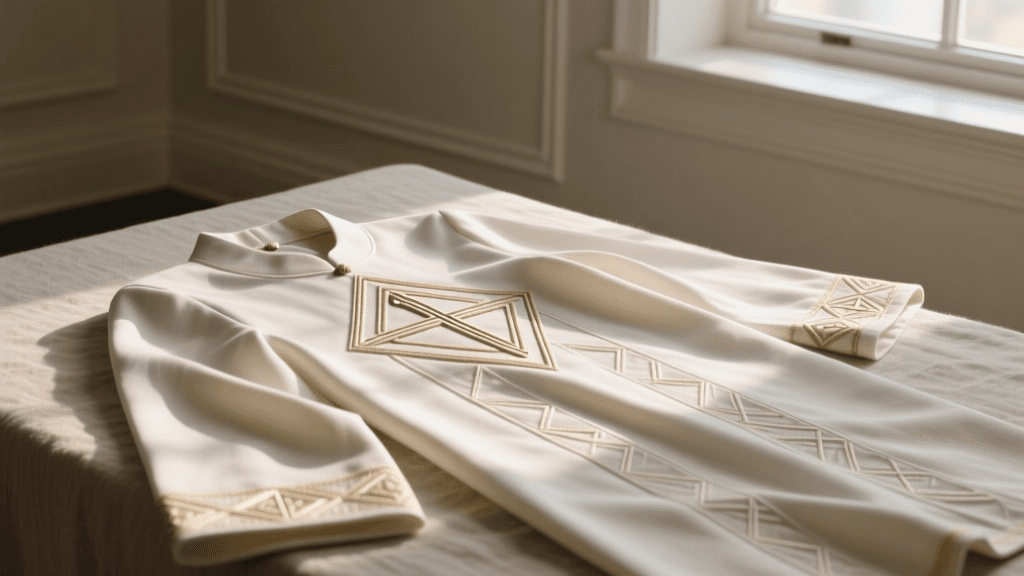
Within the diverse tapestry of religious and traditional clothing across the Americas, few garments carry as much personal, spiritual, and historical weight as the temple garment worn by members of The Church of Jesus Christ of Latter-day Saints (often referred to as Mormon temple garments). Unlike outer garments that signal cultural or regional identity to the public, the temple garment is a private, sacred article of clothing worn beneath everyday attire by endowed adult members. It serves as a constant, physical reminder of the covenants made with God inside Latter-day Saint temples.
As we navigate 2026, the intersection of religious modesty, modern textile technology, and cultural heritage has created a fascinating landscape for these garments. This comprehensive guide explores the rich history of the LDS temple garment, the theological significance of its markings, the latest fabric innovations available in 2026, and how Indigenous Latter-day Saints across the Americas integrate this religious dress with their ancestral textile traditions.
Historical Evolution: From 1842 Nauvoo to 2026
The origins of the temple garment trace back to Nauvoo, Illinois, in 1842. When the Prophet Joseph Smith introduced the temple endowment—a sacred ceremony involving covenants and instruction—he also introduced a special undergarment. Early garments were one-piece, long-sleeved, and extended to the ankles and wrists, resembling the long underwear or "union suits" common in the 19th century. They were made from heavy cotton or wool flannel, reflecting the practical needs of the era and the modesty standards of the time.
As the Church migrated westward to the Salt Lake Valley and expanded globally throughout the 20th century, the garment underwent several practical adaptations. In the 1920s and 1930s, Church leadership authorized the transition from a one-piece suit to a two-piece design (a separate top and bottom), which offered greater comfort and practicality for modern living. Sleeves and legs were gradually shortened to accommodate changing fashion norms and warmer climates.
By the late 20th and early 21st centuries, the introduction of synthetic blends and stretch fabrics revolutionized garment comfort. Today, in 2026, the Church offers a highly sophisticated range of textiles designed for global climates, athletic lifestyles, and varying sensory needs, all while maintaining the sacred marks and modesty requirements established over 180 years ago. For a broader historical context on the Church's development and early practices, you can explore the Encyclopedia Britannica's overview of the Latter-day Saint movement.
The Sacred Marks and Their Theological Meaning
What truly distinguishes the temple garment from standard modest undergarments is the presence of specific woven or embroidered symbols, known as "marks." These marks are deeply rooted in ancient scriptural symbolism and early Masonic influences, adapted by Joseph Smith to teach profound theological concepts.
- The Square: Located on the right breast, the square represents honor, integrity, loyalty, and trustworthiness. It reminds the wearer to be upright in all their dealings.
- The Compass: Located on the left breast, the compass symbolizes an undeviating course leading to eternal life. It reminds the wearer to keep their desires and passions within the bounds the Lord has set.
- The Navel Mark: Located at the center of the torso, this mark (often resembling a figure-eight or infinity symbol) represents the continuous need for spiritual nourishment and the eternal nature of the soul.
- The Knee Mark: Located on the right knee, this symbolizes the posture of prayer and the willingness to bow before God in humility and reverence.
"The garment of the holy priesthood is an outward expression of an inward commitment. It is a shield and a protection to the wearer, reminding them of their sacred covenants." — General Handbook, The Church of Jesus Christ of Latter-day Saints.
2026 Garment Styles, Fabrics, and Pricing
The Church's Distribution Services and online store have continuously updated their catalog to meet the needs of a global membership. In 2026, members can choose from a variety of fabrics and cuts tailored to different climates, body types, and activity levels. The pricing remains heavily subsidized by the Church to ensure accessibility for all endowed members worldwide.
| Fabric Type | Best Use Case | Key Features | 2026 Price Range (USD) |
|---|---|---|---|
| 100% Cotton | Everyday wear, sensitive skin | Breathable, classic fit, durable, natural fibers | $8.50 - $10.00 |
| Cotton-Modal Blend | Office wear, moderate climates | Exceptionally soft, resists shrinking, drapes well | $10.50 - $12.50 |
| Stretch Mesh | Athletics, hot/humid weather | Lightweight, high elasticity, maximum airflow | $12.00 - $14.00 |
| Cooling/Wicking Tech | High heat, outdoor labor, travel | Moisture-wicking, antimicrobial, rapid dry-time | $14.50 - $16.50 |
| Maternity Panel | Pregnancy and postpartum | Expandable abdominal panel, soft waistbands | $13.00 - $15.00 |
In addition to fabric choices, 2026 styles include varied necklines (crew, V-neck, and scoop for women), different sleeve lengths (cap, short, and elbow), and leg lengths for bottoms (brief, boxer-brief, and knee-length). The Church also offers specialized garments for youth preparing for missions, military personnel (including flame-resistant options), and those with specific medical or sensory needs.
Purchasing and Caring for Garments in 2026
Purchasing temple garments is a sacred privilege restricted to members who hold a current, valid temple recommend. This recommend is issued by local ecclesiastical leaders (bishops and stake presidents) after a private interview confirming the member's worthiness and adherence to Church standards.
In 2026, the primary method of acquisition is through the official Church online store, which utilizes a secure login system tied to the member's Church Account to verify recommend status automatically. Members can also purchase garments in person at physical Church Distribution Centers located near temples and major stakes globally. For those living in remote areas, local leaders can facilitate special orders.
Care Instructions
Proper care extends the life of the garments and maintains their pristine appearance. Modern 2026 fabrics require specific care:
- Washing: Machine wash cold or warm with like colors. Avoid bleach, which degrades the elastic fibers and damages the sacred marks.
- Drying: Tumble dry low for cotton blends. Stretch mesh and cooling fabrics should be air-dried or dried on the lowest heat setting to prevent melting or warping of synthetic fibers.
- Disposal: When garments become worn, thin, or damaged beyond repair, they are not thrown away in regular trash. Members are instructed to carefully cut out the sacred marks (which are then disposed of respectfully) and the remaining fabric can be discarded or repurposed as cleaning rags.
Intersections with Indigenous and Traditional American Dress
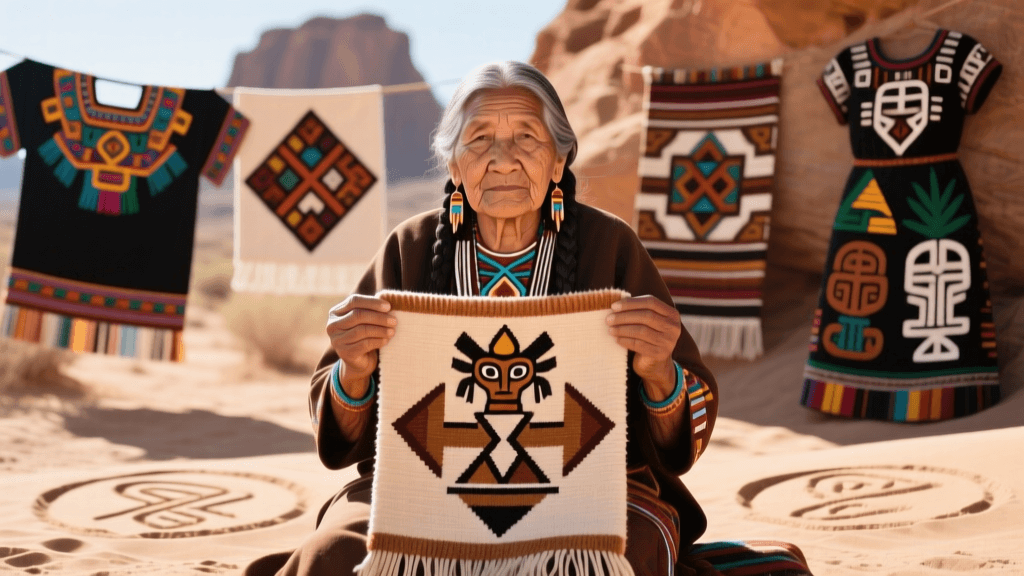
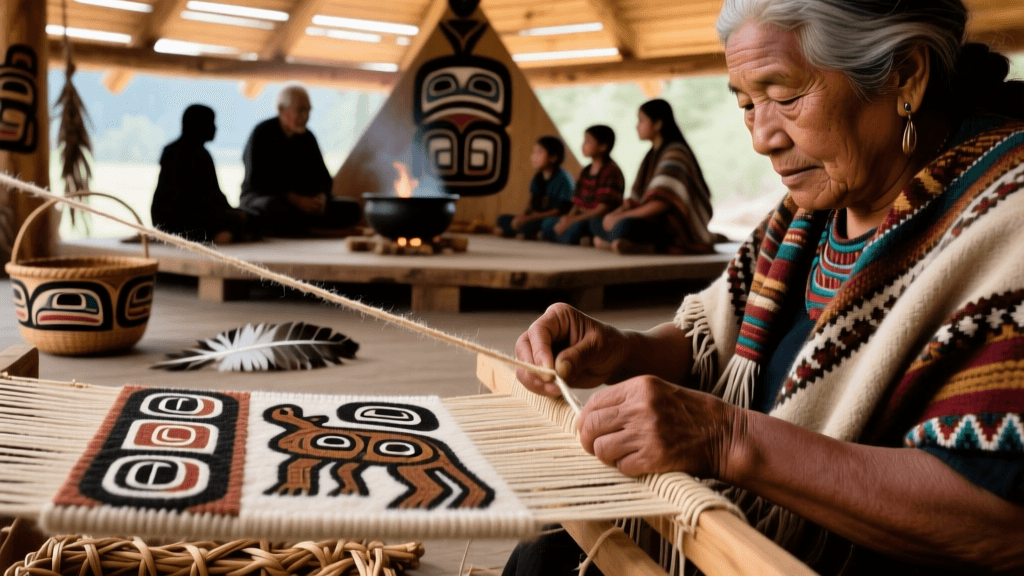
As a website dedicated to the traditional garments and cultures of the Americas, it is vital to examine how the wearing of LDS temple garments intersects with Indigenous clothing traditions. For many Native American and Latin American Latter-day Saints, navigating the modesty requirements of the garment alongside their ancestral dress is a profound expression of dual identity.
Among the Navajo (Diné) in the American Southwest, traditional attire often includes velvet shirts, long tiered skirts, and turquoise jewelry. The modest cuts of traditional Navajo clothing naturally accommodate the lines of the temple garment without requiring significant alteration. For Diné women, the long, flowing skirts and high-necked blouses worn during ceremonies and powwows align seamlessly with the coverage required by the garment, allowing them to honor both their spiritual covenants and their tribal heritage.
In Latin America, the intersection presents unique textile challenges and creative solutions. Indigenous women in Guatemala and Mexico often wear the huipil, a traditional embroidered tunic. Authentic, hand-woven huipiles frequently feature wider, square necklines or shorter cap sleeves that may extend beyond the boundaries of the temple garment. In 2026, many Indigenous LDS women collaborate with local weavers and tailors to create custom "modesty panels" or modified huipiles. These adaptations utilize the same intricate, ancestral brocade weaving techniques (often featuring regional motifs like quetzal birds or geometric volcanoes) but are tailored with slightly higher necklines and longer sleeves to ensure the temple garment remains entirely concealed.
Similarly, in the Andean regions of Peru and Bolivia, Quechua and Aymara women wear the pollera (wide, layered skirts) and intricately embroidered blouses. The layering of traditional Andean textiles provides ample coverage, but the vibrant, heavy woolen aguayos (carrying cloths) and shawls are often coordinated to complement the modest silhouettes required by their religious commitments. This beautiful synthesis of Indigenous American textile arts and Mormon religious dress represents a unique, living tradition within the broader Americas and Indigenous clothing landscape.
Conclusion
The Mormon temple garment is far more than a piece of clothing; it is a deeply personal, spiritual armor that connects millions of Latter-day Saints across the globe to their faith, their history, and their covenants. From its origins in 1840s Nauvoo to the advanced, moisture-wicking fabrics of 2026, the garment has evolved to meet the practical needs of a diverse, global membership while preserving its sacred core. For Indigenous members across the Americas, the garment also serves as a bridge between eternal covenants and ancestral heritage, proving that religious devotion and cultural pride can be beautifully woven together. For more information on temple practices and locations, visit the official Church Temples page.