2026 Guide to LDS Garment Materials & Modern Styles
For members of The Church of Jesus Christ of Latter-day Saints, the temple garment is a deeply sacred article of clothing. Worn beneath outer clothing, it serves as a personal, private reminder of covenants made in holy temples. While the spiritual significance and the sacred markers woven into the fabric remain entirely unchanged since their introduction in the 19th century, the physical textiles, cuts, and manufacturing processes have evolved dramatically. As of 2026, the Church’s distribution network offers a highly sophisticated range of fabric technologies and inclusive sizing options designed to accommodate diverse climates, body types, and active lifestyles.
The Historical Shift in Garment Textiles
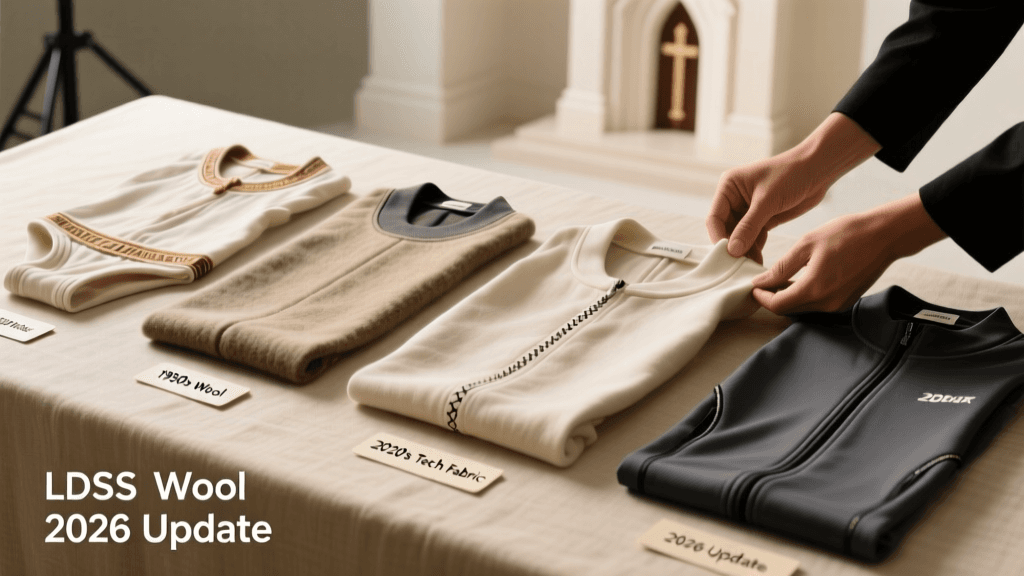
To understand the modern 2026 catalog, it is helpful to look at the textile history of the garment. In the 1840s, early garments were essentially full-body union suits made from heavy, unbleached cotton or wool flannel, extending to the wrists and ankles. Over the decades, as global climates and societal dress norms shifted, the Church authorized modifications for practicality. The 1920s saw the introduction of shorter sleeves and legs. By the late 20th century, the transition to a two-piece top and bottom became the standard. Today, the focus of textile engineering is on breathability, moisture management, and sustainable sourcing, ensuring that the sacred garment can be worn comfortably in any environment on Earth.
Primary Fabric Options Available in 2026
The modern distribution catalog categorizes garments primarily by their textile composition. Each fabric serves a distinct functional purpose, allowing members to curate a wardrobe that fits their daily needs.
Cotton and Cotton Blends
Traditional 100% cotton remains a staple for those with sensitive skin or those who prefer natural fibers. However, pure cotton is prone to shrinkage and can retain moisture during heavy physical exertion. In 2026, cotton-polyester blends are frequently recommended for everyday wear, as the addition of synthetic fibers provides structural integrity, reduces shrinkage, and extends the lifespan of the garment through hundreds of wash cycles.
Modal: The 2026 Standard for Everyday Comfort
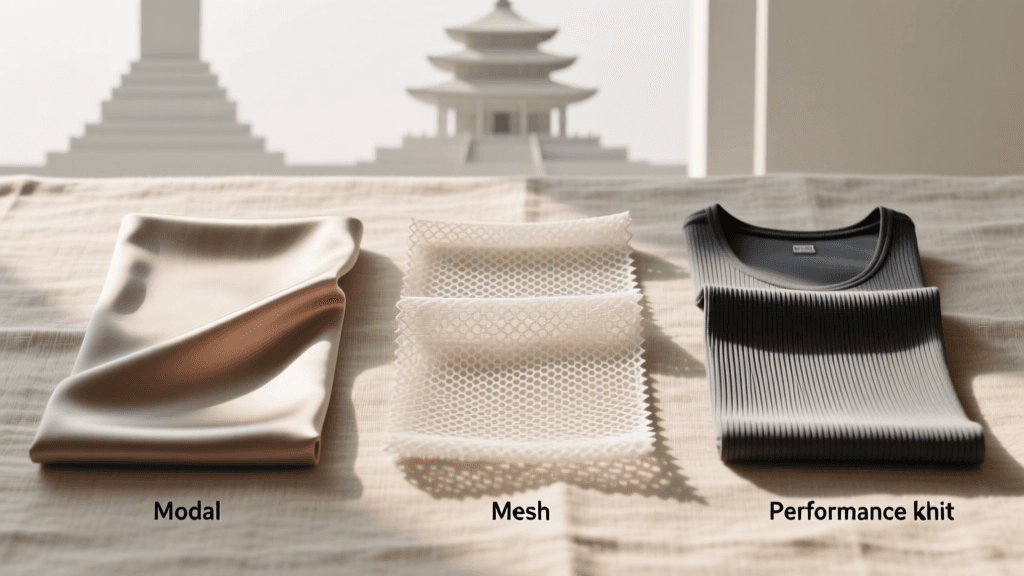
Modal has become the overwhelmingly popular choice for daily wear. Derived from the pulp of beech trees, modal is a type of rayon that is exceptionally soft, smooth, and breathable. The 2026 modal garments feature a blend of approximately 95% Lenzing Modal and 5% elastane (spandex). This composition provides a gentle, silk-like drape that resists pilling and shrinking. Modal is highly favored for office environments, travel, and moderate climates because it regulates body temperature effectively and feels virtually weightless against the skin.
Mesh and Athletic Weaves
For high-humidity environments, intense physical labor, or athletic activities, mesh garments are the premier choice. Constructed from a specialized polyester and spandex open-weave blend, mesh fabrics excel at moisture-wicking and rapid evaporation. The 2026 mesh iterations have been refined to prevent snagging and to maintain the structural integrity of the sacred markers, even when stretched during rigorous movement. Mesh is particularly vital for members living in tropical regions or those serving missions in sweltering climates.
Modern Style Updates and Inclusive Sizing
Beyond fabric technology, the 2026 catalog reflects a deep commitment to inclusive sizing and anatomical fit. The Church has worked closely with textile engineers and focus groups to ensure that the garments fit seamlessly beneath modern fashion trends while maintaining modesty standards.
Women's Tops and Bottoms
Women’s garments in 2026 offer a variety of necklines, including crew, V-neck, and scoop, allowing them to be worn invisibly beneath diverse outerwear styles. Sleeve lengths range from cap sleeves to short sleeves. A significant update in recent years, fully integrated into the 2026 inventory, is the expanded range of torso lengths and specialized maternity and nursing designs. These updates ensure that women do not have to compromise on comfort or covenant-keeping during pregnancy and postpartum recovery. Bottoms are available in varied inseams, from brief-style to mid-thigh, accommodating everything from athletic wear to professional skirts.
Men's Tops and Bottoms
Men’s tops are available in crew and V-neck styles, with options for short and long sleeves. The 2026 athletic cuts feature tapered torsos and raglan sleeves to prevent bunching under fitted dress shirts or workout gear. For bottoms, men can choose between traditional brief styles and modern boxer-brief cuts. The introduction of extended inseams in the boxer-brief line has been highly praised by athletes and those living in colder climates who require additional coverage and chafing prevention.
2026 Material Comparison Chart
Selecting the right fabric is essential for daily comfort. Below is a comprehensive comparison of the primary materials available through Church Distribution Services in 2026.
| Fabric Type | Material Composition | Best Use Case | Shrinkage Risk | Care Level |
|---|---|---|---|---|
| Cotton Blend | Cotton / Polyester | Everyday wear, sensitive skin | Moderate | Standard |
| Modal | 95% Modal / 5% Elastane | Office, travel, moderate climates | Very Low | Delicate |
| Mesh | Polyester / Spandex | Athletics, high humidity, tropics | None | Easy |
| Performance | Moisture-Wicking Synthetics | Outdoor labor, extreme heat | None | Standard |
Sustainability and Ethical Sourcing
As global awareness of textile environmental impact grows, the 2026 garment supply chain has placed a heavier emphasis on sustainability. Modal, in particular, is celebrated for its eco-friendly footprint. Beech trees require significantly less water than cotton plants and do not necessitate artificial irrigation or heavy pesticide use. Furthermore, the closed-loop manufacturing process used for modern modal fibers ensures that the majority of solvents and water are captured and reused, minimizing chemical runoff. By prioritizing these sustainable textiles, the distribution system aligns with broader principles of environmental stewardship.
Purchasing, Sizing, and Distribution
Purchasing garments is restricted to endowed members of the Church, requiring a login via a Church Account to access the online store or to make purchases at physical Distribution Centers located globally. According to the General Handbook, members are encouraged to wear the garment day and night, making it necessary to own a sufficient supply for rotation and laundering. In 2026, the online sizing calculator has been upgraded with AI-driven fit recommendations, allowing members to input their exact measurements to receive bespoke size suggestions, drastically reducing return rates and ensuring a proper, respectful fit.
Proper Care for Modern Fabrics
To maintain the integrity of the sacred markers and the elasticity of modern fabrics, specific care routines are required:
- Modal: Must be washed in cold water to prevent degradation of the elastane fibers. Tumble drying on low heat or line drying is highly recommended. High heat will destroy the silk-like finish and cause the fabric to pill.
- Mesh and Performance: These synthetic blends are incredibly durable and can be washed in warm water. However, they should never be exposed to high heat in the dryer, as this can melt the microfibers. Air drying is the best method to preserve the moisture-wicking coatings.
- Cotton Blends: Can withstand standard washing and drying, though removing them from the dryer while slightly damp and laying them flat will prevent severe shrinkage and maintain the original neckline shape.
Conclusion
The 2026 landscape of LDS temple garments represents a harmonious blend of sacred tradition and modern textile innovation. By offering advanced materials like eco-friendly modal and high-performance mesh, alongside inclusive, anatomically diverse sizing, the Church ensures that members can honor their covenants comfortably in any corner of the globe. Understanding these fabric technologies allows members to make informed choices that support their daily lives, whether they are navigating a corporate office, engaging in rigorous athletics, or serving in humid, tropical climates.