LDS Garment Materials & Styles: 2026 Modern Updates Guide
The Evolution of LDS Temple Garments in 2026
For members of The Church of Jesus Christ of Latter-day Saints, the temple garment is a profoundly sacred article of clothing. It serves as a daily, physical reminder of covenants made in the temple and represents an outward expression of an inward commitment to follow Jesus Christ. While the spiritual significance and the core symbolic markings of the garment remain entirely unchanged, the physical construction, textiles, and tailoring have seen remarkable modern updates. As we navigate 2026, the intersection of sacred tradition and modern textile science has resulted in garments that are more comfortable, durable, and adaptable to diverse global climates than ever before.
Historically, temple garments were crafted exclusively from heavy woven cotton, which, while natural and breathable, often presented challenges regarding shrinkage, moisture retention, and stiffness in humid environments. Today, the Church’s distribution network and authorized retailers offer a sophisticated array of fabric blends and tailored fits. According to the Gospel Topics Essay on Temple Garments, the focus remains on modesty and the sacred nature of the covenants, but the practical application of these principles has embraced 21st-century textile innovation to ensure members can wear their garments comfortably in any setting.
Comprehensive Material Comparison Guide
Choosing the right fabric is essential for daily comfort, especially for members living in extreme climates or those with active lifestyles. In 2026, the primary materials available through official distribution channels and authorized partners like Deseret Book fall into three distinct categories.
100% Cotton (The Traditional Standard)
Pure cotton remains a popular choice for those who prefer natural fibers and live in temperate climates. Modern 2026 cotton weaves are lighter and feature improved pre-shrinking treatments compared to previous decades. However, cotton still retains moisture, making it less ideal for heavy sweating or high-humidity environments. It provides a crisp, traditional feel but requires careful laundering to maintain its shape and prevent the neckline from stretching out over time.
Cotton-Modal Blends (The Softness Upgrade)
Modal, a semi-synthetic fiber derived from beech tree pulp, has revolutionized the garment experience over the last few years. By blending modal with cotton, manufacturers have created a fabric that is exceptionally soft, highly resistant to shrinking, and possesses a beautiful drape. Modal blends wick moisture slightly better than pure cotton and feel cool to the touch, making them a favorite for everyday wear in office environments or moderate climates. The 2026 iterations of these blends feature reinforced flatlock seams to prevent chafing.
Performance & Cooling Synthetics (The Climate Solution)
For members residing in tropical regions, working outdoors, or engaging in rigorous physical activity, performance fabrics are indispensable. These garments utilize advanced microfiber polyester and spandex blends. Early versions of synthetic garments were sometimes criticized for feeling 'plastic' or trapping heat. However, the 2026 performance line utilizes microscopic laser-vented weaves that actively pull sweat away from the skin and promote rapid evaporation. These garments are incredibly lightweight, virtually shrink-proof, and offer four-way stretch for unparalleled mobility.
| Material Type | Breathability | Moisture Wicking | Shrink Resistance | Best Use Case (2026) |
|---|---|---|---|---|
| 100% Cotton | High | Low (Retains moisture) | Moderate | Temperate climates, sleepwear, traditional preference |
| Cotton-Modal Blend | Very High | Medium | High | Daily office wear, moderate climates, sensitive skin |
| Cooling Performance | Maximum | Very High (Rapid dry) | Maximum | Tropical climates, athletics, outdoor labor, travel |
Modern Style Updates and Fit Innovations
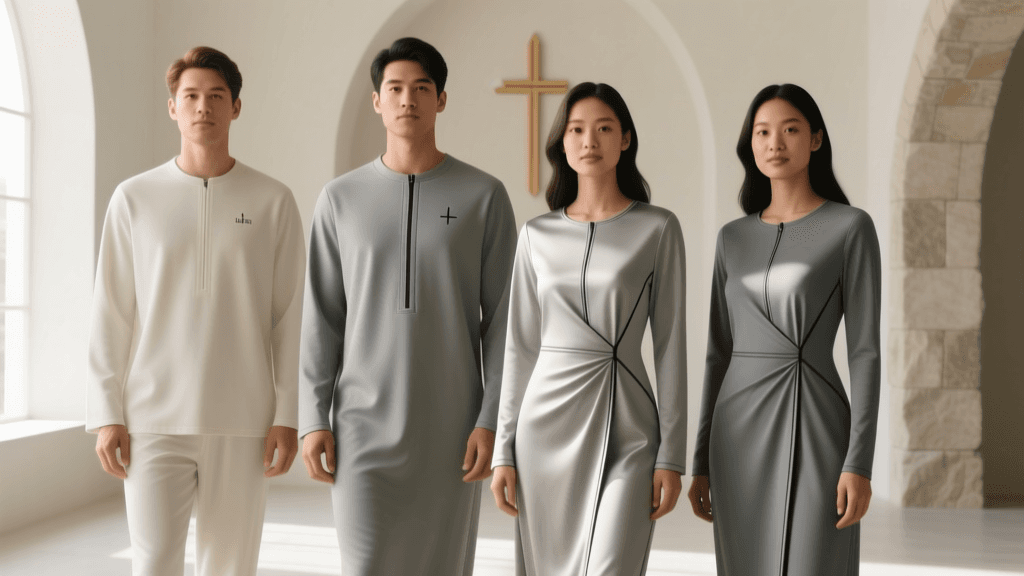
Beyond textiles, the actual cut and silhouette of the garments have undergone significant, welcome updates. For decades, garments were largely produced using a unisex, boxy pattern that did not account for the anatomical differences between men and women. The 2026 catalog reflects a highly tailored approach, ensuring modesty without sacrificing modern fashion compatibility.
Women’s Specific Cuts and Necklines
The shift away from unisex patterns has been a game-changer for women. Today’s women’s garments are contoured to accommodate the female form, featuring darting and tapered waists that prevent the fabric from bunching under fitted clothing. Neckline options have expanded significantly to accommodate modern modest wardrobes. Women can now choose from traditional crew necks, modest V-necks, and scoop necks, ensuring the garment remains hidden beneath various blouse styles. Sleeve lengths have also been refined; the 2026 cap-sleeve and short-sleeve options feature laser-cut hems that eliminate bulky seams, making them invisible under lightweight summer tops. Additionally, the torsos of women's tops have been lengthened to prevent them from riding up during daily activities.
Men’s Athletic and Stretch Fits
Men’s garments have also benefited from ergonomic redesigns. The 2026 men’s line introduces 'athletic' and 'stretch' fits that incorporate gusseted inseams and strategic spandex panels. This allows for a full range of motion, which is particularly beneficial for men who work in physical trades, ride bicycles, or engage in sports. The leg hems on men's bottoms have been tapered and banded with soft, non-binding elastic to prevent the fabric from riding up the thigh or bunching uncomfortably under modern, slimmer-fit trousers. Flatlock stitching is now standard across all men's performance lines, drastically reducing skin irritation during long days of wear.
Purchasing, Sizing, and Care Guidelines
Acquiring temple garments in 2026 is a seamless process, primarily facilitated through the Official Church Distribution and Temple Garment Page or authorized retail partners. The Church has recently updated its digital sizing tools, allowing members to input precise measurements to receive algorithmic fit recommendations, reducing the rate of returns and exchanges.
Proper Care for Modern Fabrics
To maximize the lifespan of modern garments, care routines must be adjusted based on the material:
- Cotton and Modal: Wash in cold or warm water with like colors. Tumble dry on low heat. Removing modal garments from the dryer immediately prevents wrinkling and maintains the fabric's silky drape.
- Performance Synthetics: Wash in cold water only. Crucial: Never use liquid fabric softeners or dryer sheets on performance garments. Softeners coat the microfibers and destroy the fabric's moisture-wicking capabilities. Air drying or tumble drying on 'no heat' is highly recommended to preserve the elasticity of the spandex blends.
- Stain Treatment: For all materials, avoid chlorine bleach, which degrades the fibers and weakens the structural integrity of the seams. Use oxygen-based stain removers instead.
Conclusion
The 2026 updates to LDS temple garments represent a thoughtful balance between reverence for sacred ordinances and the practical demands of modern life. By offering advanced modal blends, high-tech cooling synthetics, and anatomically tailored cuts, the Church ensures that members can honor their covenants comfortably, regardless of their climate, profession, or lifestyle. Whether you are transitioning from traditional cotton to a cooling performance blend, or seeking a women's specific V-neck cut for your professional wardrobe, today's garment options provide unprecedented comfort while maintaining the sacred modesty and symbolism that define this essential aspect of Latter-day Saint worship.