Latvian Sakta Brooches & Vainags Crowns: 2026 Sourcing Guide
The Renaissance of Baltic Adornment in 2026
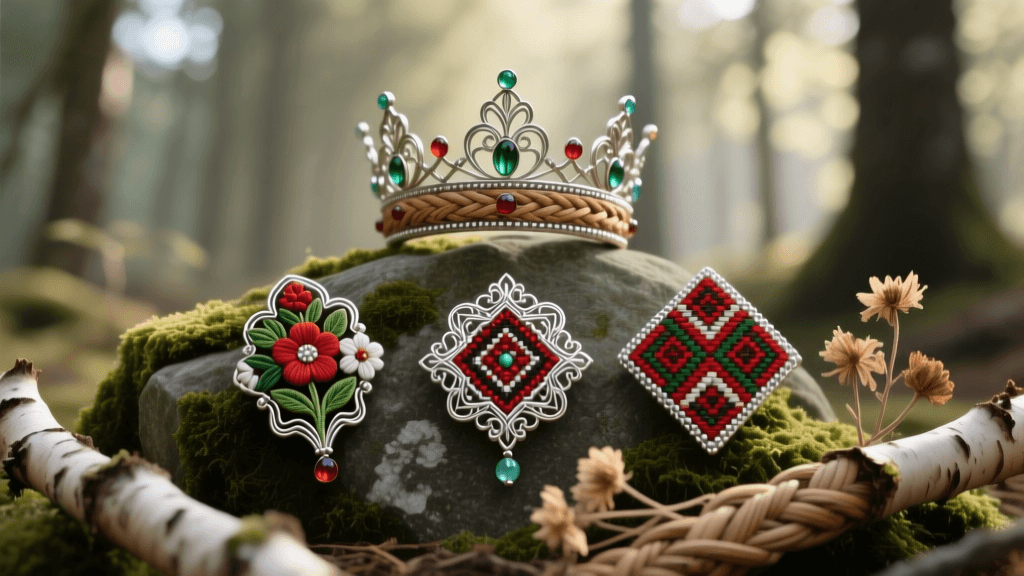
When exploring the rich tapestry of European folk dress, the Baltic region stands out for its extraordinary metallurgical and beadworking traditions. In Latvia, traditional accessories are not mere afterthoughts; they are the focal points of the national costume, carrying deep ethnographic, social, and regional significance. As we navigate the 2026 landscape of heritage fashion, there has been a massive resurgence in the demand for authentic, handcrafted Baltic jewelry. Collectors, cultural enthusiasts, and modern fashionistas alike are seeking out the iconic sakta (brooch) and the breathtaking vainags (maiden's crown) to integrate into both traditional ensembles and contemporary wardrobes.
However, the market is currently flooded with mass-produced, machine-stamped tourist trinkets that lack the historical accuracy and artisanal quality of true folk dress accessories. For serious collectors and cultural preservationists, understanding the nuances of regional variations, material authenticity, and current market pricing is essential. This comprehensive 2026 sourcing guide will walk you through the anatomy of Latvian folk jewelry, providing actionable advice on where to find master-crafted pieces, how to verify their authenticity, and how to care for these wearable artifacts.
Decoding the Sakta: Anatomy of a Baltic Brooch
The sakta is the quintessential Latvian brooch, historically used to fasten the heavy woolen shawls and linen shirts that form the base of the national costume. While ancient variants were cast in bronze, the 19th century saw a definitive shift toward silver, a tradition that master jewelers continue to uphold in 2026 using high-grade sterling silver and ethically sourced Baltic amber. The type of sakta you choose often dictates the specific regional costume it accompanies, making precise sourcing critical.
Burbuļsakta (The Bubble Brooch)
Characterized by its domed, hollow silver spheres, the burbuļsakta is perhaps the most recognizable of all Latvian brooches. The bubbles are traditionally soldered onto a flat or slightly domed silver base plate. In 2026, master silversmiths are utilizing a combination of traditional lost-wax casting and precise 3D modeling to ensure the bubbles are perfectly symmetrical while maintaining the organic, hand-finished texture that defines authentic folk art. These brooches range from delicate 4-centimeter pieces to massive 12-centimeter statement items that can weigh over 150 grams.
Ripuļsakta (The Disc Brooch)
The ripuļsakta is a flat, disc-shaped brooch, often featuring intricate geometric engravings, filigree work, or hanging silver charms that create a soft chiming sound when the wearer moves. Originating primarily from the Vidzeme and Kurzeme regions, these discs are heavily reliant on the artisan's engraving skills. Modern 2026 replicas often feature laser-cut bases, but true collectors must look for hand-chased engraving marks, which provide a depth and shadow that machines cannot replicate.
Saktas ar Stikliņiem (Glass Stone Brooches)
Featuring polished glass cabochons—most commonly in deep red, cobalt blue, or emerald green—these brooches were historically a sign of wealth, as the glass was often imported from Bohemia or Venice. Today, authentic artisans source high-quality, lead-free Bohemian glass to recreate the luminous depth of the 19th-century originals. The silver settings are typically raised, utilizing a bezel or prong setting that allows light to pass through the translucent stones.
2026 Market Pricing and Sourcing Data
Understanding the current market value of these items is crucial to avoid overpaying for factory-made imitations or underestimating the value of antique and master-crafted pieces. Below is a comparative breakdown of the 2026 market for authentic, artisan-made Latvian saktas.
| Brooch Type | Traditional Material | 2026 Average Price (EUR) | Best Modern Application |
|---|---|---|---|
| Burbuļsakta (Small, 5cm) | 925 Sterling Silver | €85 - €140 | Lapel pin, lightweight scarf clasp |
| Burbuļsakta (Large, 10cm+) | 925 Sterling Silver | €250 - €450 | Heavy wool shawl fastener, statement piece |
| Ripuļsakta (Engraved) | Silver with Brass charms | €120 - €220 | Blazer accent, traditional linen shirt |
| Amber Sakta (Polished) | Silver and Baltic Amber | €150 - €380 | Evening wear, modern knitwear |
| Antique Sakta (Pre-1940) | Coin Silver / Bronze | €500 - €2,500+ | Museum collections, high-end heirloom |
The Vainags: Engineering the Maiden’s Crown
If the sakta is the heart of Latvian jewelry, the vainags is its crown. Worn exclusively by unmarried women, the vainags is a rigid, elaborately decorated headpiece that sits atop the head, often extending slightly down the sides. It is a masterpiece of mixed-media craftsmanship, combining structural engineering with delicate beadwork and metallic embroidery.
Construction and Materials
A true 2026 artisan vainags is built on a sturdy base of archival-quality cardboard or molded leather, ensuring it retains its shape over decades of wear. This base is then covered in rich fabrics—typically red, gold, or black wool and silk. The surface is densely embroidered using metallic threads (historically real gold and silver wire, now replaced by high-grade tarnish-resistant metallic yarns), sequins, and thousands of tiny glass seed beads. Many variations also feature dangling elements, such as silver coins, spangles, or ribbon tails that cascade down the wearer's back.
Regional Distinctions
- Kurzeme: Known for the most opulent and heavy crowns, often featuring wide bands of gold thread embroidery and large, prominent glass stones. The crowns from the Nīca and Bārta parishes are particularly sought after for their bold, geometric beadwork patterns.
- Vidzeme: Vainags from this region tend to be slightly narrower but are distinguished by their intricate use of metallic spangles and pearl-like beads. The color palette often leans heavily on silver threads and white or cream accents.
- Latgale: Reflecting the region's diverse cultural influences, Latgalian headwear often incorporates brighter silk ribbons, floral motifs, and a distinct wreath-like silhouette compared to the rigid bands of the western regions.
Authentic Sourcing: Where to Buy in 2026
Acquiring a genuine sakta or vainags requires bypassing the souvenir shops of Old Riga and connecting directly with certified heritage artisans. In 2026, the most reliable method for verifying an artisan's credentials is through their affiliation with recognized cultural institutions. The Latvian National Centre for Culture maintains strict standards for traditional craftsmen, and purchasing from makers who hold their heritage certification guarantees that the materials and techniques used are ethnographically accurate.
Furthermore, the pinnacle of Baltic folk dress acquisition remains the Latvian Song and Dance Festival. Recognized on the UNESCO Intangible Cultural Heritage list, this massive cultural event is not just a performance; it is a living marketplace where master guilds from across the country sell directly to the public. If you cannot attend the festival, the official guild directories associated with the event provide a vetted list of master jewelers and weavers who accept international commissions throughout the year.
When commissioning a custom vainags, expect a lead time of 4 to 8 months. Artisans require precise head measurements (circumference and crown-to-ear drop) to ensure the rigid base fits securely without the need for damaging modern hairpins. For saktas, many silversmiths offer made-to-order casting, allowing you to choose between traditional high-polish finishes or an oxidized patina that mimics the look of a well-worn 19th-century antique.
Contemporary Styling and Preservation
Integrating heavy ethnographic jewelry into a modern 2026 wardrobe requires a balanced approach. A large, 10-centimeter bubble brooch can easily overwhelm a delicate silk blouse. Instead, utilize these heavy silver pieces to anchor structured garments: pin a large ripuļsakta to the lapel of a tailored wool blazer, or use a sturdy amber sakta to clasp a thick, hand-knit winter cowl. Smaller, 4-centimeter saktas are perfect for securing the collars of modern linen shirts or adding a subtle heritage touch to a denim jacket.
Preserving these items is equally important. Silver saktas should be stored in anti-tarnish cloth bags, away from humidity. Avoid commercial silver dips, which can strip the intentional oxidation from the engraved grooves; instead, use a soft microfiber cloth and a mild, non-abrasive silver polish paste. For the delicate beadwork and metallic threads of a vainags, never attempt wet cleaning. Dust should be gently removed using a soft, natural-bristle makeup brush. Store the crown in a rigid, acid-free hat box, stuffed lightly with unbleached tissue paper to maintain the structural integrity of the base and prevent the dangling elements from tangling or crushing the glass beads.
By investing in authentic, master-crafted Latvian accessories, you are not merely buying jewelry; you are participating in the active preservation of European folk dress, ensuring that the fires of Baltic silversmithing and beadworking continue to burn brightly in the modern era.