Crafting the Italian Renaissance Gamurra: 2026 Fabric & Pattern Guide
The Gamurra: Foundation of 15th-Century Italian Dress
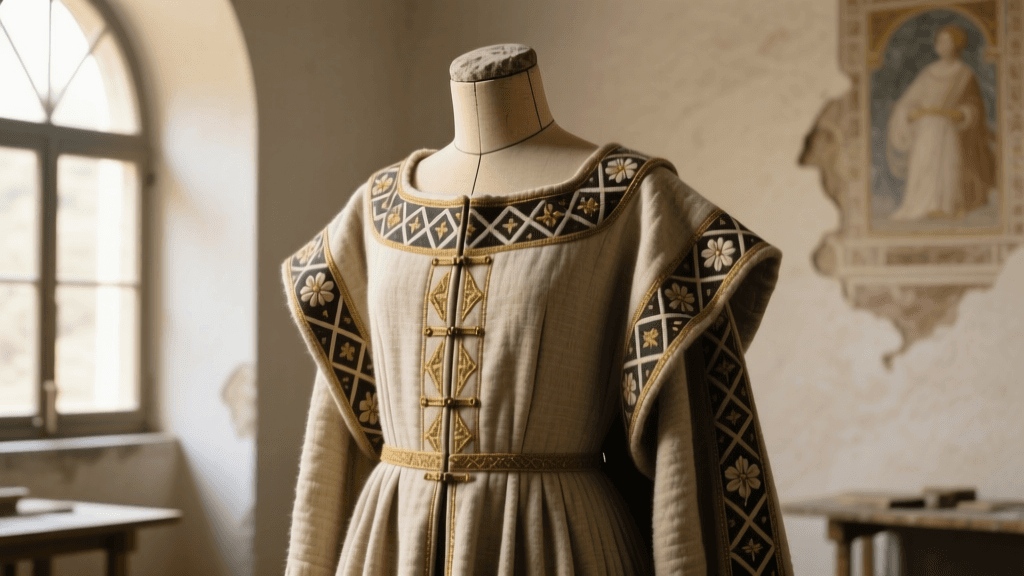
As we navigate the historical reenactment and European folk festival season of 2026, the demand for meticulously accurate regional garments has never been higher. Among the most celebrated and practical garments for makers is the Italian Renaissance gamurra. Worn primarily in the 15th century, the gamurra served as the foundational dress for working-class and middle-class women, while acting as a supportive under-layer beneath the lavish silk gowns of the nobility. Understanding its construction, textile requirements, and silhouette is essential for any serious student of European folk dress and historical tailoring.
Unlike the highly structured, boned garments of the later 16th century, the gamurra relies on the precise cut of the fabric and the tension of its lacing to shape the body. According to the Victoria and Albert Museum's Renaissance Collection, the transition from draped medieval garments to tailored, fitted clothing marks a pivotal moment in European textile history. The gamurra perfectly encapsulates this shift, featuring a fitted bodice that supports the bust and a full, pleated skirt that allows for ease of movement during daily labor or festival dancing.
Sourcing Historically Accurate Textiles in 2026
The success of your gamurra hinges entirely on the textiles you choose. Modern synthetic blends will not drape, breathe, or pleat like historical fibers. In 2026, the historical costuming community has unprecedented access to heritage mills and specialized vendors that produce period-accurate weaves.
Wools and Worsteds for the Bodice and Skirt
For the outer gamurra, medium-weight wool is the gold standard. You should look for a wool tabby or a lightweight wool melton, weighing between 8 and 12 ounces per yard. These fabrics provide the necessary structural integrity for the bodice while allowing the skirt to fall in deep, elegant folds. Avoid heavily fulled or thick coating wools, as they will add unnecessary bulk at the cartridge pleats and waistline. Heritage vendors like Wm. Booth Draper and Burnley & Trowbridge continue to dominate the 2026 market, offering historically dyed worsted wools in rich madder reds, weld yellows, and woad blues.
Linens for the Camicia
Beneath the gamurra, a woman would wear a camicia (chemise) made of pure linen. This layer protected the expensive wool or silk outer garments from body oils and sweat. For an authentic 2026 build, source a medium-weight linen (around 5.3 ounces) for the body of the camicia, and a lighter, handkerchief-weight linen for the gathered cuffs and neckline. Bleached white linen was a luxury, so working-class impressions often utilize unbleached, natural, or lightly oatmeal-colored linens.
2026 Pattern Drafts and Commercial Options
Drafting a fitted 15th-century bodice from scratch requires a solid understanding of historical pattern manipulation. Fortunately, several expert companies offer commercially available patterns and custom drafting services tailored to the modern maker. Below is a comparison of the top pattern resources available this year.
| Pattern Source | Era Focus | 2026 Price (USD) | Skill Level | Format |
|---|---|---|---|---|
| Reconstructing History | 14th-15th Century Italian | $28.00 | Intermediate | Multi-size Paper |
| Medieval Tailor (Custom) | 15th Century Working Class | $45.00 | Beginner to Advanced | Custom Digital Draft |
| Atelier Margo (Etsy) | Early Renaissance Gamurra | $22.00 | Intermediate | PDF Download |
| The Tudor Tailor | Late 15th to 16th Century | $35.00 | Advanced | Book & Grid Drafts |
For deeper historical context on Italian societal structures and how class dictated clothing laws (sumptuary laws) during this era, Britannica's Historical Overview of the Renaissance provides excellent background reading before you finalize your fabric choices and trims.
Construction Techniques: Seams, Pleats, and Lacing
Constructing a gamurra requires abandoning modern sewing habits in favor of historical hand-finishing and specific machine-assisted techniques that mimic period tailoring.
Bodice Bag-Lining and Seam Finishing
The bodice of the gamurra must be sturdy. In 2026, makers achieve this by interlining the outer wool with a layer of heavy linen canvas, and then bag-lining the entire bodice with a softer, medium-weight linen. This encloses all raw edges and provides a clean, durable interior. When sewing the side and back seams, use a tight backstitch for maximum tension resistance, and flat-fell the seams by hand to ensure the garment lies perfectly smooth against the body.
Cartridge Pleating the Skirt
The hallmark of the Renaissance gamurra is its incredibly full skirt attached to a fitted bodice via cartridge pleats. This technique gathers a massive amount of fabric into a small waistline without adding bulk to the stomach. To achieve this, use a heavy-duty upholstery thread or waxed linen thread to sew parallel rows of running stitches (usually spaced half an inch apart) along the top edge of the skirt. Pull the threads tightly to create accordion-like folds, then whip-stitch each individual pleat to the finished bottom edge of your lined bodice. This creates the iconic, rounded hip silhouette seen in period portraiture.
Front Lacing and Metal Rings
Unlike later garments that utilized hidden hooks or eyelets, the gamurra was typically laced through the front. While hand-bound eyelets are historically acceptable, many working-class garments utilized small metal rings sewn directly to the front edges of the bodice. When examining surviving tapestries and portraits, The Metropolitan Museum of Art's European Sculpture and Decorative Arts archives reveal the intricate criss-cross lacing patterns that were both functional and decorative. Use cast bronze or brass rings, securely whip-stitched to the wool edge, and lace with a sturdy, flat-woven linen or silk cord.
Accessorizing the Working-Class Silhouette
A gamurra is rarely worn alone. To complete your 2026 European folk dress impression, you must layer and accessorize appropriately for the Italian climate and your chosen social class.
- The Partlet: A sheer linen or silk organza partlet worn over the neck and shoulders fills in the square neckline of the gamurra, providing modesty and sun protection.
- The Apron: For working-class impressions, a gathered linen apron is essential. It protects the wool skirt and provides pockets for daily tasks.
- Hair and Headwear: Unmarried women might wear their hair in intricate, braided crowns, while married women typically bound their hair in a linen coif or a simple woven silk ribbon net (caul).
- Footwear: Leather turnshoes with a flat sole and a slightly pointed toe are the most accurate choice. Avoid modern heels or thick rubber soles, which ruin the historical posture and gait.
Budgeting Your 2026 Garment Project
Creating a historically accurate ensemble is an investment. For a complete, hand-finished gamurra and camicia ensemble in 2026, expect to budget between $180 and $350 for materials. This includes approximately $120 for high-quality heritage wool, $40 for medium-weight linen, and $30 for brass rings, silk thread, and lacing cord. While fast-fashion costume shops offer cheap, synthetic alternatives for under $50, these garments lack the breathability, durability, and historical integrity required for serious folk festivals and reenactment events. By investing in proper textiles and taking the time to master cartridge pleating and hand-bound lacing rings, you will create a garment that not only honors the textile traditions of the Italian Renaissance but will also last for decades of wear.