Zen Mindful Dressing: Kimono Kitsuke Meditation Retreats 2026
The Intersection of Zen Spirituality and Kitsuke
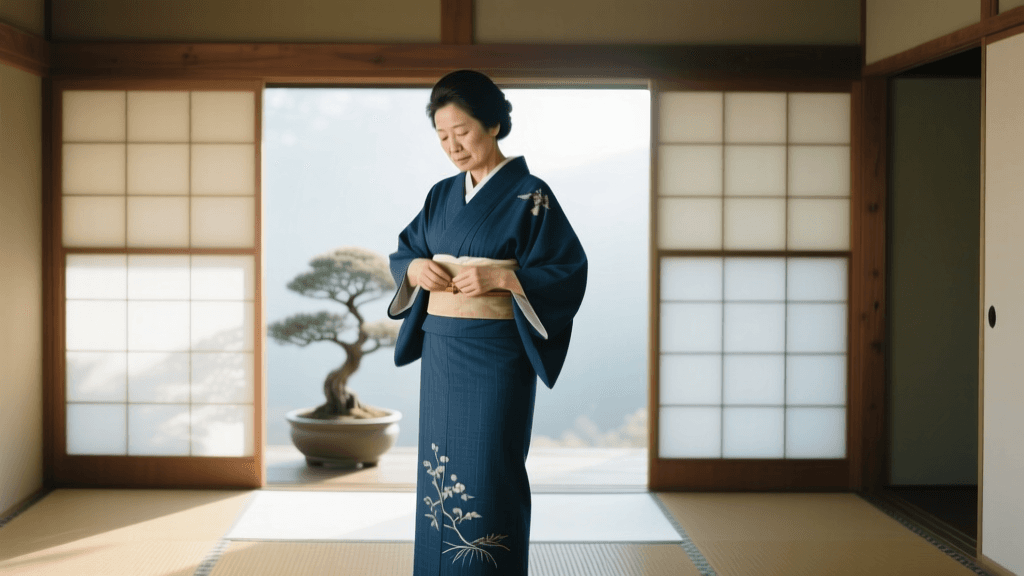
In the fast-paced digital landscape of 2026, the global wellness industry has seen a profound shift toward embodied, tactile practices. The intersection of traditional Asian garments and mental wellness has evolved from a niche interest into a cornerstone of holistic health. The art of kimono dressing, known as kitsuke, is no longer viewed merely as a sartorial necessity for festivals or tea ceremonies. Instead, it is increasingly embraced as a form of moving Zen meditation. Rooted in the Buddhist concept of samu—the practice of mindful, everyday work—kitsuke demands total presence. When you engage in mindful dressing, the act of wrapping, folding, and tying becomes a profound exercise in grounding.
According to the Victoria and Albert Museum, the kimono's iconic T-shaped, flat-cut structure requires the wearer to actively participate in creating the garment's final three-dimensional form. Unlike Western tailoring, which forces the fabric to conform to the body's curves, the kimono requires the body to adapt to the fabric. This subtle shift in agency transforms the morning routine into a deliberate, meditative ritual, forcing the wearer to slow down and engage with the physical space they occupy.
The Anatomy of Posture and Breath
To understand why kitsuke functions so effectively as a meditation tool, one must examine the physical relationship between the garment and the human anatomy. The foundational layers of the kimono, particularly the nagajuban (under-kimono) and the koshihimo (tying cords), provide continuous tactile feedback. This sensory input acts as an anchor for the wandering mind, much like focusing on the breath in seated zazen meditation.
Furthermore, the obi (the wide sash) physically restricts slouching. When tied correctly, the obi supports the lower back and forces the spine into natural alignment. In 2026, somatic therapists and wellness practitioners frequently note that this gentle physical restriction encourages deeper, more diaphragmatic breathing. The wearer cannot take shallow, anxious chest breaths when the core is gently but firmly bound. Instead, the breath is forced downward, promoting a state of parasympathetic nervous system activation. The Agency for Cultural Affairs, Japan has increasingly recognized the preservation of these intangible cultural practices not just as historical conservation, but as vital contributions to contemporary societal well-being and mental resilience.
Step-by-Step Mindful Kitsuke Practice
Transforming your dressing routine into a Zen practice requires intentionality. Here is a guide to approaching kitsuke as a moving meditation.
1. Centering and Posture (Shisei)
Before touching the silk, stand in front of a mirror with your feet shoulder-width apart. Close your eyes and take three deep, diaphragmatic breaths. This is the practice of shisei (posture and attitude). Acknowledge the garment as a partner in your practice, not merely an object to be worn. Feel the weight of your body pressing into the floor, establishing a physical root before you begin.
2. The Juban and Breath Awareness
As you slip on the hadajuban (undergarment) and nagajuban, focus entirely on the sensation of the fabric against your skin. Notice the temperature and texture of the textile. When you tie the first koshihimo beneath the bust, synchronize the tightening of the cord with your exhale. This ensures the tie is secure but allows your lungs to fully expand, marrying the physical constraint with respiratory freedom.
3. Wrapping the Kimono (Left over Right)
Drape the kimono over your shoulders. The act of bringing the left panel over the right is a sacred cultural norm. As you smooth the fabric down your body, use long, deliberate strokes. Visualize smoothing away mental clutter with each pass of your hands. Adjust the ohashori (the waist fold) with precision, treating the alignment of the fabric as a metaphor for aligning your scattered thoughts into a singular focus.
4. Tying the Obi as a Focal Point
The obi is the anchor of both the garment and the meditation. Whether you are tying a simple bunko knot or a formal o-taiko, the process requires complex spatial reasoning and physical dexterity. Focus entirely on the geometry of the folds. If your mind wanders to the day's anxieties, gently return your focus to the texture of the silk and the tension of the obijime (decorative cord).
2026 Wellness Retreats: Where to Practice Mindful Kitsuke
For those seeking immersive guidance, Japan offers specialized retreats that blend Zen instruction with traditional garment wearing. The Japan National Tourism Organization highlights the rise of these slow-travel wellness experiences, which cater to international visitors seeking authentic, transformative cultural engagement. Below is a comparison of premier mindful kitsuke programs available in 2026.
| Retreat / Program Name | Location | Primary Focus | Duration | 2026 Est. Cost (JPY) |
|---|---|---|---|---|
| Shunkoin Temple Zen & Garment Ritual | Kyoto | Zazen meditation combined with mindful morning dressing | 2 Days / 1 Night | ¥55,000 |
| Kamakura Mindful Silk Studio | Kanagawa | Sensory grounding and textile awareness | Half Day (4 Hours) | ¥18,500 |
| Kanazawa Artisan Weaver Retreat | Ishikawa | Understanding the spiritual energy of woven threads | 3 Days / 2 Nights | ¥88,000 |
| Tokyo Urban Sartorial Mindfulness | Tokyo (Omotesando) | Modern integration of kitsuke into corporate wellness | Weekend Workshop | ¥24,000 |
The Psychology of Restriction and Freedom
It may seem paradoxical that a garment known for its physical restrictions can induce a sense of spiritual freedom. However, in Zen philosophy, boundaries are often the very things that liberate the mind. When the physical body is held securely by the structured layers of the kimono, the mind is relieved of the micro-decisions of physical slouching and fidgeting. The garment holds you, allowing your internal energy to settle.
This concept of "sartorial containment" mirrors the historical evolution of the garment. During the Edo period, as the obi grew wider and more restrictive, the aesthetic philosophy of shibui (subtle, unobtrusive beauty) became more pronounced. The external restraint forced an internal cultivation of grace. In 2026, this concept is being heavily researched in the context of anxiety management. The predictable, heavy drape of high-quality silk provides a form of deep pressure stimulation, similar to a weighted blanket, which has been shown to lower cortisol levels and promote a state of calm alertness.
Integrating Mindful Dressing at Home
You do not need to travel to Japan or own a priceless antique silk kimono to experience the benefits of mindful kitsuke. In 2026, many practitioners utilize modern, washable cotton yukata or lightweight linen kimono for daily home practice. The key is not the monetary value of the textile, but the reverence brought to the action.
Dedicate fifteen minutes each morning to dress without the distraction of digital devices. Lay out your garments the night before—a practice known as junbi (preparation)—folding them with intention. The closing meditation of the day is equally important: the act of removing the garment and performing tato- folding (the traditional flat-folding method) allows you to physically fold away the events of the day, returning the textile, and your mind, to a state of blank neutrality. By treating the act of getting dressed and undressed as sacred rituals, you bridge the gap between ancient Asian traditions and modern mental wellness, carrying the quiet stillness of the kimono with you long after you leave your home.