Top Kyoto Yuzen Silk Dyeing Workshops 2026: Maker Guide
The Renaissance of Kimono Silk Dyeing in 2026
As we navigate the 2026 global maker movement, there has been a profound resurgence in the appreciation and creation of traditional Asian garments. Artisans and hobbyists alike are moving away from fast fashion, seeking instead to master the heritage techniques that have defined East Asian textiles for centuries. At the forefront of this movement is the art of kimono silk dyeing, specifically the intricate practices of Kyo-Yuzen and Shibori. According to recent cultural exhibitions highlighted by the Victoria and Albert Museum, the kimono is not merely a historical artifact but a dynamic, evolving garment that continues to inspire contemporary fashion and textile artists worldwide.
For those looking to transition from admirers to creators, 2026 offers an unprecedented array of workshops and seminars. Whether you are traveling to the historic dyeing districts of Kyoto or participating in high-definition virtual seminars from your home studio, learning to manipulate silk with resist pastes and natural dyes has never been more accessible. This guide will walk you through the top workshops, essential materials, and practical advice for mastering traditional Japanese silk dyeing this year.
Understanding the Core Techniques: Yuzen and Shibori
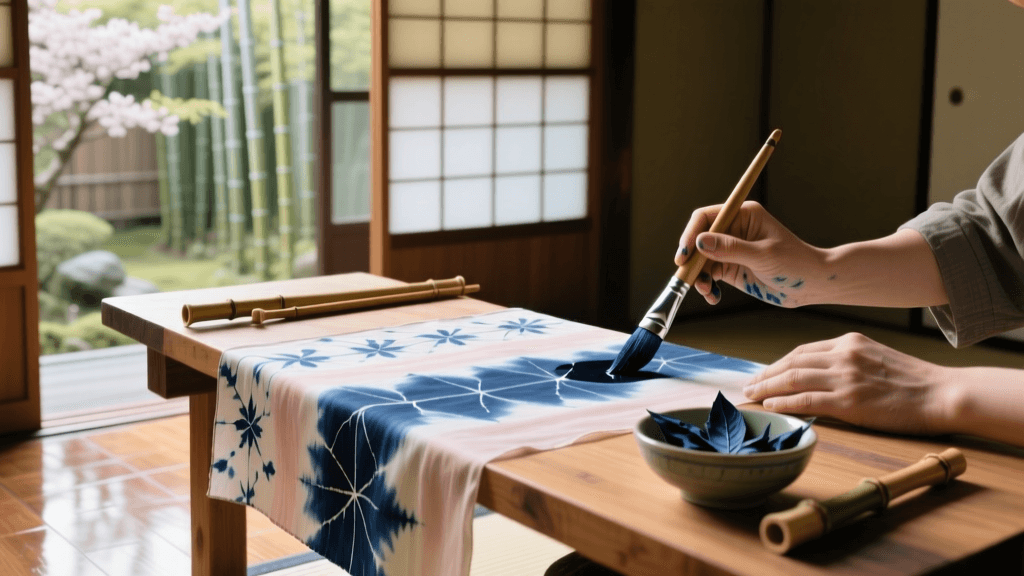
Before booking a seminar, it is crucial to understand the two primary dyeing techniques taught in Kyoto workshops. Kyo-Yuzen is a paste-resist dyeing method that allows for highly detailed, painterly designs. Artisans use a cone filled with itome nori (a thick rice-bran paste) to draw fine outlines on stretched silk. Once the paste dries, it acts as a barrier, preventing dyes from bleeding into adjacent areas. This technique is responsible for the vibrant, pictorial motifs seen on formal furisode and high-end obi.
Shibori, on the other hand, is a shaped-resist technique that relies on folding, twisting, binding, and compressing the fabric before dyeing. The UNESCO Intangible Cultural Heritage lists recognize the immense skill required in traditional Japanese silk production, and Shibori is a cornerstone of this heritage. Unlike the precise control of Yuzen, Shibori embraces organic, textured patterns, with variations like Kanoko (fawn-spot binding) and Arashi (pole-wrapping) creating stunning, three-dimensional effects on the silk.
Top In-Person Kyoto Workshops for the 2026 Season
Marumasu-Nishimuraya: Mastering Kyo-Yuzen
Located in the heart of Kyoto, Marumasu-Nishimuraya has been a pillar of Yuzen dyeing for over a century. For the 2026 spring and autumn cohorts, they have restructured their seminars to accommodate both absolute beginners and advanced textile artists. Their signature half-day introductory workshop (priced at ¥18,500 for 2026) guides students through the process of creating a hand-painted silk furoshiki (wrapping cloth). You will learn to apply the resist paste using traditional deer-hair brushes and hand-paint botanical motifs using specialized soy-based dyes.
For serious garment makers, their intensive 5-day Obi-Making Seminar (¥145,000) is the crown jewel of their 2026 syllabus. This immersive course covers the entire lifecycle of a Maru-obi, from stretching the raw Tango chirimen silk on bamboo frames to the final steam-setting and gold-leaf application. Classes are kept strictly to four students to ensure master artisans can provide personalized guidance.
Kyoto Shibori Museum: The Art of Resist Binding
While technically a museum, the Kyoto Shibori Museum operates one of the most comprehensive hands-on seminar programs in Japan. Their 2026 schedule focuses heavily on sustainable, plant-based dyeing. The weekend intensive (¥32,000) teaches the Miura and Kumo (spiderweb) binding techniques. Students bind pre-woven silk crepe and submerge it in vats of fermented Japanese indigo (Aizen) and persimmon tannin (Kakishibu). The physical nature of Shibori makes in-person instruction invaluable, as the tension applied to the binding threads directly dictates the final pattern.
Virtual and Hybrid Seminars for Global Artisans
Not everyone can secure a visa and travel to Japan in 2026. Fortunately, the digital infrastructure for traditional craft education has matured significantly. Several Kyoto-based cooperatives now offer hybrid seminars. In these programs, a comprehensive physical kit—including pre-stretched silk, specialized norizoki paste, and concentrated reactive dyes—is shipped internationally to your studio.
You then join live, multi-camera studio sessions via dedicated crafting platforms. These virtual seminars are highly interactive; instructors use overhead macro-lenses to demonstrate the exact viscosity required for the resist paste and the precise brush angles for shading (bokashi). Virtual tuition for a 4-week Yuzen fundamentals course averages around $350 USD, excluding the $85 shipping fee for the raw silk kit. This hybrid model has democratized access to heritage Asian garment-making techniques, allowing a global community of makers to participate in real-time.
Essential Tools and Materials for the Modern Dyer
Whether you are attending an in-person seminar or setting up a home studio based on virtual instruction, understanding your materials is critical. The 2026 market for traditional dyeing supplies is robust, with several specialty exporters shipping globally.
- Tango Chirimen Silk: A heavyweight silk crepe that is the industry standard for Yuzen. Its textured surface absorbs dye beautifully and hides minor imperfections in the resist lines.
- Itome Nori (Resist Paste): Traditionally made from sweet rice flour and rice bran. In 2026, many workshops use a stabilized, vacuum-sealed version that prevents fermentation during international shipping.
- Sashi-bake Brushes: Specialized deer-hair brushes used for applying dye. The hollow hairs hold a massive amount of liquid, allowing for smooth, continuous gradients.
- Ji-bake (Ground Brushes): Wide, flat brushes made of goat or horsehair used to lay down broad, even washes of background color.
- Shinshi (Stretching Needles): Bamboo sticks with tiny metal pins at the ends, used to keep the silk taut and prevent it from touching the work surface while the dye dries.
2026 Workshop Comparison Chart
| Workshop Type | Format | Estimated 2026 Cost | Best For | Time Commitment |
|---|---|---|---|---|
| Introductory Yuzen | In-Person (Kyoto) | ¥18,500 ($125 USD) | Beginners, Tourists | Half-Day (3 Hours) |
| Advanced Obi Seminar | In-Person (Kyoto) | ¥145,000 ($980 USD) | Professional Makers | 5 Full Days |
| Shibori Intensive | In-Person (Kyoto) | ¥32,000 ($215 USD) | Textile Sculptors | 2 Days (Weekend) |
| Virtual Yuzen Fundamentals | Hybrid (Kit + Live) | $350 USD + Shipping | Global Home Studios | 4 Weeks (2 hrs/week) |
How to Prepare and Book Your 2026 Seminar
Securing a spot in Kyoto's premier dyeing workshops requires foresight. According to the official Kyoto City Tourism Association, cultural workshops are among the most booked experiences in the city. For the highly sought-after 5-day Obi seminars, registration typically opens six months in advance and fills within 48 hours. It is highly recommended to subscribe to the newsletters of specific studios in late 2025 to receive early-bird booking links.
Language can be a barrier, but the 2026 landscape is highly accommodating. Most major studios now employ bilingual assistants or provide tablet-based real-time translation devices. However, familiarizing yourself with basic Japanese textile terminology—such as norizoki (applying paste) and irosashi (coloring)—will greatly enhance your rapport with the master artisans. Finally, ensure your physical workspace at home is prepared if taking a hybrid course; Yuzen dyeing requires a well-ventilated area for steaming the silk to set the dyes, and a large, flat table for stretching the bamboo frames.
By investing time in these traditional Asian garment-making workshops, you are not just learning a craft; you are participating in the living preservation of a centuries-old artistic lineage. Whether you are painting delicate cherry blossoms with a deer-hair brush or tightly binding silk for an indigo bath, the skills acquired in 2026 will inform your textile artistry for a lifetime.