Top Kimono Tailoring & Yuzen Dyeing Workshops 2026 Guide
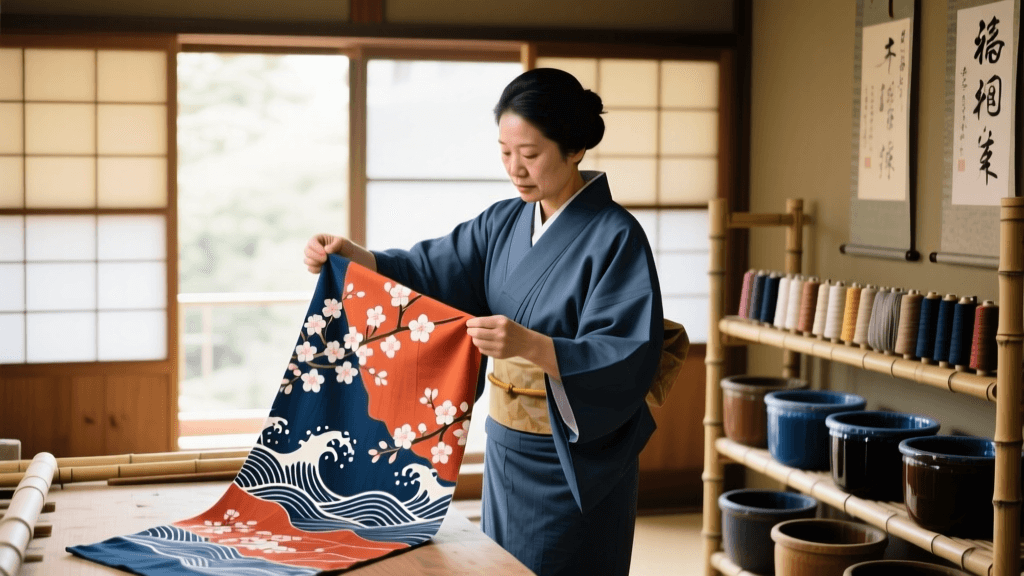
The Renaissance of Wasai: Why Learn Kimono Making in 2026?
The global slow fashion movement has reached a pivotal moment in 2026, driving a massive resurgence in interest toward traditional, zero-waste garment construction. At the forefront of this renaissance is wasai (traditional Japanese sewing) and the intricate art of Yuzen dyeing. Unlike Western tailoring, which relies on complex curved patterns and fabric cutting that generates significant waste, kimono tailoring utilizes straight-line geometry derived from a single bolt of fabric known as a tanmono. According to the Victoria and Albert Museum's comprehensive guide on kimono construction, the garment's genius lies in its modularity and sustainability—principles that resonate deeply with today's eco-conscious artisans and designers.
For those looking to master these ancient techniques, 2026 offers an unprecedented array of workshops and seminars. Whether you are seeking an immersive, in-person masterclass in the historic weaving districts of Kyoto or a hybrid virtual seminar that allows you to learn from home, the educational landscape for traditional Asian garment making has never been more accessible. The Japanese Ministry of Economy, Trade and Industry (METI) continues to heavily subsidize these educational initiatives in 2026 to preserve intangible cultural heritage, as noted in their official traditional crafts preservation report.
Top In-Person Yuzen Dyeing & Tailoring Seminars in Kyoto
Kyoto remains the undisputed epicenter of traditional Japanese textile arts. In 2026, several prestigious institutions and historic ateliers have opened their doors to international students, offering English-translated seminars that bridge the gap between ancient craftsmanship and modern learners.
1. Marumasu-Nishimuraya Yuzen Masterclass
Located in the heart of Kyoto, Marumasu-Nishimuraya is a historic dyeing house that has adapted its traditional apprenticeship model into a structured, 5-day intensive seminar for international students. The 2026 curriculum focuses heavily on Kyo-Yuzen, the exquisite resist-dyeing technique originating in the 17th century. Students learn the meticulous process of itome-nori (applying rice paste resist to outline designs) and iro-sashi (brushing vibrant dyes within the resist borders). The seminar culminates in the creation of a fully dyed, bespoke silk kimono panel that students can take home.
2. Kyoto Traditional Arts Seminar Series: Wasai Fundamentals
Hosted in collaboration with local cultural preservation societies, this 2-week seminar is strictly dedicated to the physical construction of the kimono. Students are taught how to properly measure, mark, and stitch a standard women's kimono using traditional unspun silk thread. The instructors emphasize the importance of shitsuke (basting stitches) and the use of the kote (traditional charcoal iron) to press seams flat without damaging delicate silk fibers.
Virtual & Hybrid Wasai Workshops for Global Artisans
For those unable to travel to Japan, 2026 has seen a massive upgrade in virtual learning platforms dedicated to Asian traditional garments. The Global Wasai Virtual Institute offers live-streamed, interactive seminars where students receive a physical tanmono kit in the mail prior to the first class. Using multi-angle 4K cameras, master tailors demonstrate the precise tension required for the hon-nui (final stitching) technique. These hybrid models have democratized access to traditional garment making, allowing students from Europe, the Americas, and across Asia to participate in real-time Q&A sessions with Kyoto-based artisans.
2026 Workshop Comparison Chart
To help you choose the right educational path, we have compiled a comparison of the most highly rated kimono making and Yuzen dyeing workshops available in 2026.
| Workshop Name | Location | Duration | 2026 Cost (USD) | Primary Focus |
|---|---|---|---|---|
| Marumasu-Nishimuraya Intensive | Kyoto, Japan | 5 Days | $680 | Kyo-Yuzen Resist Dyeing |
| Kyoto Traditional Arts Wasai | Kyoto, Japan | 14 Days | $1,450 | Full Kimono Tailoring |
| Global Wasai Virtual Institute | Online (Hybrid Kit) | 8 Weeks | $520 | Virtual Stitching & Fitting |
| Tokyo Tanmono Upcycling Lab | Tokyo, Japan | 3 Days | $390 | Vintage Silk Restoration |
The 2026 Curriculum: What to Expect Day-by-Day
If you enroll in a standard 5-day in-person tailoring seminar, the daily progression is designed to build muscle memory and respect for the materials. Here is a breakdown of a typical 2026 intensive syllabus:
- Day 1: Fabric Inspection and Marking. Students learn to inspect vintage and modern chirimen (silk crepe) for flaws. Using a sumi (ink brush) and a specialized bamboo ruler, you will map out the geometric panels (sleeves, body, collar, and overlapping front panels) directly onto the fabric.
- Day 2: Cutting and Basting. Unlike Western sewing, cutting is done with extreme precision using heavy fabric shears along the drawn lines. The afternoon is dedicated to shitsuke, the long basting stitches that hold the garment together for the initial fitting.
- Day 3: The Fitting and Adjustments. Kimono are not tailored to the body's curves; they are tailored to the wearer's height and shoulder width. Students learn how to adjust the ohashori (the fold at the waist) to ensure the garment falls perfectly at the ankle.
- Day 4: Final Stitching (Hon-nui). The basting threads are carefully removed as students execute the final, nearly invisible running stitches. The focus here is on maintaining exact tension so the silk does not pucker.
- Day 5: Pressing and Dressing. The final day covers the use of the yuzen-dai (stretching frame) and traditional pressing techniques. The seminar concludes with a professional kitsuke (dressing) lesson, teaching you how to tie the obi and properly fold the kimono for storage.
Essential Toolkit: What You Need for Your First Seminar
While most in-person workshops in Kyoto provide tools, virtual students and those practicing at home will need to acquire a traditional wasai toolkit. In 2026, authentic tools are easier to source online than ever before. Ensure you have the following:
- Shaku (Traditional Ruler): A bamboo ruler measuring approximately 37.9 cm. Kimono dimensions are still calculated using the traditional shaku system, not metric or imperial.
- Hera (Bamboo Spatula): Used for creasing fabric, turning corners, and marking fold lines without leaving ink stains on delicate silk.
- Kote (Traditional Iron): Modern seminars often allow electric irons, but learning to use a traditional charcoal kote teaches you the precise heat control required for vintage silks that scorch easily.
- Shitsuke-ito (Basting Thread): A soft, loosely spun cotton thread that breaks easily, ensuring it does not damage the main silk fabric when removed.
- Kakehari (Tension Peg): A wooden peg used to anchor the fabric to your sewing cushion, providing the necessary tension for straight, even stitching.
Sourcing Authentic Tanmono in 2026
A critical skill taught in advanced 2026 seminars is sourcing authentic tanmono. With the rise of high-quality polyester blends mimicking silk crepe, students are taught the 'burn test' and the 'sound test' (authentic chirimen produces a distinct, crisp rustling sound known as kinu-nari). Many Kyoto workshops now include a guided field trip to the Nishijin Textile Center, where students can purchase directly from master weavers, ensuring their materials support the living heritage of the region.
How to Prepare for a Traditional Garment Seminar
Before attending your first kimono making or Yuzen dyeing workshop, it is highly recommended to practice basic hand-stitching. The traditional Japanese running stitch (namishui) requires a specific rhythm and posture. Sit on a zabuton (floor cushion) at a low table, as this posture aligns the spine and allows for the long, sweeping arm movements required to pull unspun silk thread through multiple layers of fabric. Furthermore, familiarize yourself with basic Japanese textile terminology; knowing the difference between the okumi (front overlap panel) and the sode (sleeve) will significantly accelerate your learning curve during the fast-paced 2026 intensive courses.
By investing time in these specialized workshops, you are not merely learning to sew; you are participating in the active preservation of one of Asia's most profound sartorial traditions, ensuring that the artistry of the kimono continues to thrive in the modern era.