Hanfu for Life Milestones: 2026 Rites and Ceremonies Guide
The Resurgence of Hanfu in Modern Milestones
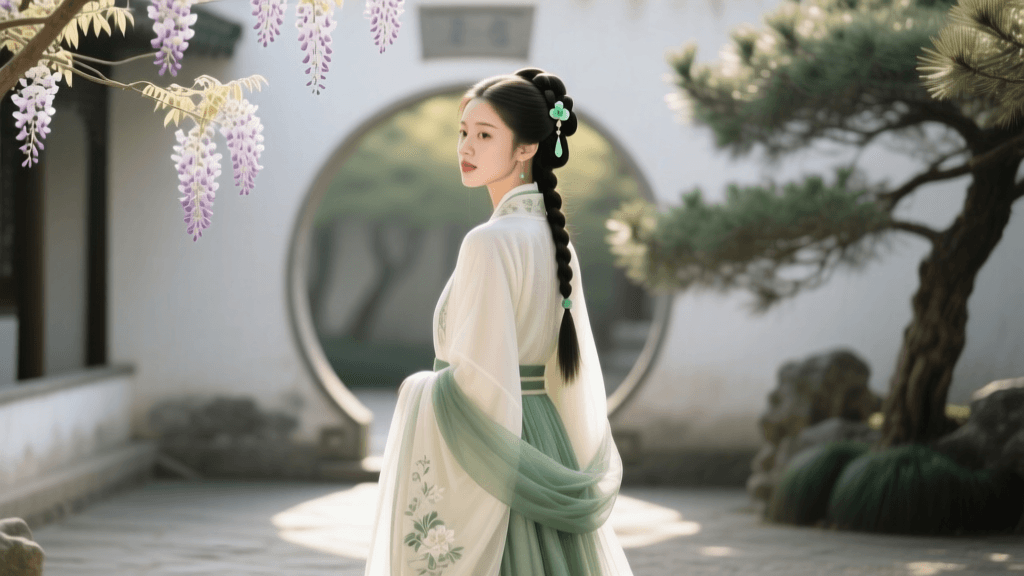
The year 2026 marks a pivotal moment in the evolution of traditional Chinese clothing. What began as a niche historical appreciation society movement two decades ago has fully matured into a mainstream cultural pillar. Today, Hanfu is no longer just worn for casual street fashion or photography; it has become the definitive sartorial choice for major life milestones. From coming-of-age ceremonies to elaborate traditional weddings, families and young adults across the globe are investing in historically accurate, bespoke garments to honor their heritage.
Unlike the broader Xin Zhongshi (新中式) movement, which blends modern silhouettes with traditional motifs for everyday wear, ceremonial Hanfu demands strict adherence to historical tailoring principles. The traditional flat-pattern cutting method, known as shizi caijian (cross-shaped cutting), remains the gold standard in 2026 for achieving the authentic, flowing drape that defines ancient Chinese aesthetics. This guide explores the intricate details of selecting, sourcing, and styling Hanfu for the most significant rites of passage in Chinese culture.
The Ji Li Ceremony: A Woman’s Coming of Age
The Ji Li (笄礼), or hairpinning ceremony, is the traditional coming-of-age rite for young women, typically performed around the age of twenty. In 2026, cultural revivalists have standardized a three-stage garment change that mirrors the historical practices of the Song and Ming dynasties, symbolizing the transition from childhood to womanhood.
The Three Stages of Attire
- First Addition (Childhood to Youth): The initiate begins in a simple, unadorned Shenyi (deep robe) or a modest Song dynasty Beizi (long jacket) paired with a pleated skirt. The hair is worn down or in simple twin braids. Fabrics are typically lightweight cotton or plain-weave linen in soft, muted tones like celadon or pale ivory.
- Second Addition (Youth to Adulthood): The hair is gathered and secured with a simple wooden or jade hairpin. The garment changes into a more structured Tang or Song dynasty Aoqun (jacket and skirt). The colors become richer—perhaps a deep plum or indigo—and the fabric upgrades to a subtle damask or jacquard weave.
- Third Addition (Full Adulthood): The final stage features the addition of an ornate Ji (hairpin) and a Guan (crown or formal headpiece). The initiate dons a formal Ming dynasty Mamianqun (horse-face skirt) paired with a heavily embroidered Pi Feng (cloak) or formal Ao (jacket). The silhouette is commanding, utilizing heavy silk brocades that hold their shape while allowing the sleeves to drape elegantly past the fingertips.
For 2026 ceremonies, it is highly recommended to source Xiangyunsha (gambiered Canton gauze) for the summer months. This intangible heritage fabric, dyed with river mud and薯莨 (薯莨) juice, offers a crisp, rustling drape that is both historically revered and highly breathable.
The Guan Li Ceremony: A Man’s Rite of Passage
The male equivalent of the coming-of-age rite is the Guan Li (冠礼), or capping ceremony. Historically performed at age twenty, this rite confers adult responsibilities and societal respect. The Metropolitan Museum of Art notes that the structural integrity of Chinese menswear has long been tied to Confucian ideals of rectitude and moral uprightness, a philosophy deeply embedded in the stiff collars and structured lapels of Ming dynasty scholar robes.
Garment Progression for Men
Similar to the Ji Li, the Guan Li involves three distinct cappings and corresponding garment changes:
- Initial Capping: A simple black Futou or cloth cap is placed on the head. The wearer dons a plain, dark-colored Shenyi (deep robe) with a wide leather belt. This represents the foundational virtues of a scholar.
- Second Capping: A more formal cap, such as a Pubian, is added. The robe changes to a Lanshan (scholar's robe) with a black silk belt. The fabric is typically a high-quality, heavy crepe or wool-blend damask, suitable for projecting academic seriousness.
- Final Capping: The ultimate symbol of adulthood is the placement of a formal Guan (ceremonial cap). The final garment is a magnificent Ming dynasty Daopao (Taoist robe, adapted for secular scholar wear) or a formal Yisan. These garments feature dramatic, swinging side pleats and wide, sweeping sleeves. In 2026, bespoke tailors are utilizing 3D body scanning to ensure the shoulder seams sit perfectly, while maintaining the traditional zero-waste, straight-grain cutting of the sleeves.
Hanfu Weddings: Blending Antiquity with 2026 Trends
Traditional Chinese weddings have seen a massive shift toward historical accuracy. While the Qing dynasty Qungua and Xiuhefu remain popular in certain regions, the 2026 trend heavily favors the opulent Ming dynasty wedding aesthetic. The cornerstone of this look is the Fengguan Xiapei (phoenix crown and cloud cape) ensemble.
According to historical records detailed in studies of Traditional Chinese weddings, the Ming dynasty granted commoners the rare privilege of wearing noble-style attire on their wedding day. This historical loophole is the reason why the elaborate phoenix crowns and蟒 (mang) dragon-patterned robes are considered the ultimate bridal standard today.
The Bridal Ensemble
A complete 2026 Ming bridal set is a masterpiece of textile engineering. The bride wears a red Daoshan (long jacket) adorned with woven gold Zhuanghua motifs, featuring auspicious symbols like peonies, phoenixes, and clouds. Over this, she drapes the Xiapei, a heavy, embroidered stole that hangs from the shoulders and is weighted at the bottom with jade or gold pendants to ensure it hangs perfectly straight during the bowing rituals.
The groom typically wears a dark blue or black Yuanlingpao (round-collar robe) with a rank badge (Buzi) featuring a silver pheasant or qilin, paired with a black official's hat with wings. The contrast between the groom's dark, structured robe and the bride's vibrant, voluminous red jacket creates a visually stunning balance that photographs beautifully in both natural light and modern studio settings.
Sourcing and Tailoring: 2026 Market Guide
Acquiring authentic ceremonial Hanfu requires patience and a significant budget. The market in 2026 is divided between high-end heritage studios in Suzhou and Hangzhou, and mid-tier bespoke tailors who utilize digital jacquard looms. Below is a comparative guide to help you plan your milestone investments.
| Ceremony Type | Recommended Dynasty Style | Key Garments | 2026 Avg Custom Cost (USD) | Tailoring Lead Time |
|---|---|---|---|---|
| Ji Li (Female Coming of Age) | Song / Ming Hybrid | Beizi, Aoqun, Mamianqun | $800 - $1,500 | 6 - 8 Weeks |
| Guan Li (Male Coming of Age) | Ming Scholar | Shenyi, Daopao, Lanshan | $900 - $1,800 | 8 - 10 Weeks |
| Traditional Wedding (Bride) | Ming Formal | Daoshan, Xiapei, Fengguan | $2,500 - $6,000+ | 4 - 6 Months |
| Traditional Wedding (Groom) | Ming Official | Yuanlingpao, Buzi, Guan | $1,200 - $2,500 | 3 - 4 Months |
Pro Tip for 2026: When commissioning a wedding Fengguan (phoenix crown), ensure the artisan uses traditional kingfisher feather-blue silk thread embroidery (a cruelty-free modern alternative to actual kingfisher feathers, known as dianchou). Authentic metallic thread wrapping and pearl stringing can add up to eight weeks to the production timeline.
Etiquette and Styling Rules for Ceremonial Hanfu
Wearing Hanfu for a milestone event is not merely about putting on clothes; it is about embodying the礼仪 (etiquette) of the ancients. Improper styling can inadvertently convey disrespect or mourning. To ensure your 2026 ceremony is flawless, adhere to these non-negotiable rules:
The Left-Over-Right Rule (Jiaoling Youren)
The most critical rule of Hanfu is Jiaoling Youren (交领右衽). The left lapel must always cross over the right lapel, forming a 'y' shape at the collar. The right lapel crossing over the left is strictly reserved for the deceased in traditional Chinese burial rites. Always double-check this before stepping out for photographs or ceremonies.
Sleeve Length and Posture
Ceremonial Hanfu sleeves are designed to extend past the fingertips, often reaching the knees when the arms are relaxed. This requires a specific posture and hand gestures. When greeting elders or performing the Kowtow (deep bow), the hands should be clasped together in front of the abdomen, concealed entirely within the wide sleeves. This creates a smooth, unbroken line across the torso, symbolizing inner harmony and respect.
Footwear and Accessories
Modern shoes will instantly break the illusion of a traditional ceremony. In 2026, the standard for ceremonial footwear is the Yunlu Xie (cloud-head shoes) for women, featuring an upturned toe and embroidered silk uppers, and black cloth Xuezi (boots) with white soles for men. Ensure your socks are opaque and reach above the ankle, as the hem of the skirt or robe will shift during bowing, and bare skin is considered inappropriate in formal ancient contexts.
By respecting these historical nuances and investing in high-quality, accurately tailored garments, your life milestones will be deeply anchored in the rich, continuous tapestry of Asian traditions.