Ceremonial vs Everyday Kimono: 2026 Styling Guide
The Evolution of Japanese Dress in 2026
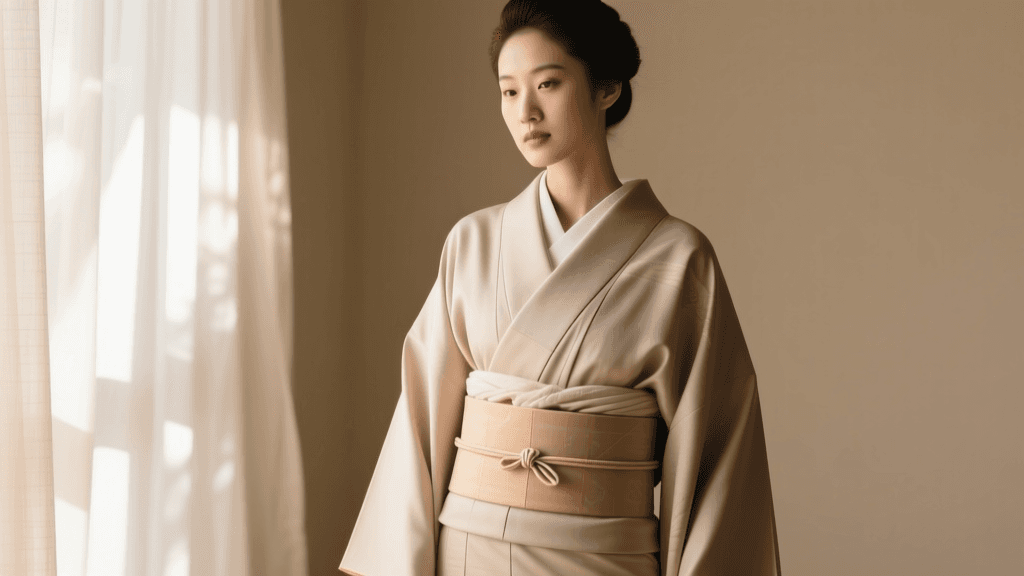
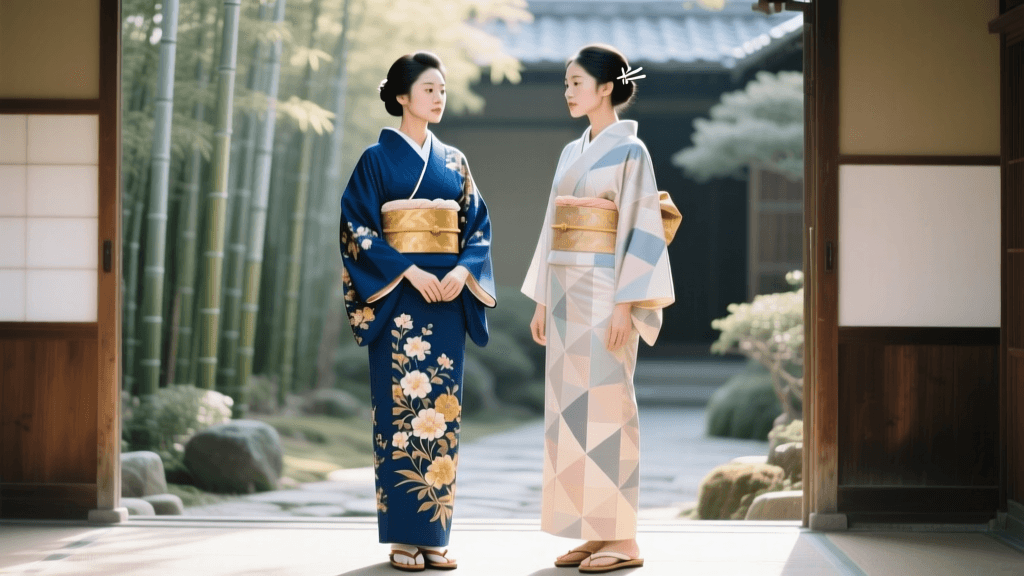
The Japanese kimono is globally recognized as a masterclass in textile art, silhouette, and cultural symbolism. However, a common misconception among international enthusiasts and newcomers is that all kimono are highly formal, restrictive garments reserved exclusively for weddings, tea ceremonies, or coming-of-age festivals. In reality, the kimono wardrobe is strictly stratified by formality. As we navigate the fashion landscape of 2026, the dichotomy between ceremonial and everyday kimono has never been more relevant, especially with the booming sustainable fashion movement and the modern 'Wa-Modern' aesthetic bringing daily kimono wear back to the streets of Tokyo, Kyoto, and global metropolitan hubs.
According to historical archives and textile experts at the Metropolitan Museum of Art, the evolution of Japanese costume has always balanced strict courtly regulations with the practical needs of daily life. Today, understanding the difference between a ceremonial Furisode or Tomesode and an everyday Komon or Yukata is essential for anyone looking to build an authentic, functional, and respectful kimono wardrobe in 2026.
The Ceremonial Standard: Furisode and Tomesode
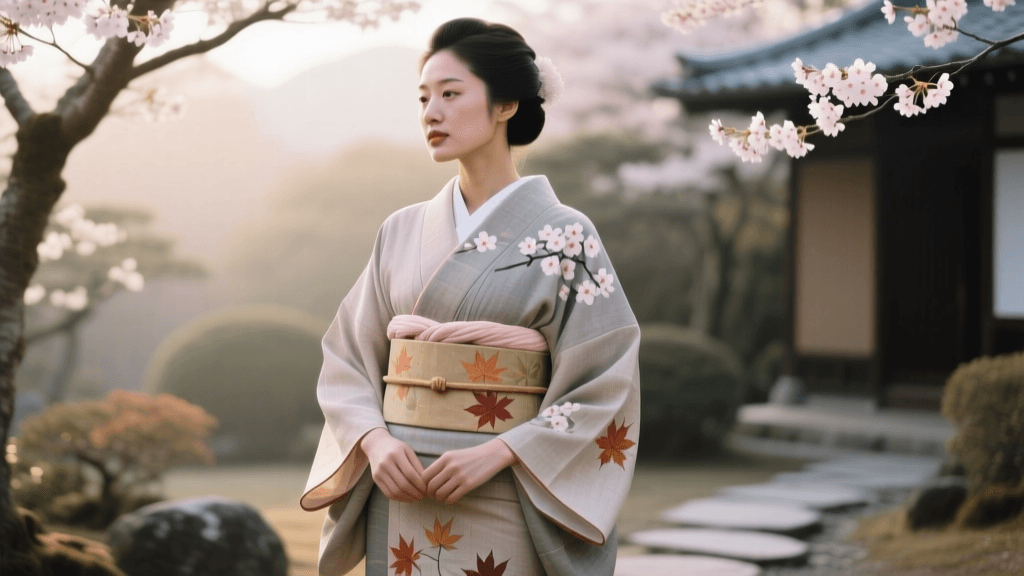
Ceremonial kimono represent the pinnacle of Japanese textile craftsmanship. These garments are worn for life's most significant milestones: weddings, formal tea gatherings, and the Seijin-no-Hi (Coming of Age Day). The two most prominent types of formal wear are the Furisode (worn by unmarried women) and the Tomesode (worn by married women).
Fabric and Construction
Ceremonial kimono are almost exclusively crafted from high-grade, heavy silk, particularly Tango chirimen (a type of silk crepe from the Kyoto region). The dyeing process often involves Yuzen, a painstaking resist-dyeing technique where artisans hand-paint intricate motifs of cranes, pine trees, or seasonal flowers. In 2026, master-dyed Yuzen Furisode remain highly sought after, with artisan waitlists stretching months in advance.
- Sleeve Length: Furisode feature dramatically long, swinging sleeves that can measure up to 114 centimeters in length, symbolizing youth and warding off evil spirits.
- Patterns: Tomesode feature patterns only below the waistline, often incorporating five family crests (kamon) for the highest level of formality (Kurotomesode).
- The Obi: Ceremonial kimono require a Fukuro obi or Maru obi—a heavily brocaded, stiff, and luxurious sash woven with gold or silver threads, often costing as much as the kimono itself.
Cost and Investment in 2026
Investing in a brand-new, custom-tailored ceremonial kimono in 2026 is a major financial commitment. A high-quality Furisode ensemble, including the silk kimono, brocade obi, undergarments (juuban), and formal accessories, typically ranges from $3,500 to over $12,000 USD. Because of this, the vast majority of Japanese women rent their Furisode for Coming of Age Day or weddings, utilizing specialized rental boutiques that offer 2026's trending color palettes, such as deep jewel tones and muted pastels.
The Everyday Renaissance: Komon and Yukata
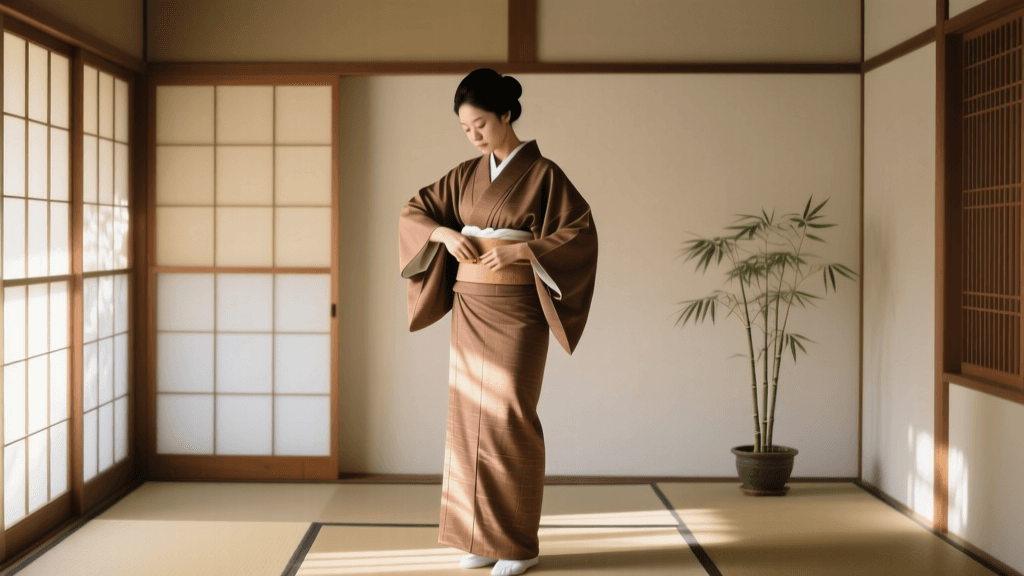
While ceremonial wear commands respect, the everyday kimono is the workhorse of traditional Japanese fashion. The Komon (informal silk or synthetic kimono with repeating patterns) and the Yukata (unlined summer cotton kimono) are designed for movement, comfort, and personal expression. In 2026, the everyday kimono is experiencing a massive renaissance, championed by younger generations who view it as a sustainable, expressive alternative to fast fashion.
Fabric and Practicality
Modern everyday kimono prioritize ease of care. While vintage Komon are often made of silk, the 2026 market is dominated by washable silks, high-grade polyesters (like Toray's advanced textile blends), and linen-cotton mixes. These fabrics mimic the drape and texture of traditional silk but can withstand the rigors of daily wear, commuting, and unexpected weather.
- Sleeve Length: Standard short sleeves (around 49 centimeters) that do not impede movement or drag on the ground.
- Patterns: Komon feature small, repeating geometric or floral motifs across the entire garment, making them highly versatile for mixing and matching.
- The Obi: Everyday wear utilizes a Nagoya obi (a pre-folded, easier-to-tie sash) or a Hanhaba obi (a narrow, casual sash often worn with Yukata).
Cost and Accessibility
The barrier to entry for everyday kimono is remarkably low. A beautiful, brand-new polyester Komon can be purchased for $80 to $200 USD, while a high-quality cotton Yukata ranges from $40 to $120 USD. Furthermore, the thriving vintage market allows enthusiasts to acquire stunning, mid-century silk Komon for as little as $30 to $60 USD, aligning perfectly with the 2026 ethos of circular and upcycled fashion.
2026 Comparison Chart: Ceremonial vs. Everyday
| Feature | Ceremonial (Furisode / Tomesode) | Everyday (Komon / Yukata) |
|---|---|---|
| Formality Level | Highest (Weddings, Galas, Coming of Age) | Low to Medium (Cafes, Theater, Strolls, Festivals) |
| Primary Fabric | Heavy Silk (Tango Chirimen), Brocade | Washable Silk, Cotton, Linen, Polyester |
| Obi Type | Fukuro Obi or Maru Obi (Stiff, Brocaded) | Nagoya Obi or Hanhaba Obi (Soft, Flexible) |
| Footwear | Zori (Woven or Vinyl) with White Tabi Socks | Geta (Wooden), Setta (Leather), or Lace Tabi |
| Estimated Cost (2026) | $3,500 - $12,000+ USD (Full Ensemble) | $40 - $250 USD (Full Ensemble) |
| Maintenance | Professional Maru-arai (Full Wash) Required | Home Machine Wash or Hand Wash |
Modern Styling Trends for Everyday Kimono in 2026
The rules governing ceremonial kimono are rigid; deviating from them is considered a faux pas. However, everyday kimono offer a canvas for immense creativity. The Victoria and Albert Museum's extensive research on the global impact and adaptability of the kimono highlights how the garment has always absorbed foreign influences and modern sensibilities. In 2026, the 'Wa-Modern' styling trend encourages wearers to blend traditional silhouettes with contemporary accessories.
Footwear and Tabi Innovations
While white cotton tabi socks are mandatory for ceremonial wear, 2026's everyday styling embraces colored, patterned, and lace tabi. It is now common to see Komon paired with ankle boots in the winter, or Yukata worn with modern leather Setta sandals that provide arch support for all-day walking. Bare feet in sandals are also acceptable with casual cotton Yukata during summer festivals.
Obijime and Obidome Accessories
The obijime (the decorative cord tied over the obi) and obidome (the bead or clasp on the cord) are prime areas for personalization. Artisans in 2026 are utilizing 3D-printing technology to create bespoke obidome featuring everything from traditional plum blossoms to pop-culture motifs and minimalist geometric shapes. Braided leather cords and velvet ribbons are frequently substituting traditional silk obijime for a textured, modern look.
Sizing and Tailoring: The 2026 Approach
Unlike Western clothing, kimono are not sold in strict numerical sizes. Ceremonial kimono are typically tailored to the individual's exact measurements, requiring precise calculations of hip width, shoulder drop, and arm length. The hem is adjusted by folding the excess fabric under the obi, allowing the garment to be passed down through generations and re-tailored as needed.
For everyday wear, the 2026 market offers 'Free Size' or 'One Size' options that fit a wide range of body types. If the sleeves are too long, they are easily tucked or hemmed. For international buyers, many online retailers now offer custom-length hemming services for everyday polyester and cotton kimono, ensuring the hem falls perfectly at the ankle without the need for complex traditional folding techniques.
Care and Maintenance: Protecting Your Investment
Understanding the maintenance requirements of your garments is crucial for longevity.
- Ceremonial Care: Never attempt to wash a silk Furisode or Tomesode at home. Water will ruin the Yuzen dyes and distort the silk crepe. These garments must be taken to a professional kimono cleaner for a process called maru-arai (a specialized solvent wash) and re-pressed. In 2026, this service costs between $80 and $150 USD per garment.
- Everyday Care: Modern polyester and cotton Yukata are designed for the washing machine. Simply fold the garment into a specialized mesh washing bag to protect the seams, use a gentle cycle with cold water, and hang to dry in the shade. Washable silks should be hand-washed with mild shampoo and pressed with a steam iron on a low setting.
Where to Experience and Purchase Kimono Today
For those traveling to Japan or shopping globally in 2026, the avenues for acquiring kimono are vast. The Japan National Tourism Organization frequently highlights cultural hubs in Kyoto and Kanazawa where visitors can engage in authentic kimono fitting experiences. For purchasing everyday Komon, the labyrinthine aisles of Tokyo's Ameyoko market or the vintage boutiques in Shimokitazawa offer unparalleled treasure hunts. Online, specialized global exporters provide curated, pre-inspected vintage silk Komon, making it easier than ever to build a sustainable, historically rich wardrobe from anywhere in the world.
Conclusion
The distinction between ceremonial and everyday kimono is not just about formality; it is about understanding the rhythm of Japanese life. While the Furisode and Tomesode preserve the breathtaking, meticulous artistry of Japan's textile heritage for life's grandest stages, the Komon and Yukata keep the tradition alive, breathing, and evolving on the modern street. By respecting the rules of ceremonial wear and embracing the creative freedom of everyday styling, you can confidently navigate the rich, layered world of the kimono in 2026 and beyond.