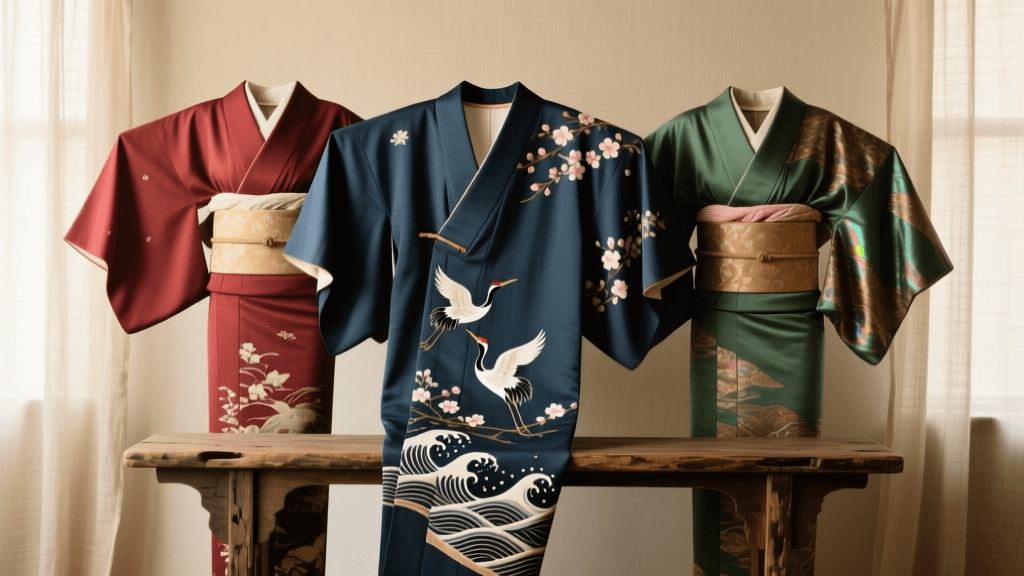
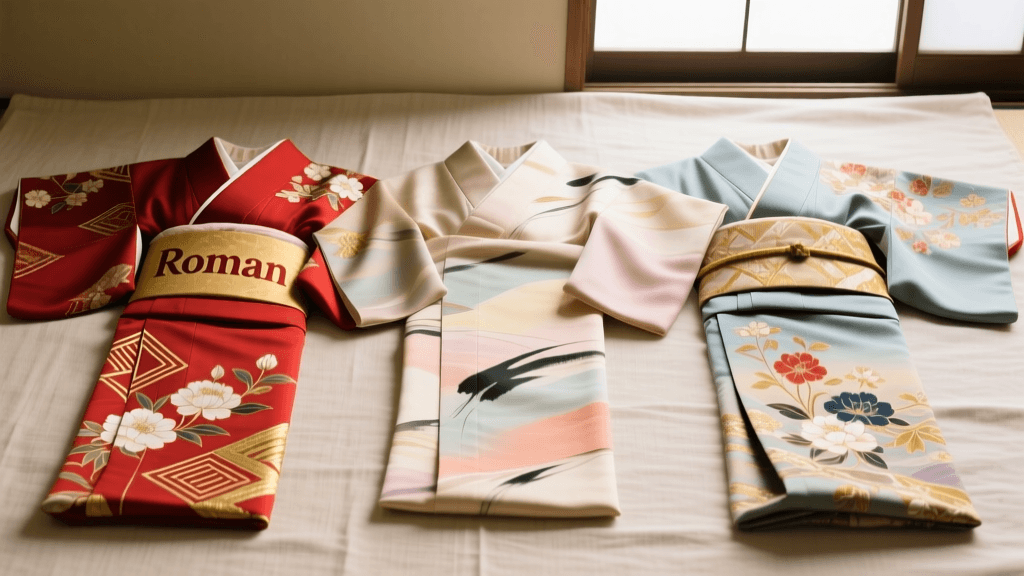
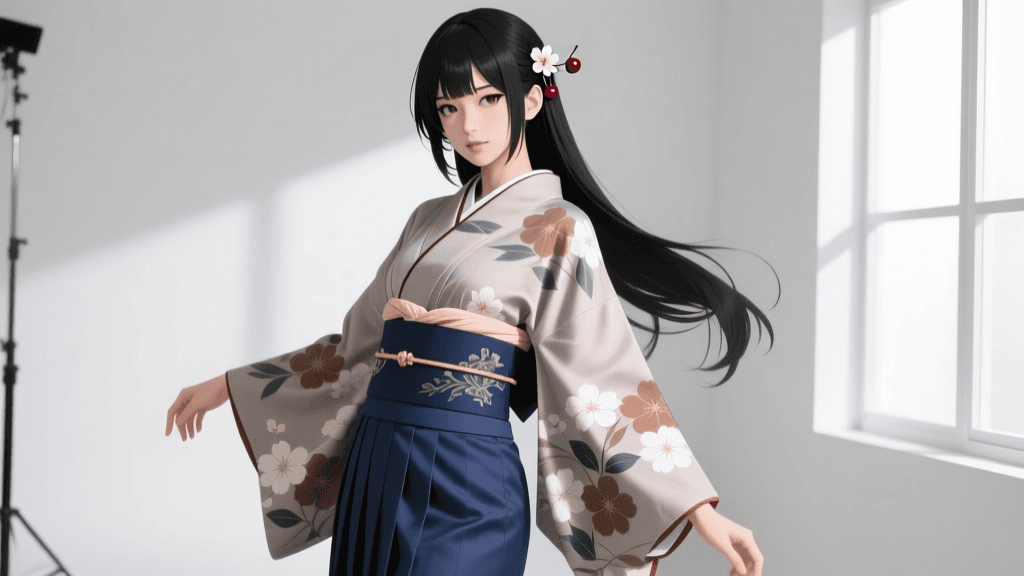
Sen no Rikyu's Legacy: Mastering Wabi-Sabi Tea Ceremony Kimono
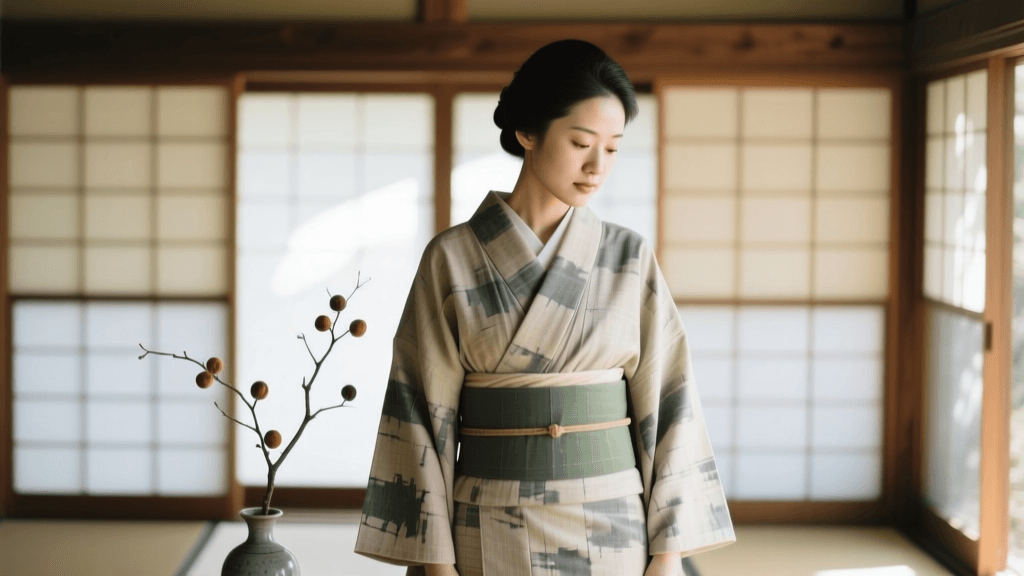
The Historical Icon: Sen no Rikyu and the Birth of Wabi-Cha
In the late 16th century, amidst the opulent and gold-drenched Azuchi-Momoyama period, one man dared to champion the beauty of the austere, the imperfect, and the profoundly simple. Sen no Rikyu (1522–1591) is universally revered as the historical figure who perfected the Japanese tea ceremony (chanoyu). While warlords like Oda Nobunaga and Toyotomi Hideyoshi flaunted their power through extravagant Nishijin brocades and lavish gold leaf, Rikyu introduced the philosophy of wabi-sabi—finding profound beauty in rustic simplicity and quiet elegance. As detailed by The Metropolitan Museum of Art, Rikyu's influence extended far beyond the tearoom; it fundamentally reshaped Japanese aesthetics, architecture, ceramics, and, crucially, traditional fashion.
Rikyu understood that clothing was a visual extension of one's inner state. To enter the tearoom wearing flashy, heavily embroidered silk was considered a distraction, an ego-driven display that disrupted the harmony (wa) of the gathering. Instead, he advocated for garments that reflected the natural world, embracing textured, unassuming fabrics that aged beautifully over time. This sartorial rebellion birthed a legacy of understated elegance that continues to dictate the strict dress codes of modern Japanese tea ceremonies today.
The Fashion Legacy: Understated Elegance in Japanese Textiles
The transition from courtly extravagance to merchant-class restraint during the subsequent Edo period was heavily influenced by Rikyu's teachings. According to the Metropolitan Museum of Art's Heilbrunn Timeline of Art History, the kimono served as a primary canvas for expressing social status and philosophical alignment. Under the wabi-sabi paradigm, luxury was no longer defined by the volume of gold thread, but by the rarity of the weave, the subtlety of the dye, and the mastery of the artisan.
For modern practitioners and enthusiasts of traditional Japanese clothing, honoring Rikyu’s legacy means mastering the art of subtlety. It requires a deep understanding of fabric textures, micro-patterns, and the rigid seasonal calendar that governs Japanese dress. The goal is to wear a kimono that appears modest from a distance, but reveals breathtaking artisanal craftsmanship upon closer inspection.
Practical Guide: Dressing for a Modern Tea Ceremony (Chaji)
When attending or hosting a formal tea gathering (chaji), selecting the appropriate kimono is a meticulous process. The wabi-sabi aesthetic favors matte finishes, slubbed textures, and monochromatic or micro-patterned designs. Here is a breakdown of the most appropriate kimono types for the tearoom, along with actionable purchasing and styling advice.
Selecting the Right Kimono Type and Fabric
- Tsumugi (Pongee Silk): The ultimate wabi-sabi fabric. Tsumugi is woven from silk noil, resulting in a textured, slubbed surface that resembles humble cotton or hemp but possesses the durability of silk. It is highly prized for its rustic charm.
- Edo Komon: A silk kimono dyed with micro-patterns so small that the garment appears solid-colored from a few feet away. For formal tea gatherings, seek out the traditional 'Three Patterns' (Same or sharkskin, Gyogi or dots, and Toshi or lines). When bearing a family crest (kamon), it elevates to formal wear.
- Iromuji: A solid-colored silk kimono, dyed in a single hue. It is the quintessential 'quiet luxury' garment for tea ceremonies. Opt for muted, nature-inspired tones like matcha green, slate grey, or faded plum.
Tea Ceremony Kimono Comparison Chart
| Kimono Type | Fabric & Texture | Pattern Scale | Estimated Cost (USD) | Best Season |
|---|---|---|---|---|
| Tsumugi | Slubbed silk (pongee) | Woven stripes/checks | $150 - $600 | Spring / Autumn |
| Edo Komon | Crepe silk (chirimen) | Micro-patterns (dots) | $800 - $3,500 | Year-round (with lining adjustments) |
| Iromuji | Monochromatic silk | None (solid color) | $400 - $1,200 | Year-round |
| Ro / Sha | Sheer woven silk | Subtle woven motifs | $300 - $900 | Summer (July - August) |
Accessories: Completing the Wabi-Sabi Ensemble
The kimono is only half the equation. The accessories must also adhere to Rikyu's philosophy of restraint.
- The Obi (Sash): Avoid loud, heavily embroidered modern Fukuro obi. Instead, choose a vintage Maru obi with muted metallic threads, or a textured Hakata-ori obi. The pattern should be subtle, perhaps featuring a woven geometric or nature motif that is only visible when the light catches it.
- Han-eri (Detachable Collar): The collar of the undergarment (juban) must be pristine. A crisp white silk han-eri is mandatory for formal tea ceremonies, symbolizing purity and cleanliness.
- Tabi and Zori: White cotton tabi (split-toe socks) are non-negotiable; they must be freshly laundered and stark white. The zori (sandals) should feature subdued covers, such as woven rush, tatami facing, or muted brocade, avoiding flashy vinyl or bright gold.
Measurements, Fit, and Tailoring Timelines
A kimono that does not fit correctly will ruin the elegant silhouette required for the tearoom. Unlike Western clothing, kimono are tailored to specific body metrics, primarily the mi-take (body length) and yuki (sleeve length).
- Calculating Mi-take: The ideal body length of the kimono should be approximately 90% of your total height (Height x 0.9). This allows for the ohashori, the essential waist fold that adjusts the hemline to the ankle.
- Calculating Yuki: Measure from the prominent vertebra at the base of your neck, across your shoulder, and down to your wrist bone. Standard vintage yuki is often 62-64cm, which may be too short for modern Western heights.
- Tailoring Costs and Timing: If purchasing a vintage Tsumugi kimono off-the-rack, budget $50-$150 for a professional tailor to let out the shoulder seams if the yuki is too short. Bespoke tailoring for a new Edo Komon kimono takes 12 to 16 weeks and costs between $2,500 and $5,000. Always order bespoke garments at least four months before your scheduled tea event.
Seasonality and the Rhythm of Nature
Wabi-sabi is deeply intertwined with the fleeting nature of the seasons. Wearing the correct fabric weight at the exact right time of year is a sign of respect for your host and guests. The Japanese kimono calendar is rigidly structured:
- October 1 to May 31: Awase (lined kimono). The silk is backed with a separate lining for warmth.
- June 1 to June 30: Hitoe (unlined kimono). The lining is removed as the humid rainy season begins.
- July 1 to August 31: Usumono (sheer kimono). Fabrics like Ro and Sha feature woven gaps that allow air to circulate, providing visual and physical coolness during the peak of summer.
- September 1 to September 30: Return to Hitoe (unlined) as the autumn breeze begins.
Furthermore, the motifs on your kimono must slightly precede the actual season. Wear cherry blossom motifs in late March before they bloom, and maple leaves in late October before they fully turn. Never wear a motif after the season has passed; in the wabi-sabi mindset, clinging to the past ignores the beauty of the present moment.
Sourcing and Caring for Wabi-Sabi Textiles
To build a wardrobe that honors Sen no Rikyu, look beyond modern department stores. The best wabi-sabi textiles are found in vintage kimono shops in Kyoto's Kawaramachi district or specialized antique dealers. When evaluating vintage silk, look for the patina of age—a slight softening of the colors and a gentle drape that only decades of careful wear can produce.
Proper care is essential to preserve these historical garments. Never hang silk kimono on standard wire or plastic hangers, as this will create permanent shoulder dimples and distort the grain. Use specialized wide-shouldered wooden hangers (emon-kake) only for short-term airing. For long-term storage, fold the kimono along its original seams and wrap it in acid-free tatou paper. Place natural camphor wood blocks (shounou) in the storage drawer to deter silverfish and pests without the harsh chemical odors that can permanently permeate the delicate silk fibers.
Conclusion
Sen no Rikyu’s fashion legacy is a masterclass in intentionality. By stripping away the superfluous and elevating the humble, he created a sartorial code that demands mindfulness from the wearer. Mastering the wabi-sabi tea ceremony kimono is not merely about following historical rules; it is about adopting a philosophy that values texture over flash, subtlety over spectacle, and a deep, reverent connection to the natural world. Whether you are investing in a bespoke Edo Komon or carefully restoring a vintage Tsumugi, you are participating in a living tradition that continues to define the pinnacle of Japanese aesthetic grace.
For further exploration of historical textiles and the broader context of Japanese dress, the Victoria and Albert Museum's Asian Collections provides extensive archives and visual resources that highlight the enduring global impact of Japan's traditional garment heritage.