Kimono Guide for Family Ceremonies 2026: Birth to Memorials
The Enduring Role of Kimono in Japanese Family Milestones
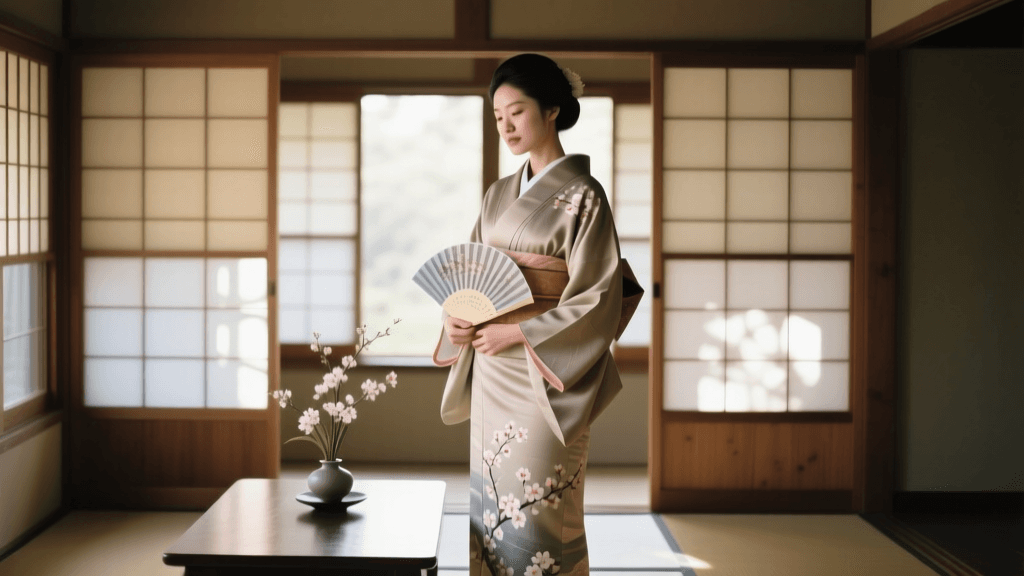
In Japan, the passage of time is marked not just by calendars, but by the garments worn during life’s most pivotal moments. As we navigate 2026, the kimono remains a profound symbol of continuity, respect, and familial love. While daily wear of traditional Japanese clothing has naturally declined, the ceremonial kimono thrives. Families today are blending deep-rooted traditions with modern 2026 sensibilities—prioritizing sustainable textile upcycling, utilizing AI-driven styling consultations, and adapting to shifting legal definitions of adulthood.
According to Japan Guide's comprehensive overview of traditional garments, the kimono is far more than clothing; it is a wearable archive of family history. From the first shrine visit of a newborn to the solemn memorials honoring ancestors, understanding the nuances of ceremonial dress is essential for both locals and international visitors participating in these intimate events. This guide explores the specific garments, modern adaptations, and practical considerations for Japanese family ceremonies in 2026.
Omiyamairi: Welcoming the Newborn
Omiyamairi is the traditional first shrine visit, typically occurring when a baby is around one month old. The purpose is to introduce the newborn to the local tutelary deity (ujigami) and pray for their health and protection. In 2026, while some urban families opt for modern white christening-style gowns, the traditional kimono ensemble remains highly popular, particularly for multi-generational photo sessions.
The baby is traditionally dressed in a white under-kimono (shiro-habugi) and wrapped in a special, often elaborately embroidered silk garment known as an omiyamairi kimono. These garments are frequently heirlooms, passed down through the paternal line. However, a major trend in 2026 is the use of professional "remake" services, where grandparents' vintage kimono are carefully disassembled, cleaned, and resized into modern omiyamairi wraps, preserving family crests (kamon) while ensuring the silk is sanitized and safe for infant skin.
The mother and grandmother accompanying the baby typically wear an iromuji (a solid-colored, unpatterned kimono with one to three family crests) or a subdued houmongi (visiting kimono). Because postpartum recovery and infant care are demanding, many families in 2026 rely on premium door-to-door kitsuke (dressing) services, where a certified professional arrives at the home to dress the women before the short trip to the shrine.
Shichi-Go-San: Celebrating Childhood Milestones
Held annually in November, Shichi-Go-San (Seven-Five-Three) celebrates the growth and well-being of children at the ages of three, five, and seven. This ceremony highlights a distinct shift in children's traditional wear.
- Age 3 (Boys and Girls): Children often wear a hifu, a padded silk vest, over their kimono. This creates a cute, rounded silhouette that is forgiving for toddlers who may be fussy during the shrine visit.
- Age 5 (Boys): Boys transition to wearing their first hakama (pleated trousers) over a kimono, often adorned with a haori jacket featuring the family crest. This symbolizes their first step into societal roles.
- Age 7 (Girls): Girls graduate from the simple cords used to tie toddler kimono to the traditional obi sash, mirroring the dressing style of adult women.
In 2026, rental studios near major shrines like Tokyo's Meiji Jingu or Kyoto's Heian Jingu offer "quick-change" packages. These utilize modern, pre-tied tsuke-obi and adjustable, machine-washable synthetic blends that mimic the look of heavy silk crepe (chirimen) but are far easier to clean if a child spills juice or drops candy.
Seijin Shiki and the "20-Year-Old Gathering" in 2026
The Coming-of-Age Ceremony (Seijin Shiki) is perhaps the most visually spectacular of Japan's family milestones. Following the 2022 revision of Japan's Civil Code, which lowered the legal age of adulthood to 18, there was initial confusion regarding the future of this ceremony. However, by 2026, a definitive cultural consensus has emerged: municipalities and families overwhelmingly celebrate the Hatachi no Tsudoi (Gathering of 20-Year-Olds) rather than at 18. This is largely because 18-year-olds are typically engrossed in high-stakes university entrance exams, whereas 20 remains the ideal age for celebrating with peers and wearing the iconic furisode.
The furisode is a highly formal kimono characterized by its long, flowing sleeves, worn exclusively by unmarried young women. As noted by the Metropolitan Museum of Art's Heilbrunn Timeline of Art History, the length of the sleeve historically correlated with the depth of emotion and formality of the occasion. Today, the ofurisode (with sleeves exceeding 114cm) is the gold standard for Coming-of-Age.
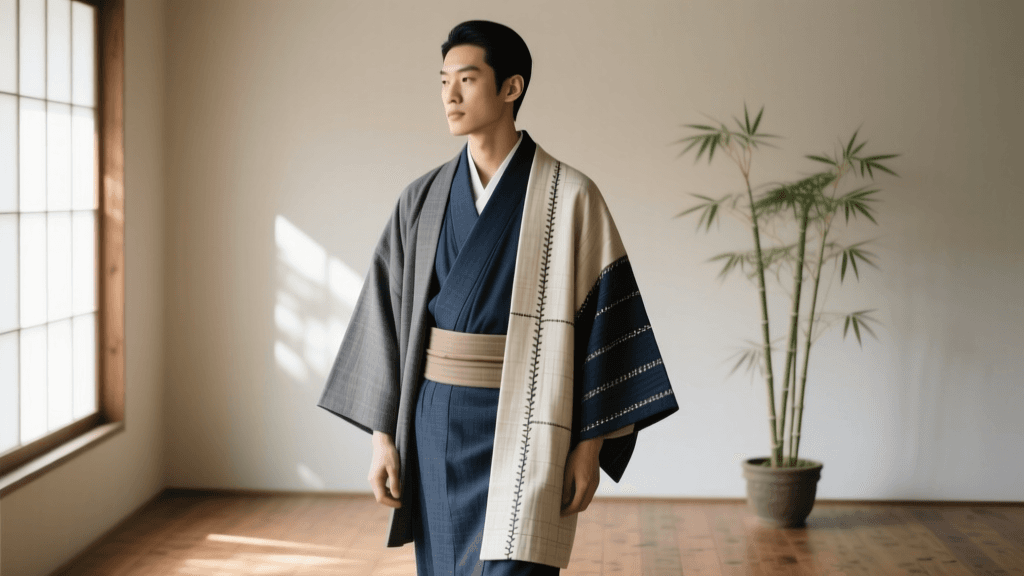
For young men, the traditional choice is a dark, crested kimono paired with a striped hakama and a formal haori jacket. However, 2026 data shows that over 70% of young men now opt for Western business suits for this event, leaving the furisode as the undisputed centerpiece of the ceremony's visual culture. To combat the high cost of purchasing a new silk furisode (which can easily exceed 500,000 JPY), the 2026 market is dominated by all-inclusive rental packages that include the garment, dressing services, hair and makeup, and professional photography.
Memorials, Funerals, and Obon
While birth and coming-of-age are joyous, the kimono also plays a vital role in mourning and honoring the deceased. Japanese funeral attire is governed by strict rules of etiquette, fabric, and color.
For immediate family members attending a funeral (ososhiki), the required garment is the mofuku. This is a solid black kimono featuring five family crests, worn with a black obi, black obijime (cord), and black zori sandals. The silk used for mofuku must be entirely matte—typically a high-quality matte crepe—to avoid any reflective shine, which is considered disrespectful in a mourning context.
As time passes, the strictness of the attire relaxes. During the 3rd, 7th, and 13th anniversary memorials (hoyo), family members transition away from solid black. In 2026, the standard for these later memorials is the iromuji in subdued, cool tones such as navy blue, charcoal grey, or deep plum, featuring one to three family crests. The obi shifts to a subtle silver or dark purple, allowing the family to honor their ancestors with dignity while signaling their gradual return to daily societal life. During the summer Obon festival, when ancestral spirits are believed to return home, women often wear lightweight, breathable ro or sha summer silks in dark, respectful patterns.
2026 Sourcing: Rentals, Remakes, and AI Styling
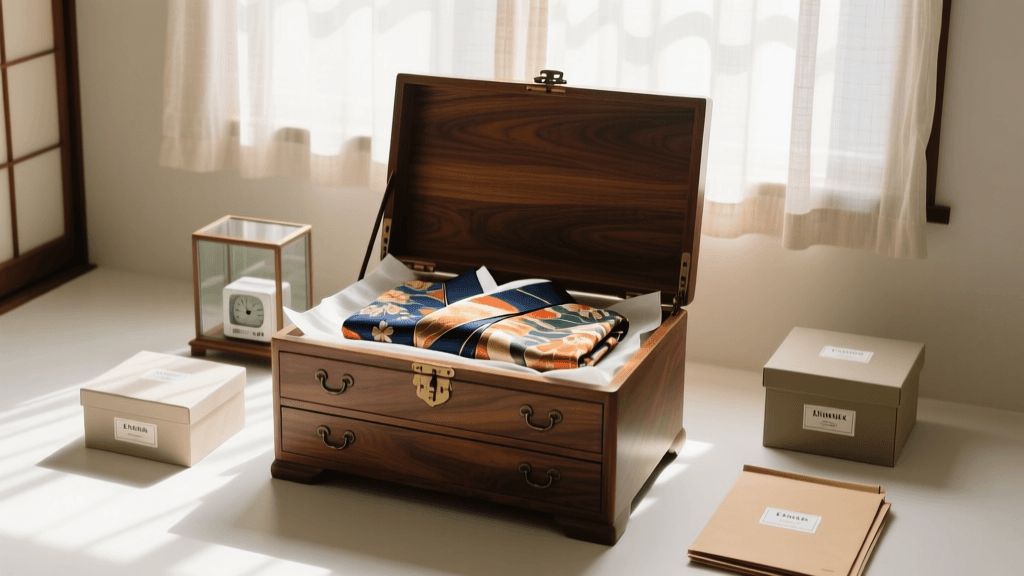
Acquiring ceremonial kimono in 2026 is a blend of high-tech convenience and deep artisanal respect. The traditional model of buying expensive silk garments that sit in a cedar chest for decades is being replaced by circular fashion models. Below is a breakdown of the current market for family ceremony garments.
| Ceremony | Primary Garment | 2026 Rental Cost (JPY) | 2026 Purchase / Remake (JPY) | Lead Time |
|---|---|---|---|---|
| Omiyamairi | Baby Wrap / Iromuji | 15,000 - 30,000 | 80,000 (Remake from vintage) | 2-4 Weeks |
| Shichi-Go-San | Hifu / Hakama Set | 10,000 - 25,000 | 60,000 - 120,000 | 1-2 Weeks |
| Seijin Shiki | Furisode (Full Set) | 80,000 - 250,000 | 400,000 - 1,500,000+ | 3-6 Months (Custom) |
| Memorials | Mofuku / Iromuji | 20,000 - 40,000 | 150,000 - 300,000 | 1-2 Months |
A defining trend of 2026 is the use of AI-driven virtual try-on apps provided by major department stores like Mitsukoshi and Isetan. Families can upload their photos and body measurements to see how different vintage furisode or iromuji will look, complete with various obi knots and collar styles, before committing to a physical fitting or a costly textile remake.
Practical Tips for the Modern Ceremony
If you are planning to wear or dress a family member in a kimono for a ceremony in 2026, keep these practical considerations in mind:
- Climate Adaptation: With Japan's summers growing increasingly hot and humid, summer ceremonies (like Obon or late-summer shrine visits) require specialized garments. Ensure you request ro (leno weave) or sha (gauze) silks, which are highly breathable. Many modern rental shops now include cooling undergarments (juban) made from advanced moisture-wicking synthetic fibers.
- Booking Kitsuke Early: Certified kimono dressers are in high demand, especially on the second Monday of January (Coming-of-Age Day) and throughout November (Shichi-Go-San). Book your dressing appointment at least three months in advance.
- Footwear Sizing: Traditional zori and geta are meant to be worn slightly small, with the heel overhanging the back by about a centimeter. However, for families walking long distances at large shrines, 2026 rentals often offer modernized, ergonomically cushioned soles to prevent blisters.
- Handling Heirlooms: If you plan to wear a grandmother's kimono, have it inspected by a professional cleaner (kimono arai) at least two months prior. Vintage silk can develop hidden stains that oxidize and turn brown when exposed to the heat and body oils of a long ceremony day.
Ultimately, whether sourced from a high-tech rental boutique in Shibuya or carefully remade from a century-old family heirloom in Kyoto, the ceremonial kimono in 2026 continues to serve as a beautiful, tactile bridge between Japan's ancestral past and its evolving future.